
Request Your Free Window Quote
Simply fill in your details for your free, no obligation quotation
Q1. What is a flush window and how is it different from a standard casement?
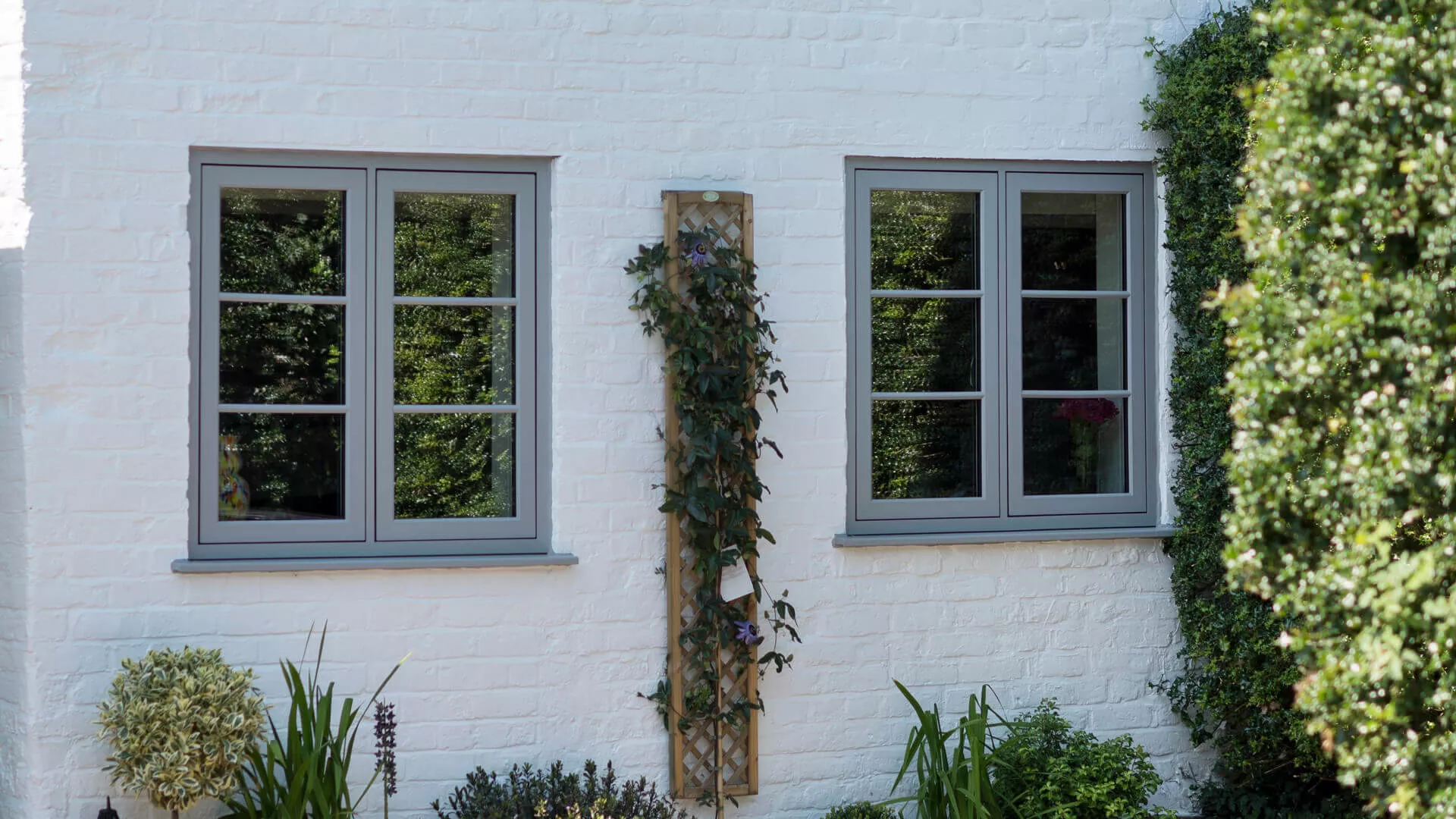
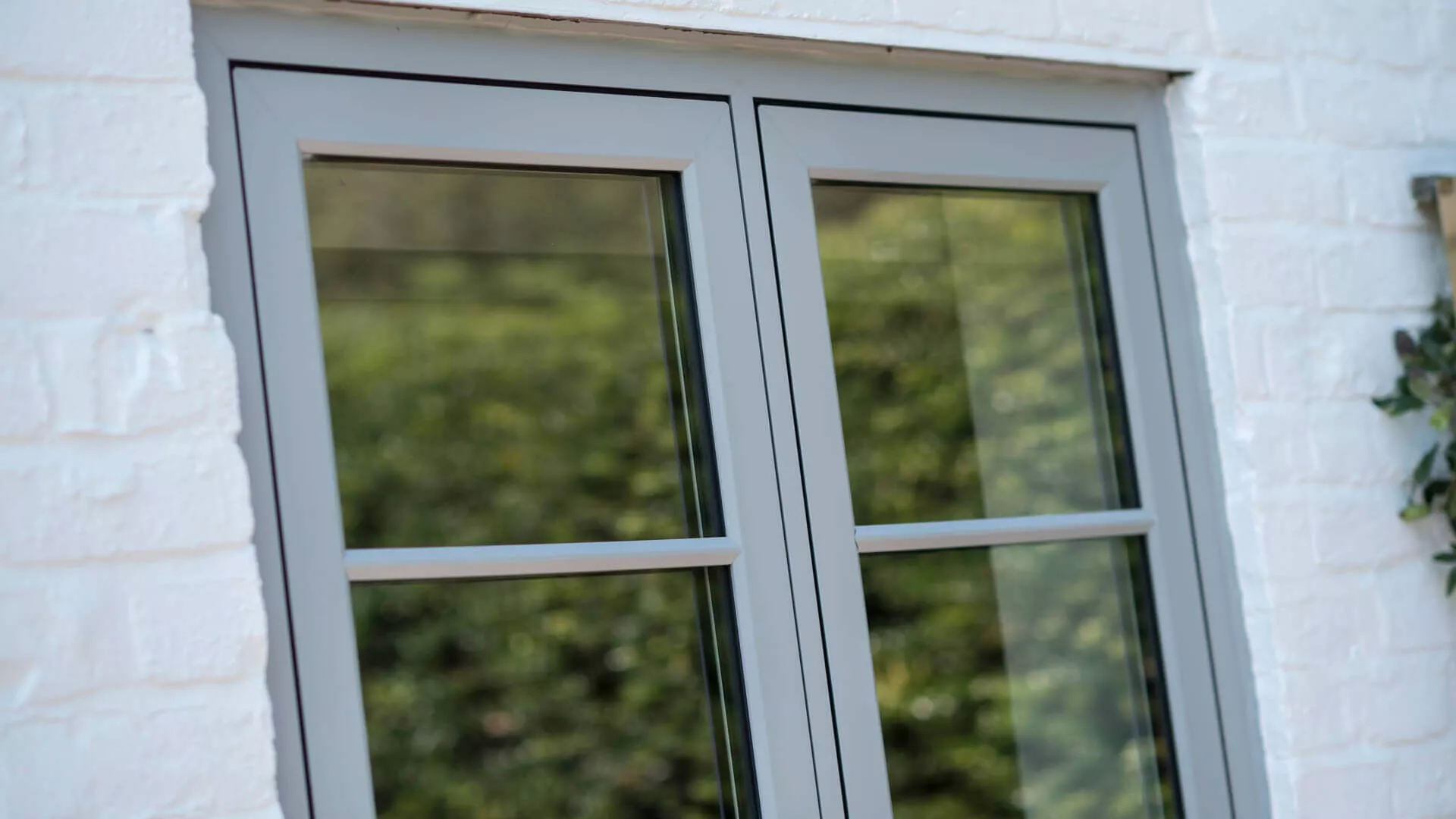
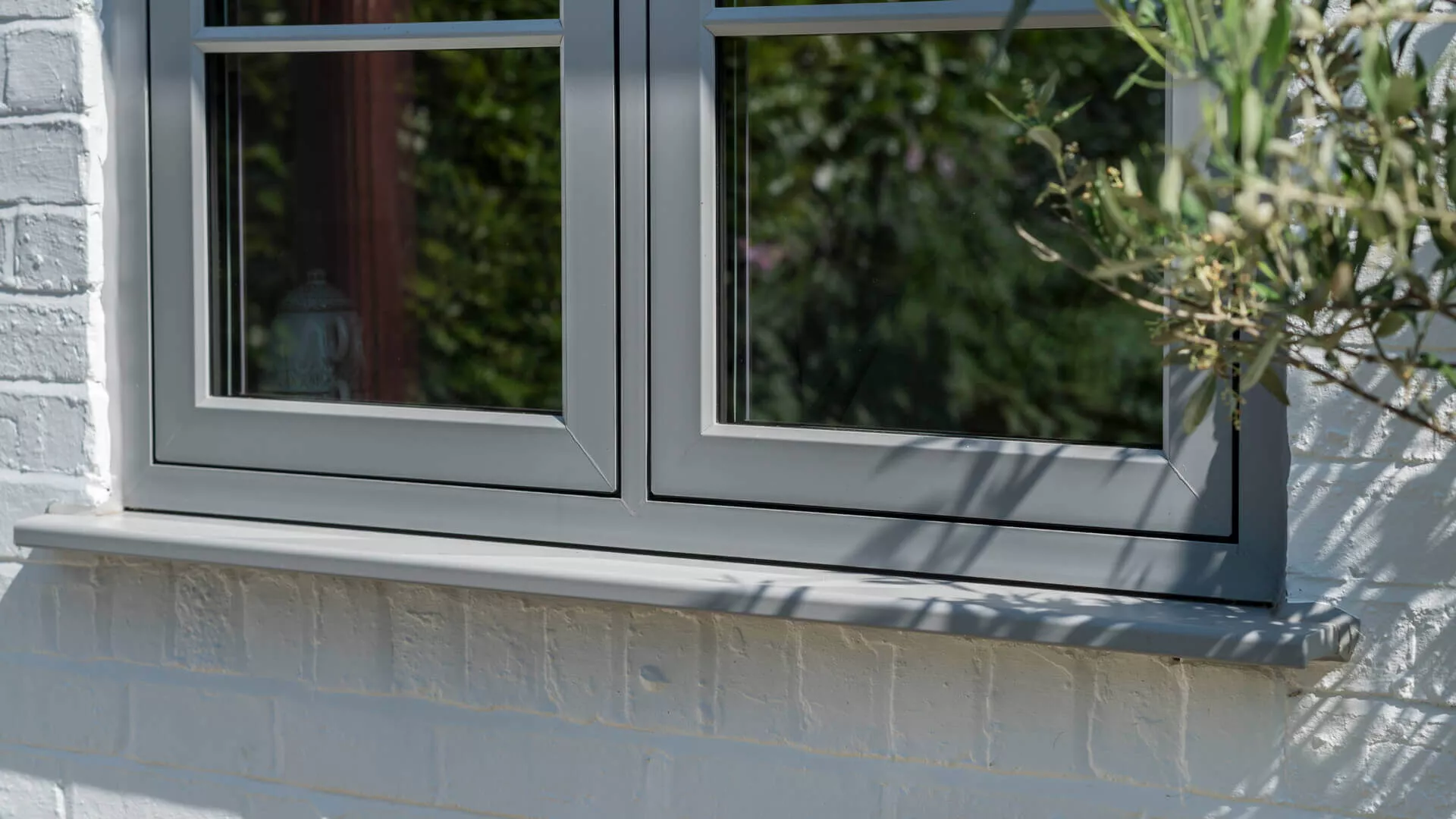
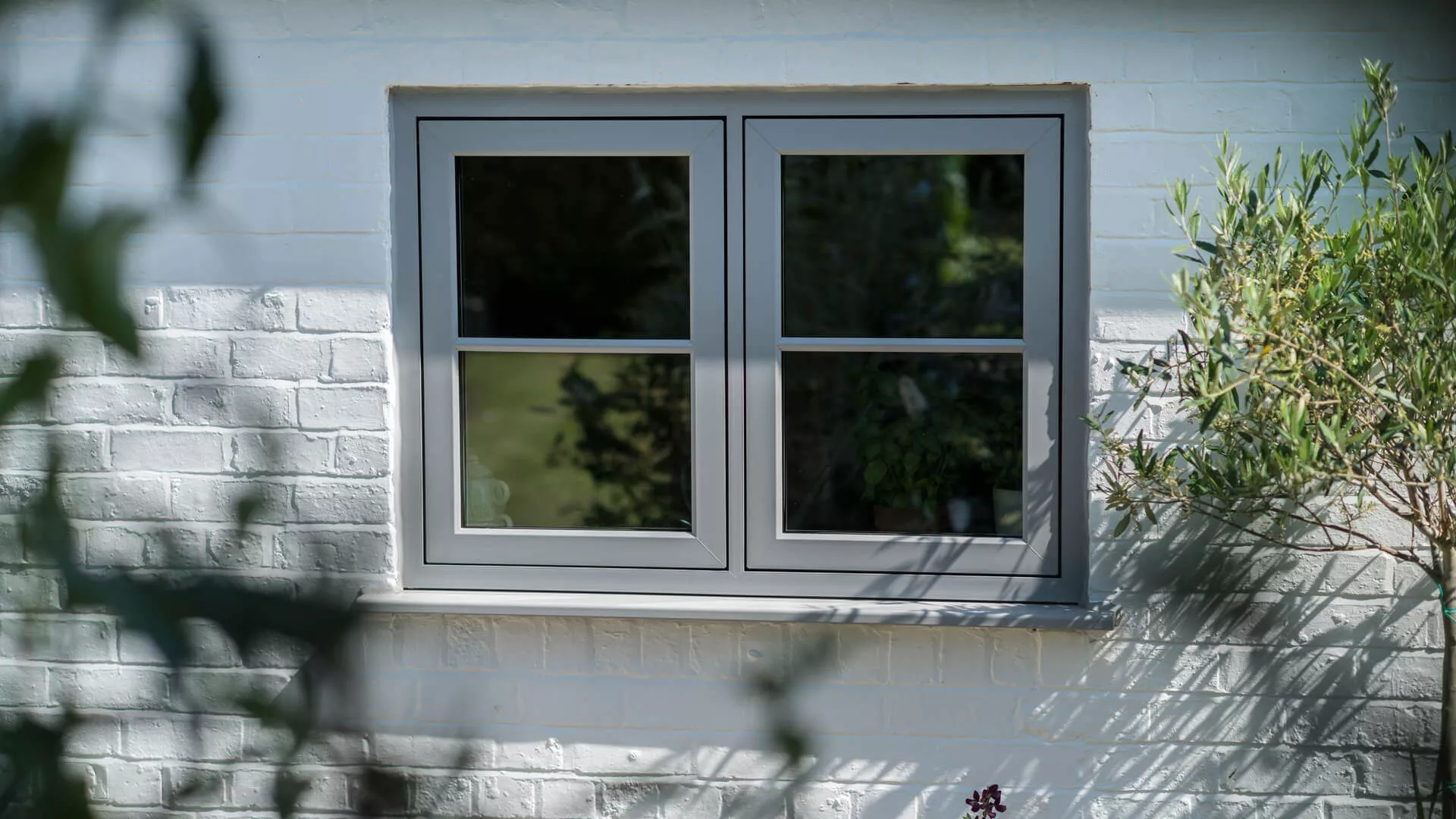
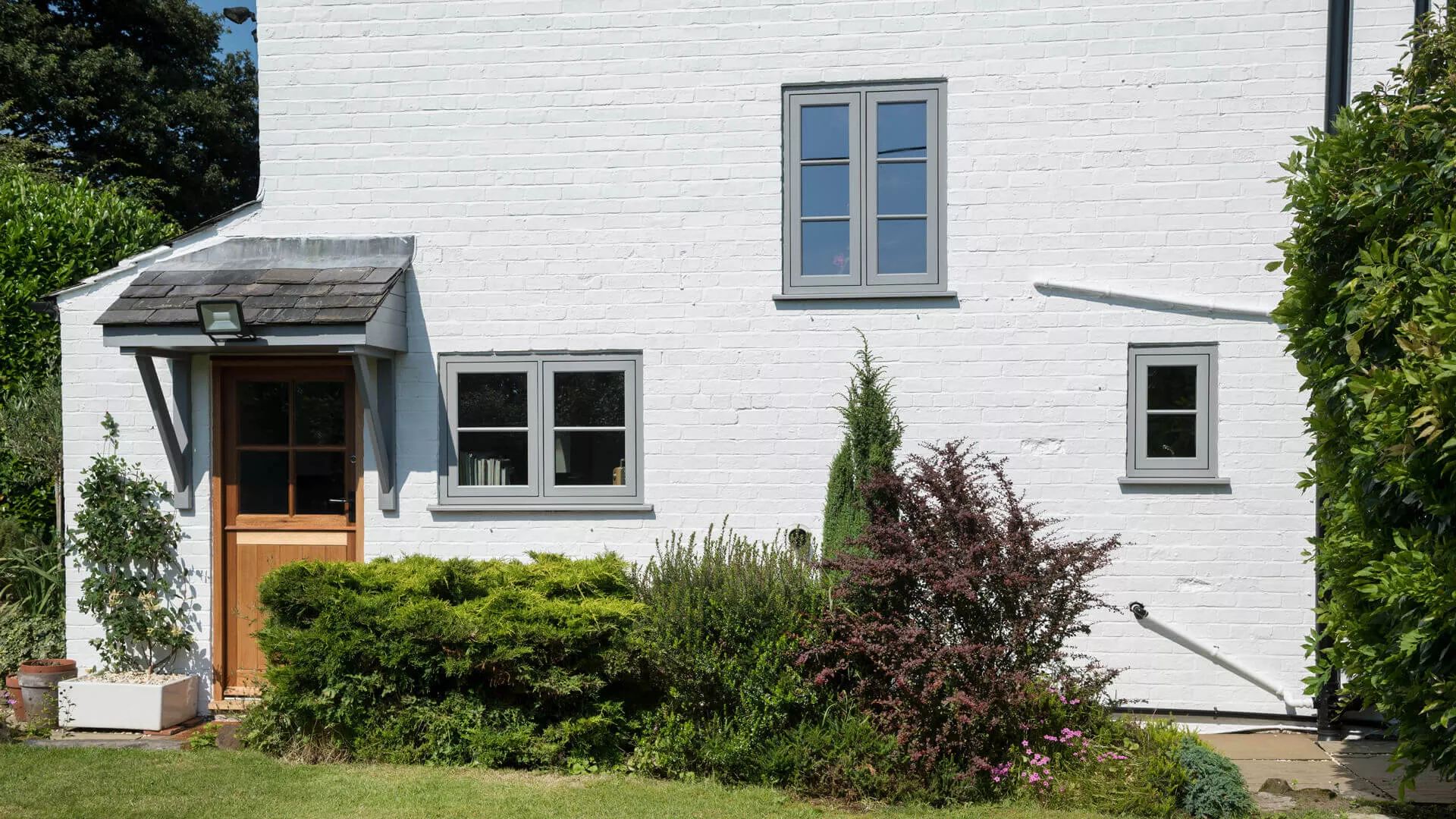
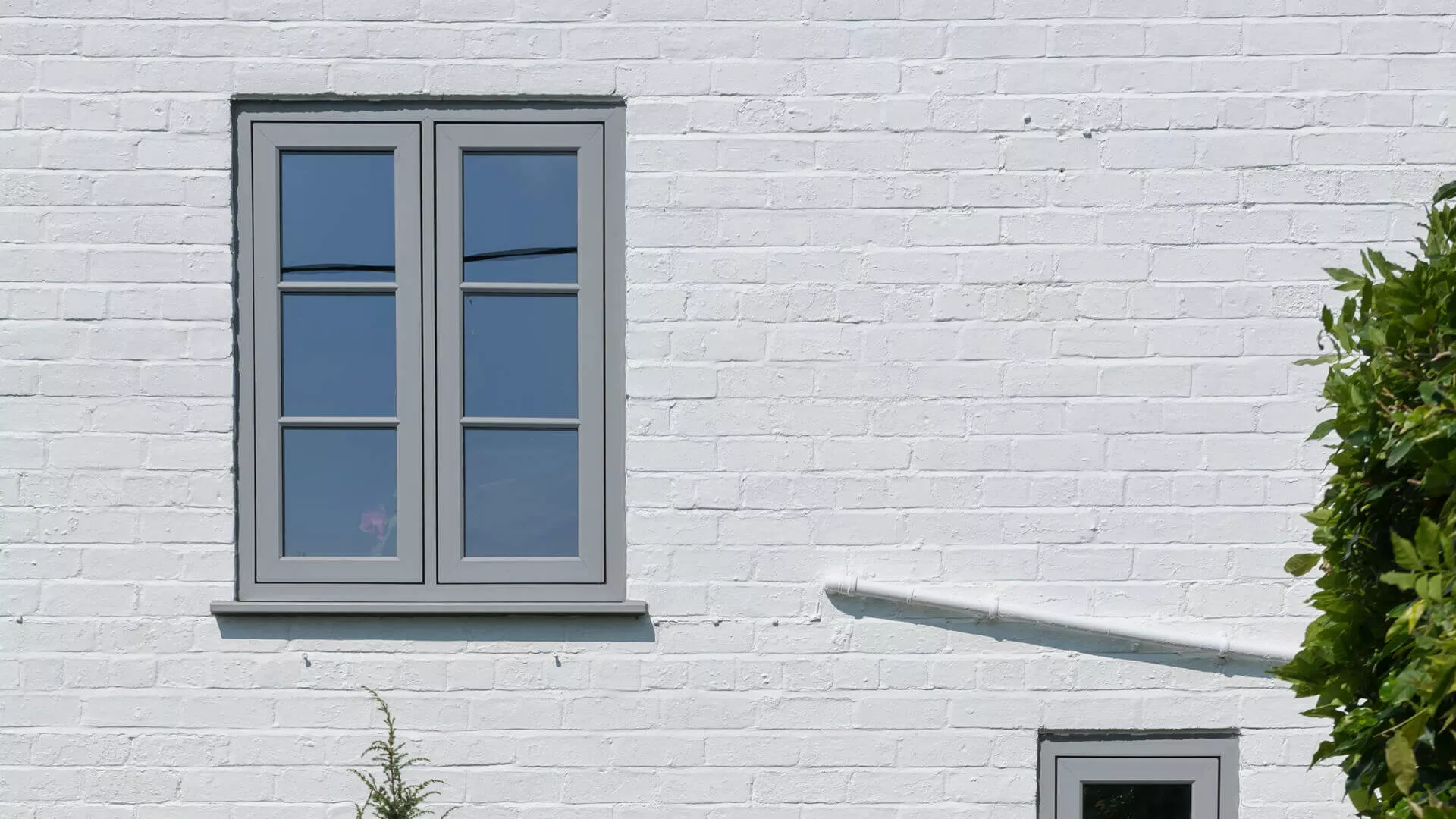
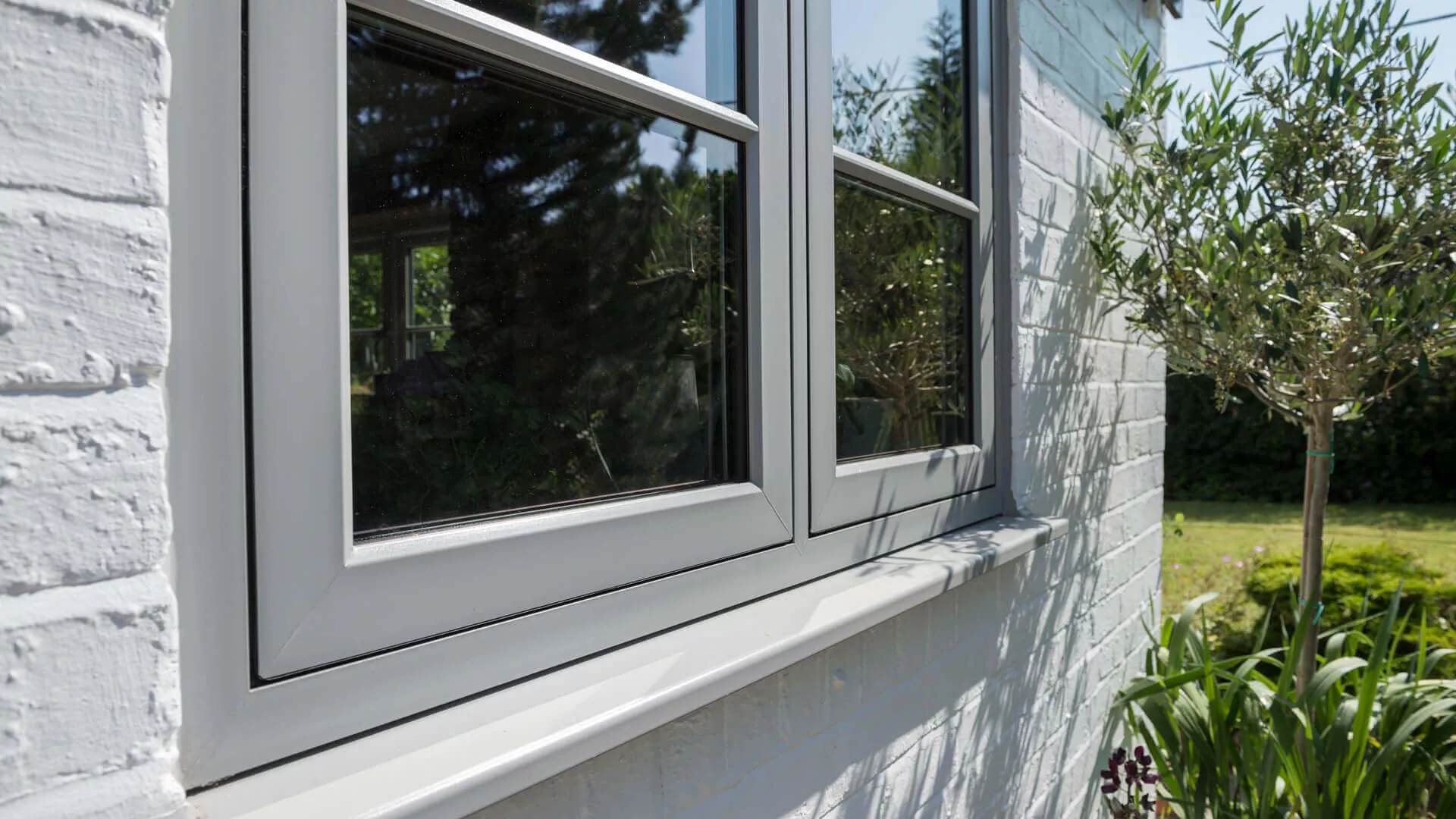
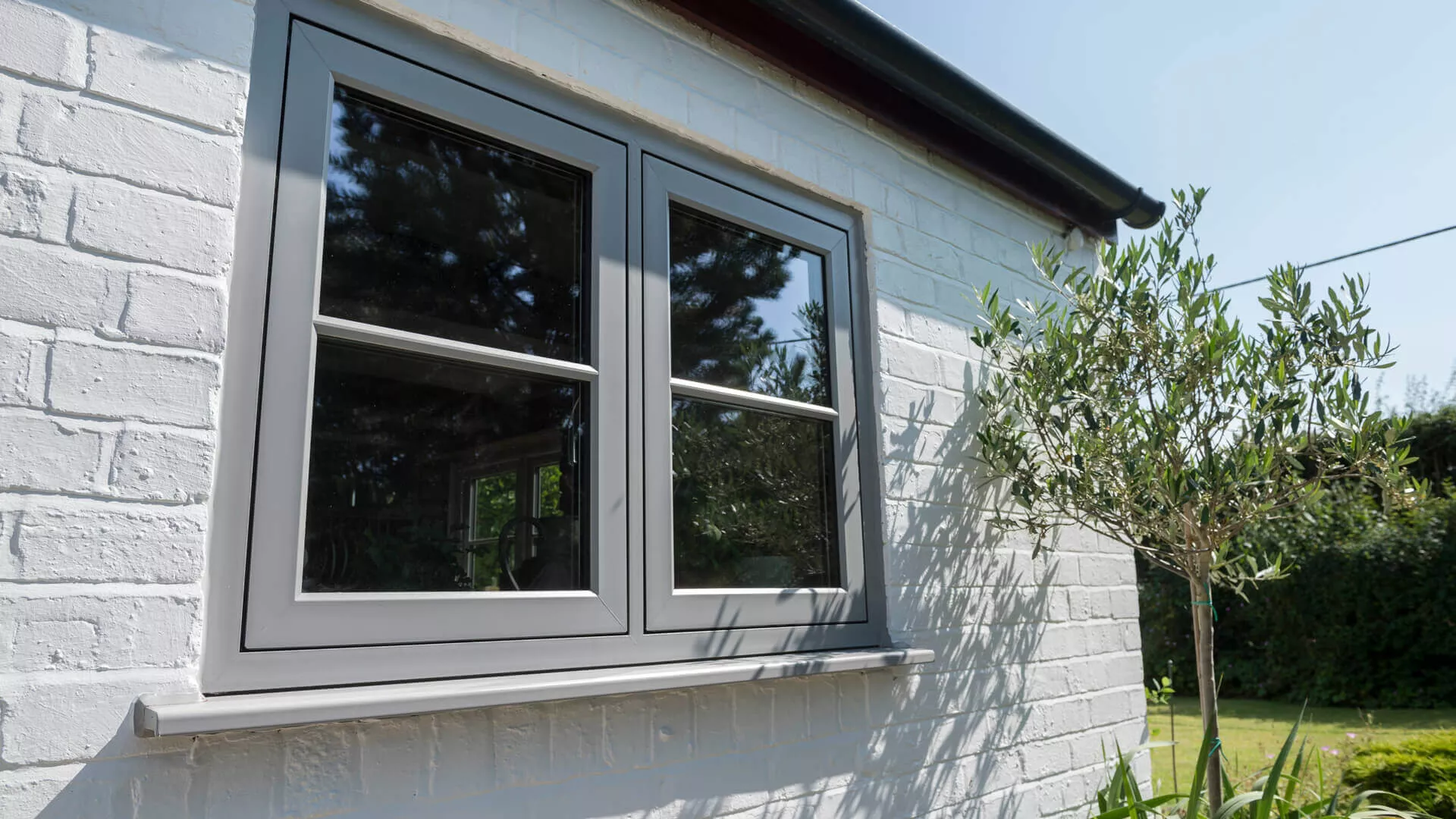
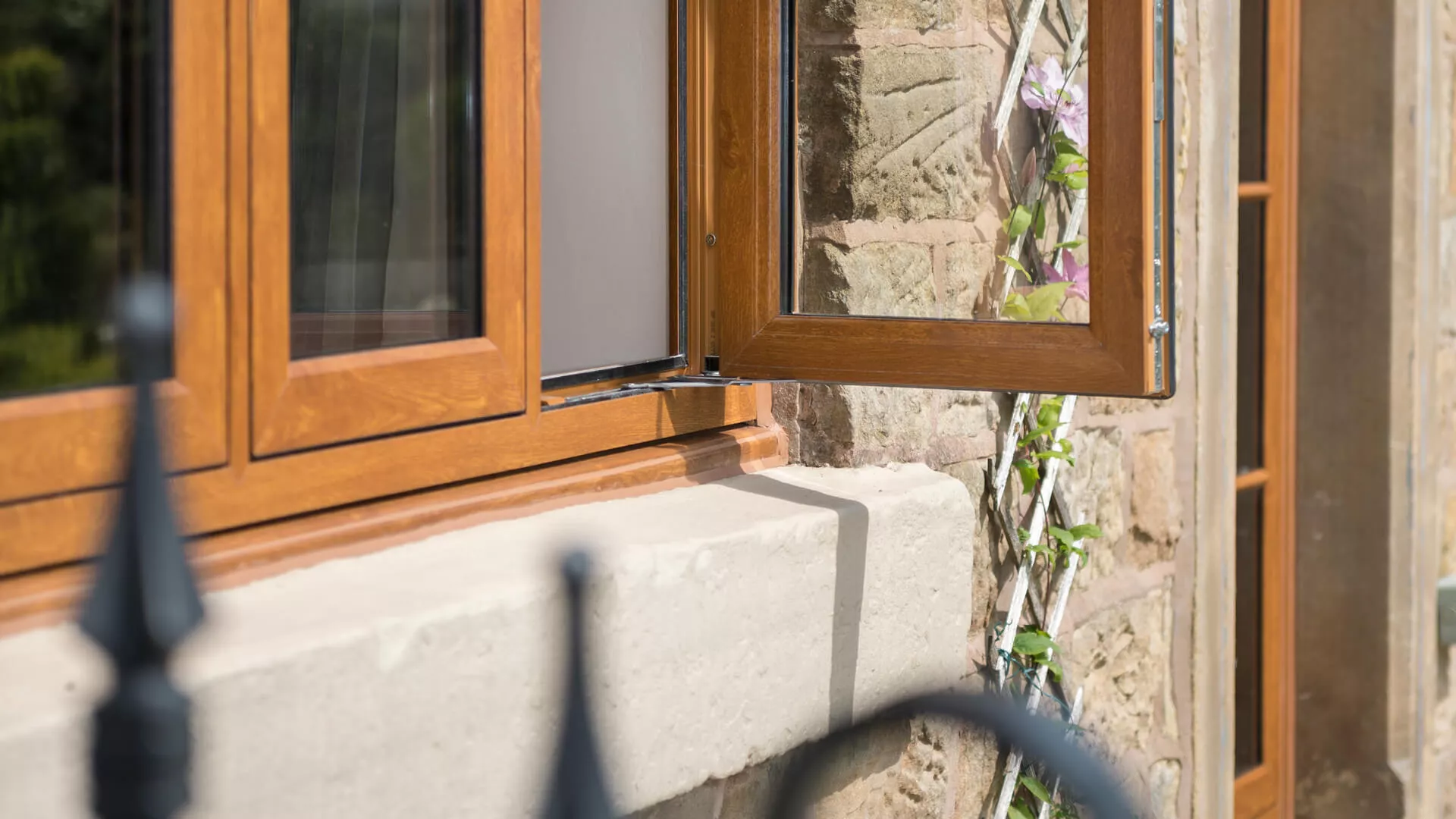
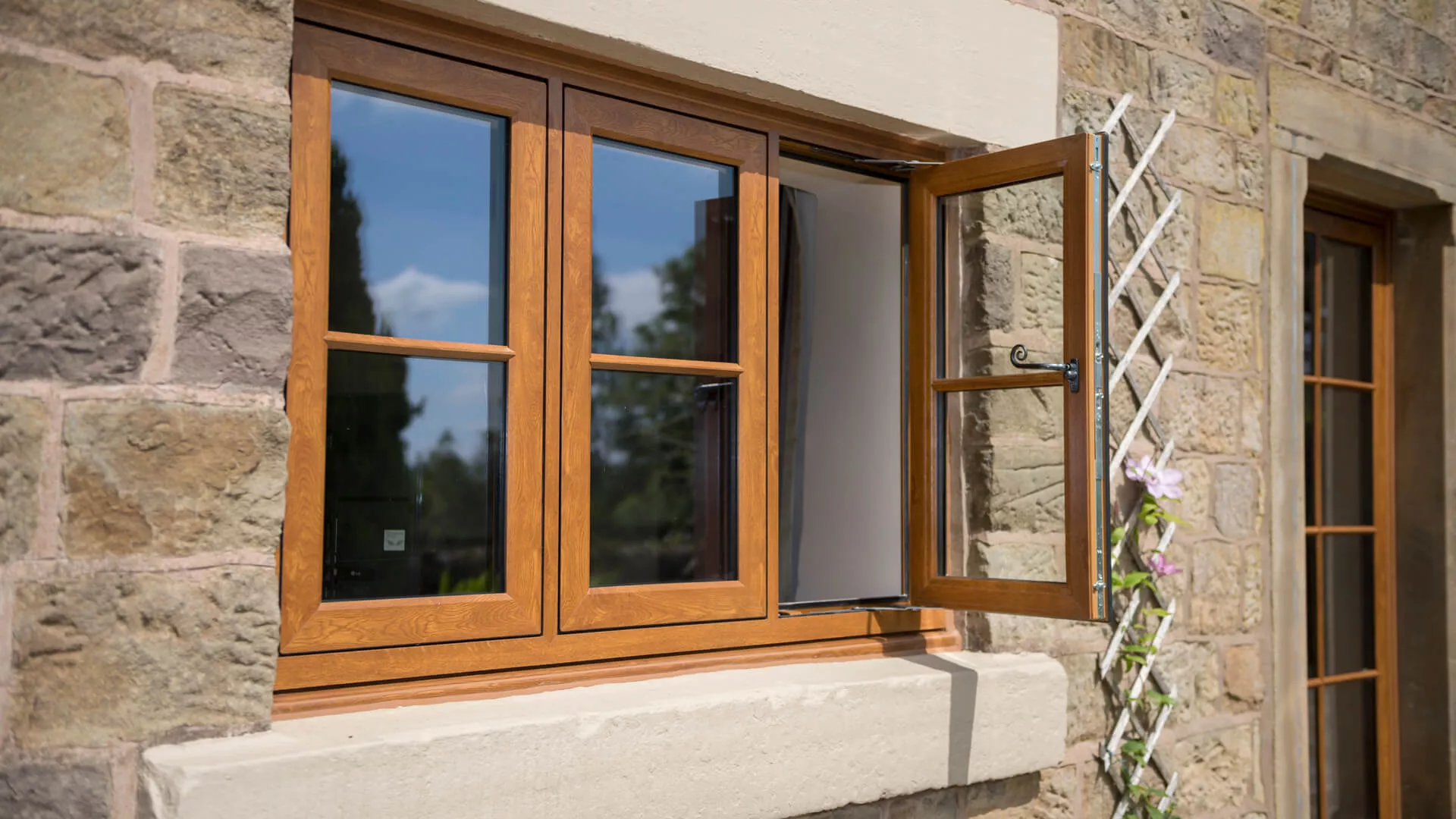
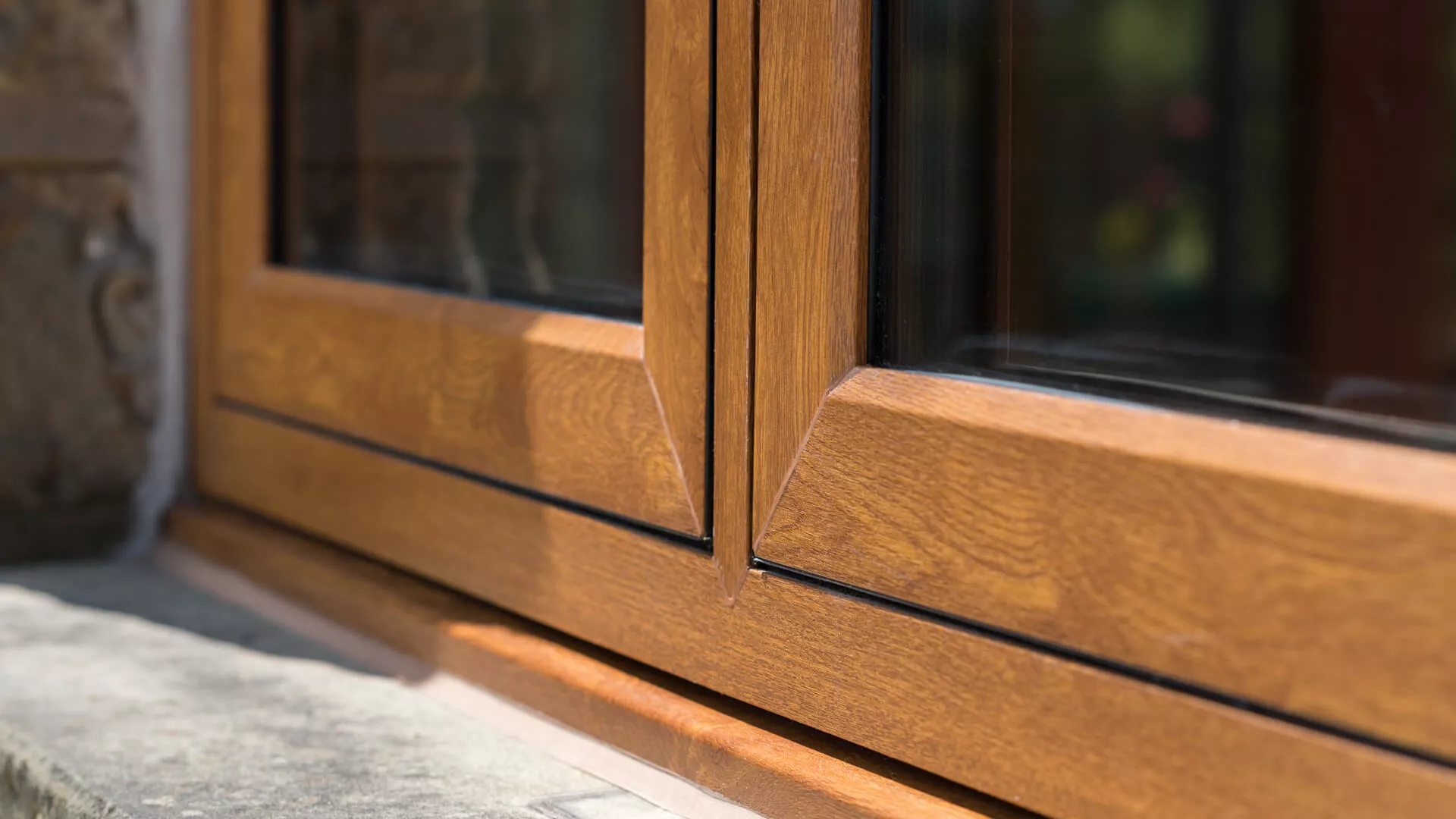
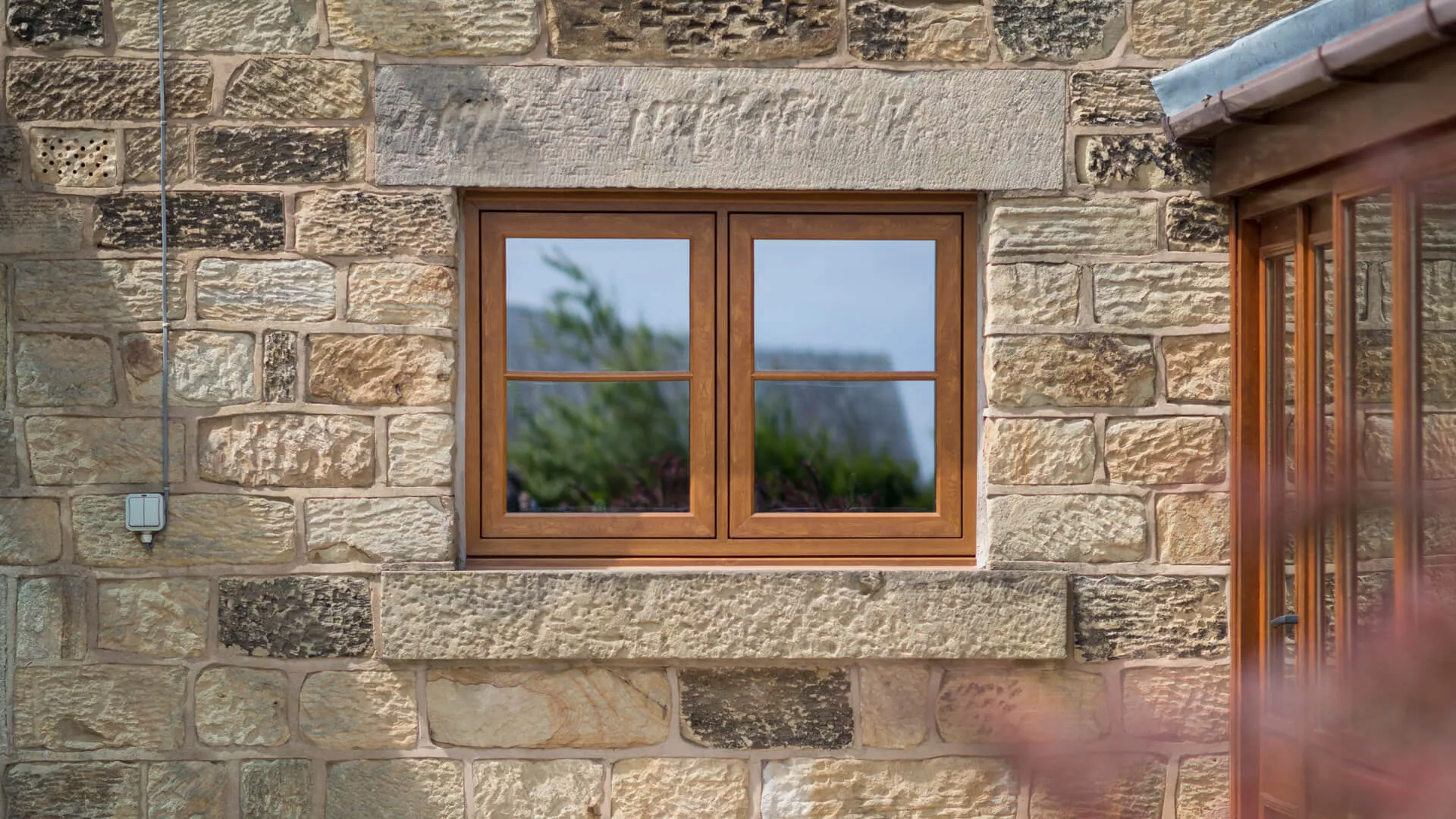
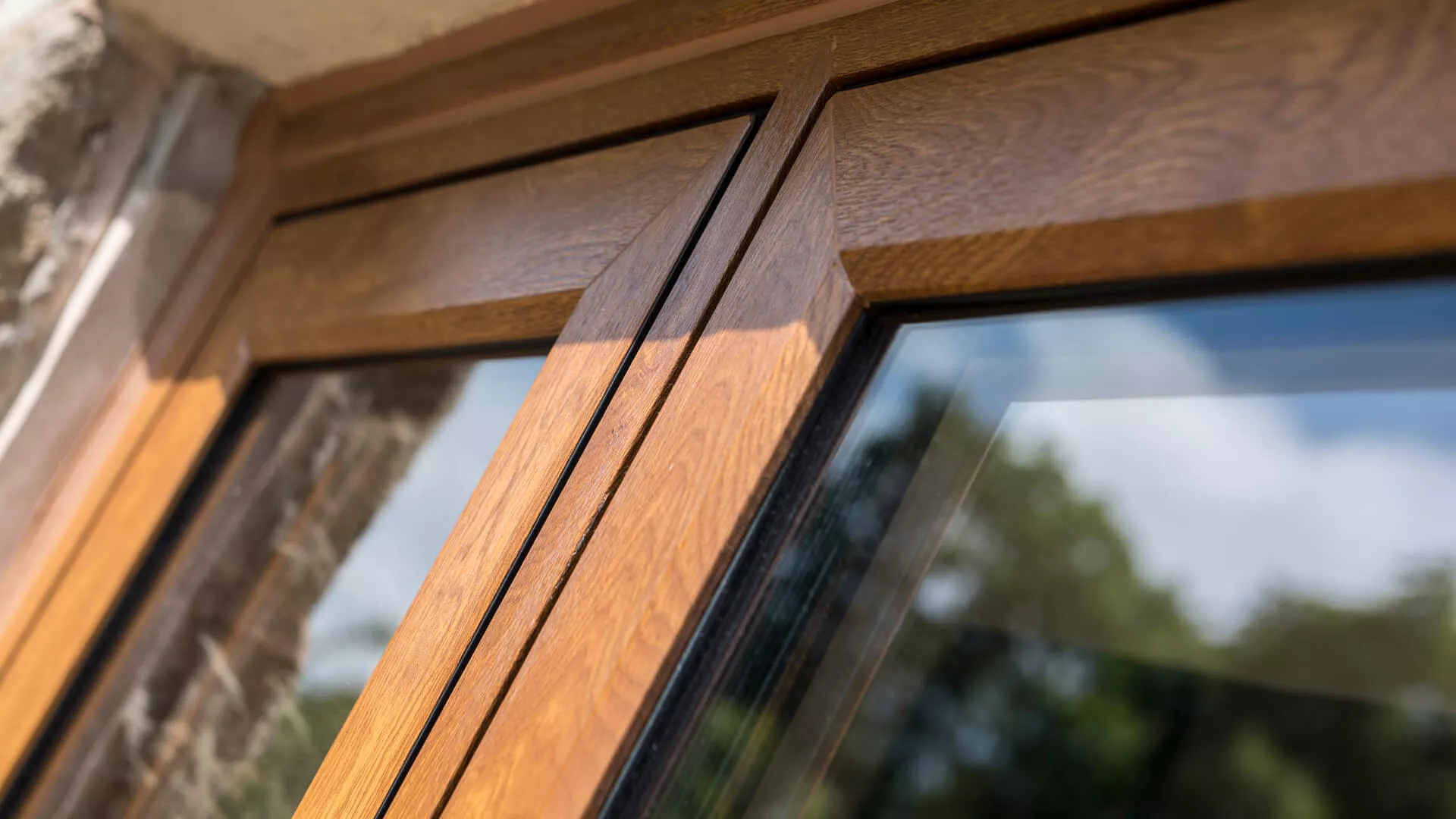
A flush window’s sash section (the bit that moves) sits perfectly level within a frame when the design is closed, creating a flawlessly flat appearance. By contrast, standard casement windows contain a sash that outwardly protrudes from its frame.
Q2: Is uPVC or aluminium the best material for flush windows?
UPVC tends to be chosen when a homeowner wants an affordable solution that insulates impressively and is low maintenance. Aluminium is more expensive, but you get added robustness, slimmer profiles and a larger glazed expanse.
Q3: How energy-efficient is a flush window, and what U-value can it realise?
Flush windows occupied with double glazing and well-sealed manage to achieve excellent thermal efficiency levels. Flush double glazing windows have a typical U-value of around 1.2–1.4 W/m²K, but some are capable of accomplishing U-values as low as 0.8 W/m²K.
Q4: Can you fit flush windows in listed buildings and conservation areas?
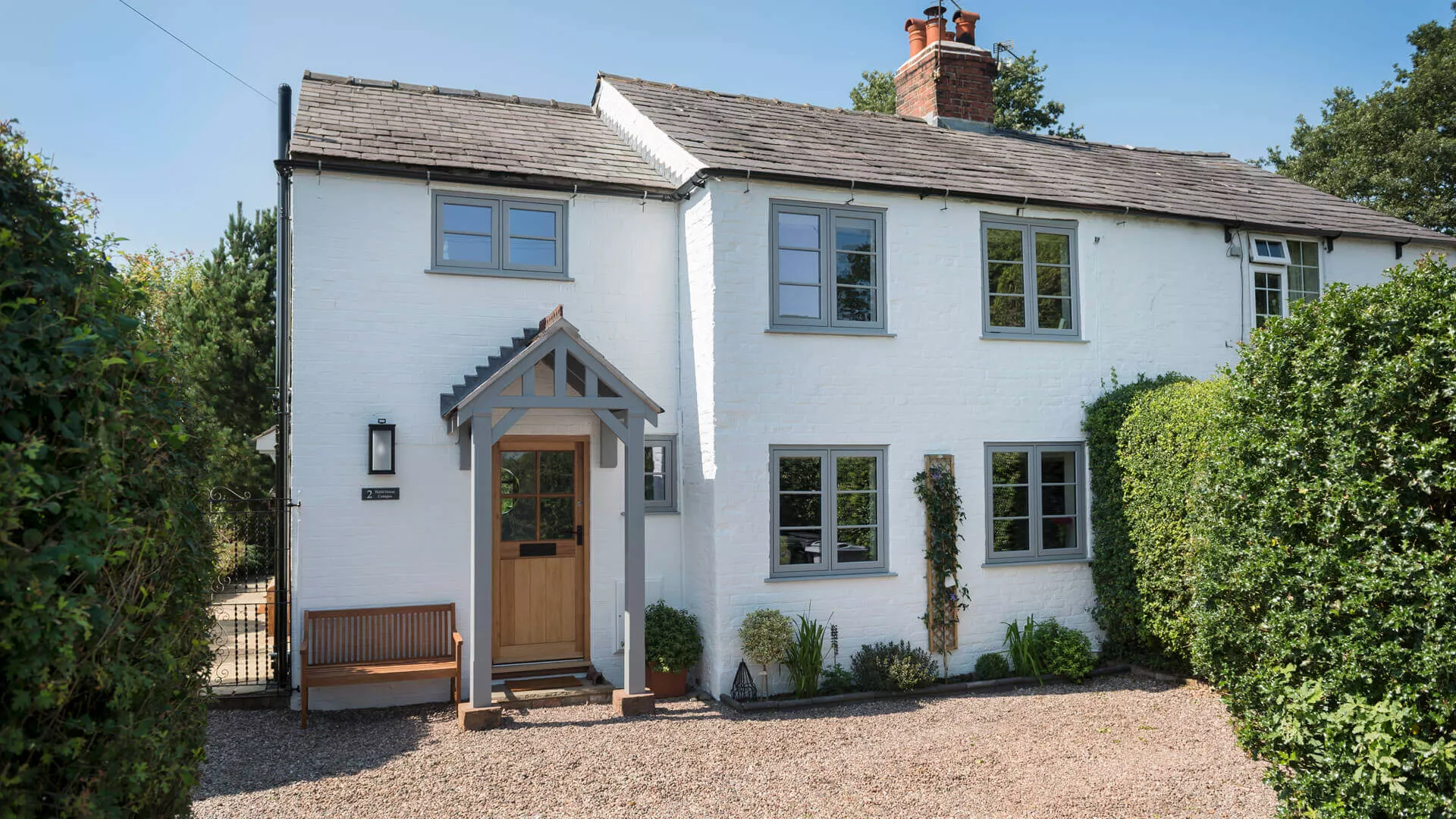
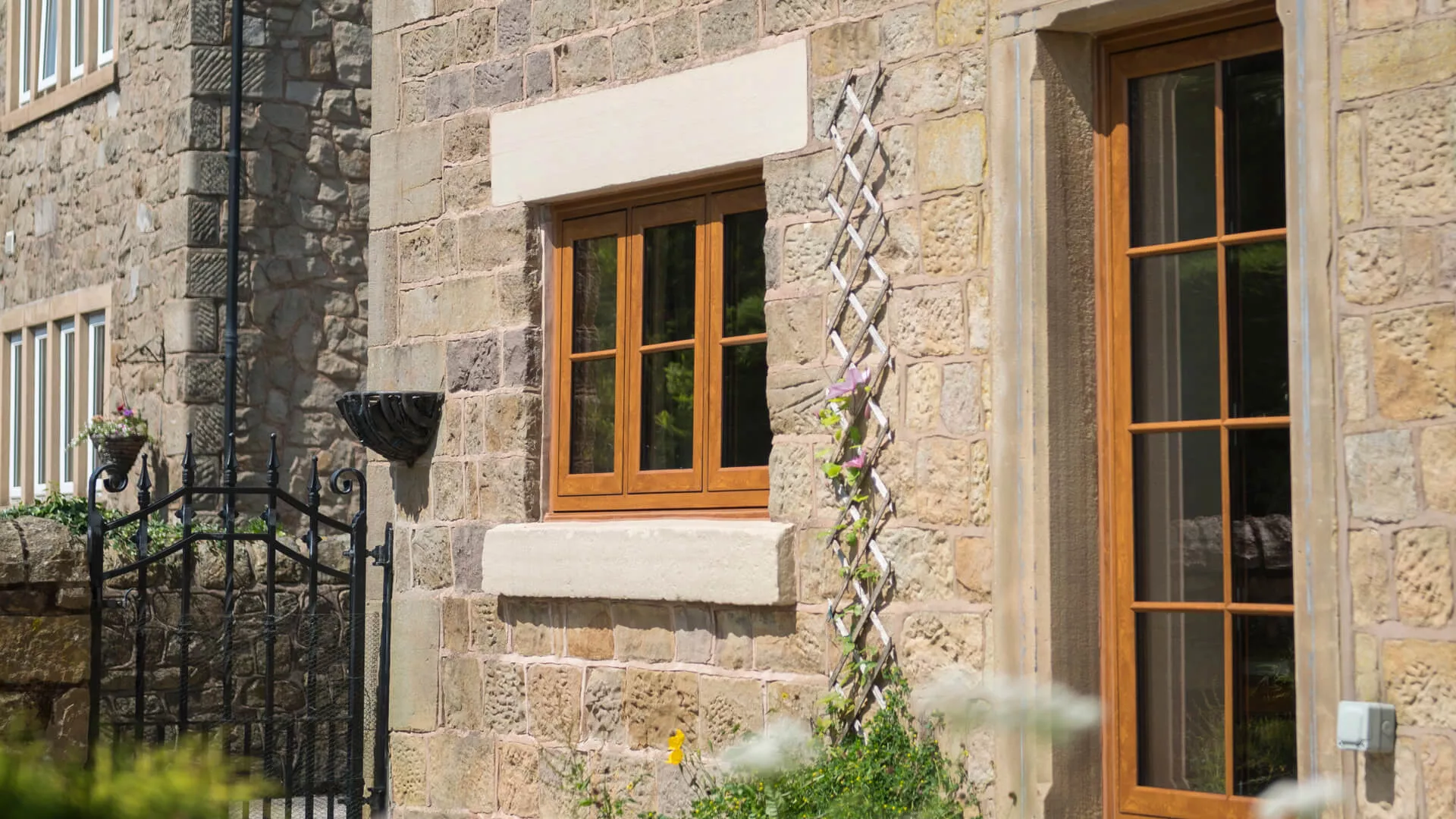
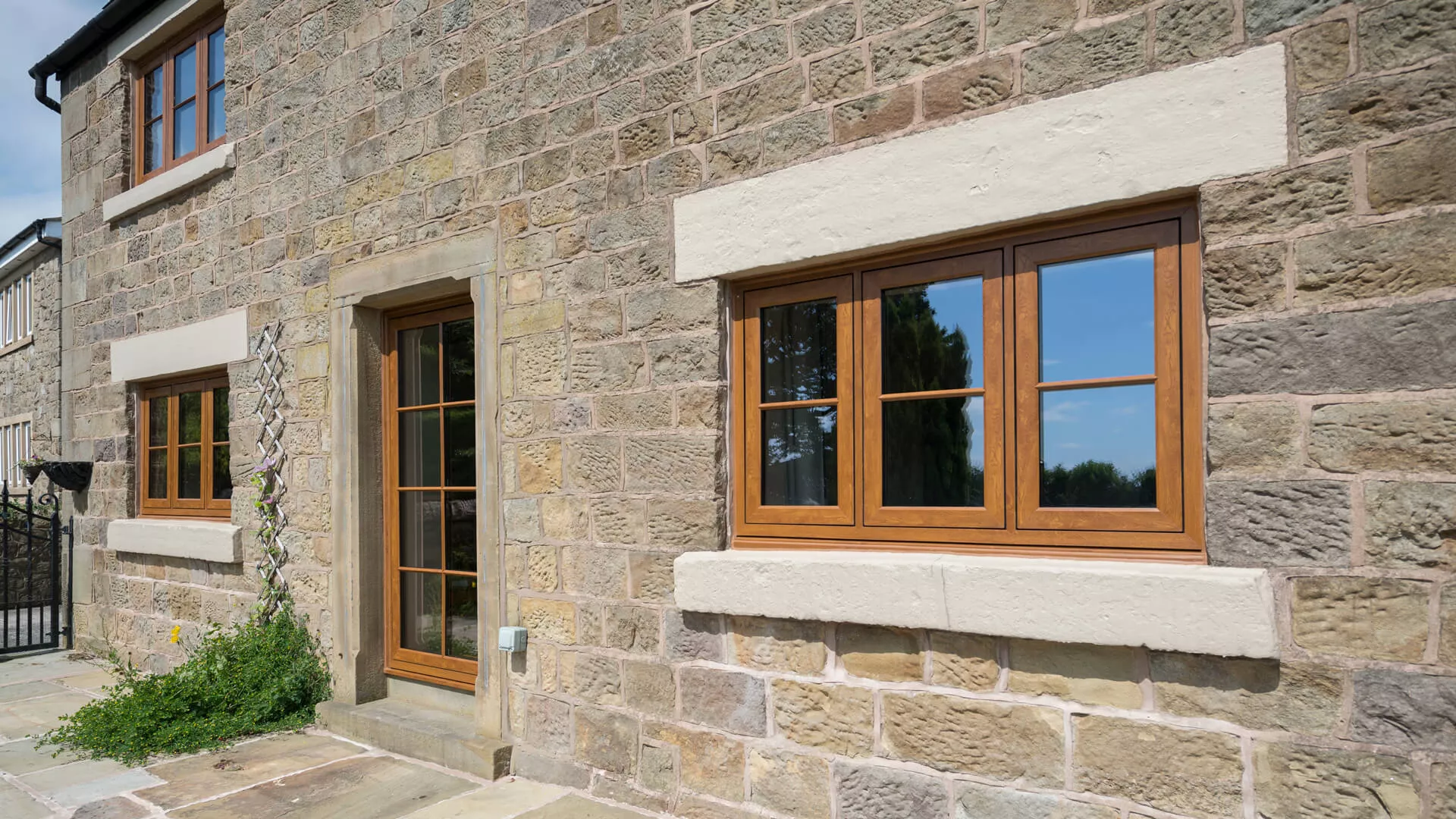
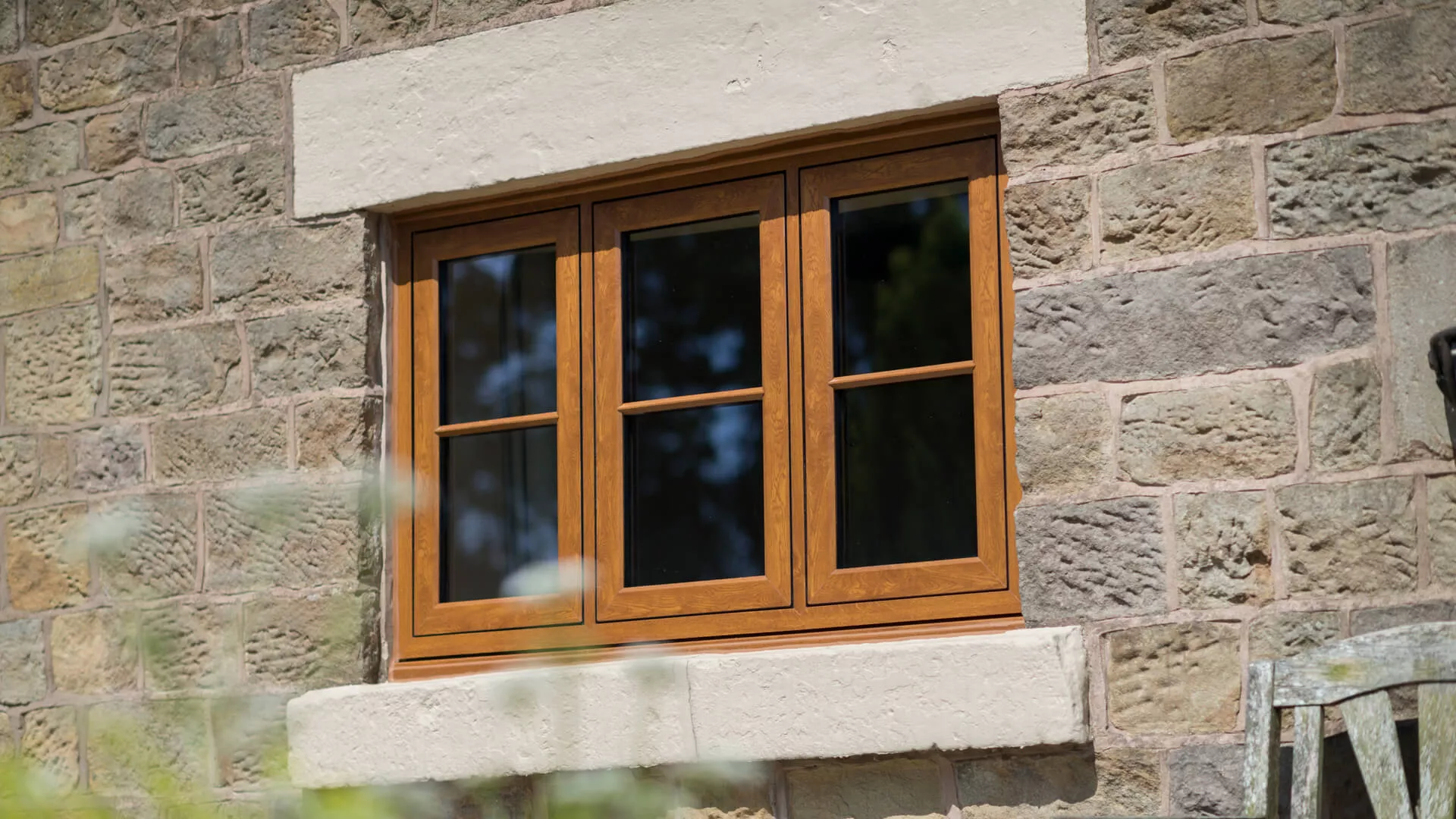
Many planning committees approve of the use of flush windows as a replacement for traditional windows at heritage homes and in listed buildings because of how brilliantly they echo the appearance of classic timber windows.
What Are Flush Windows?
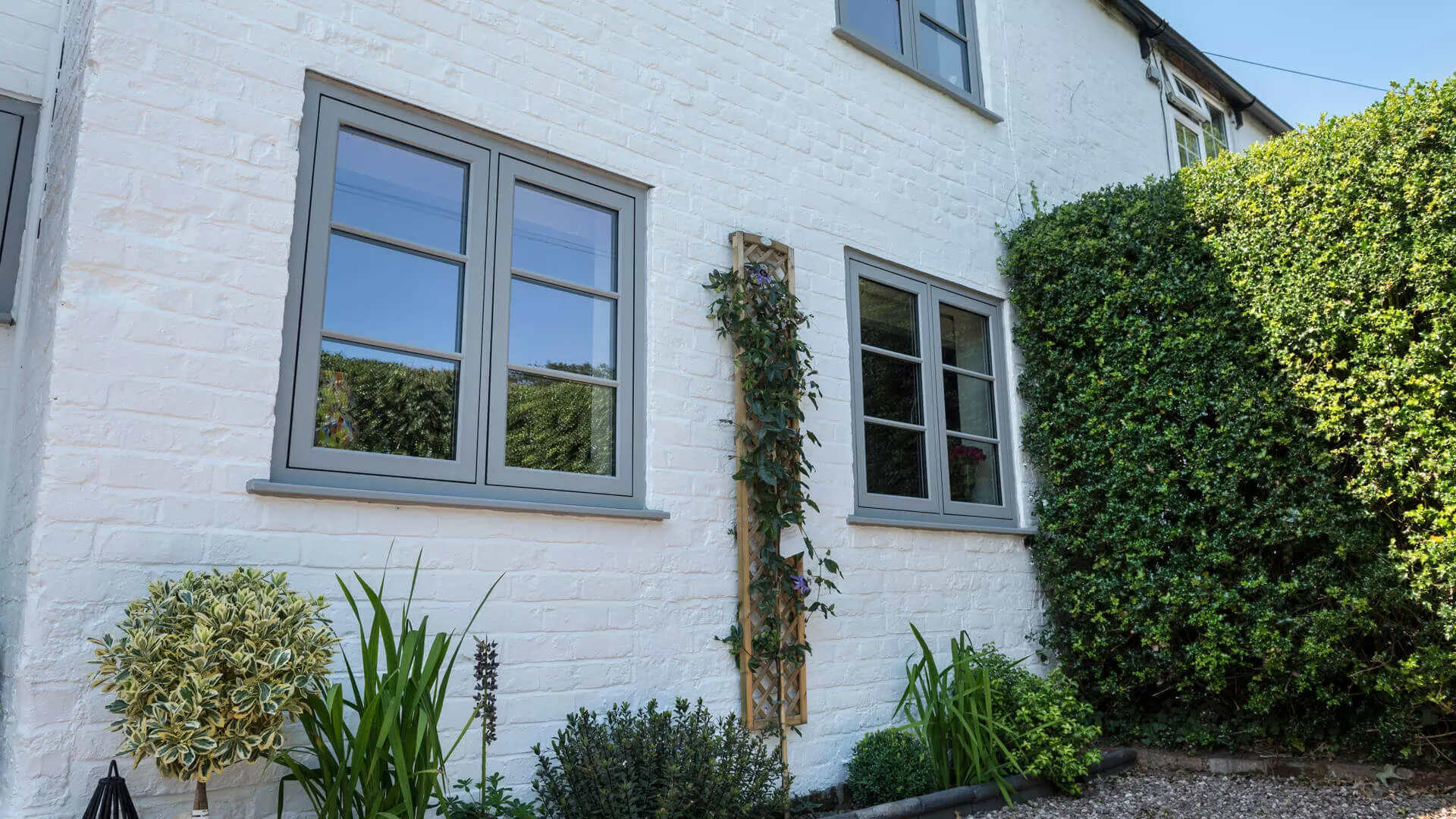
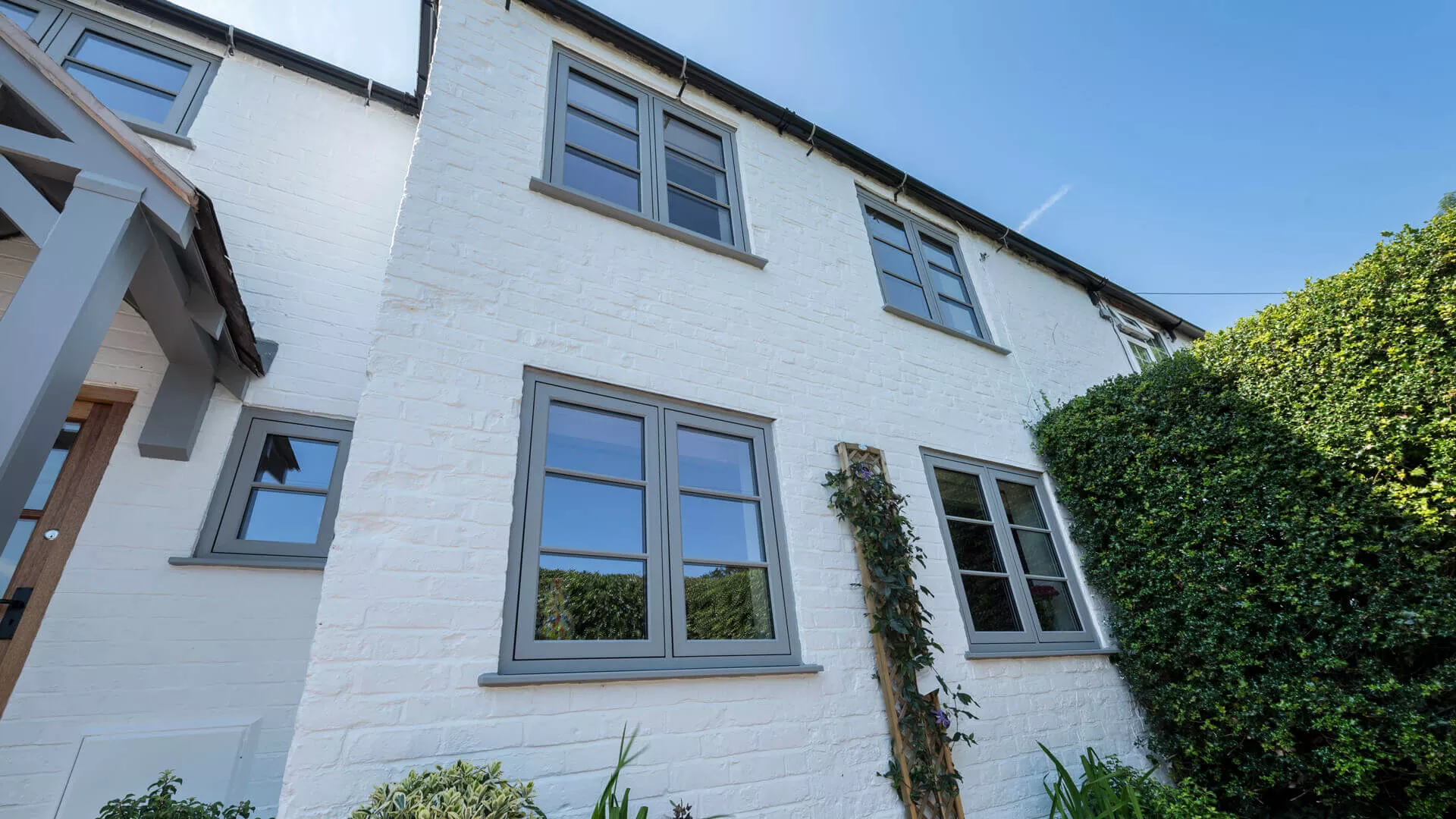
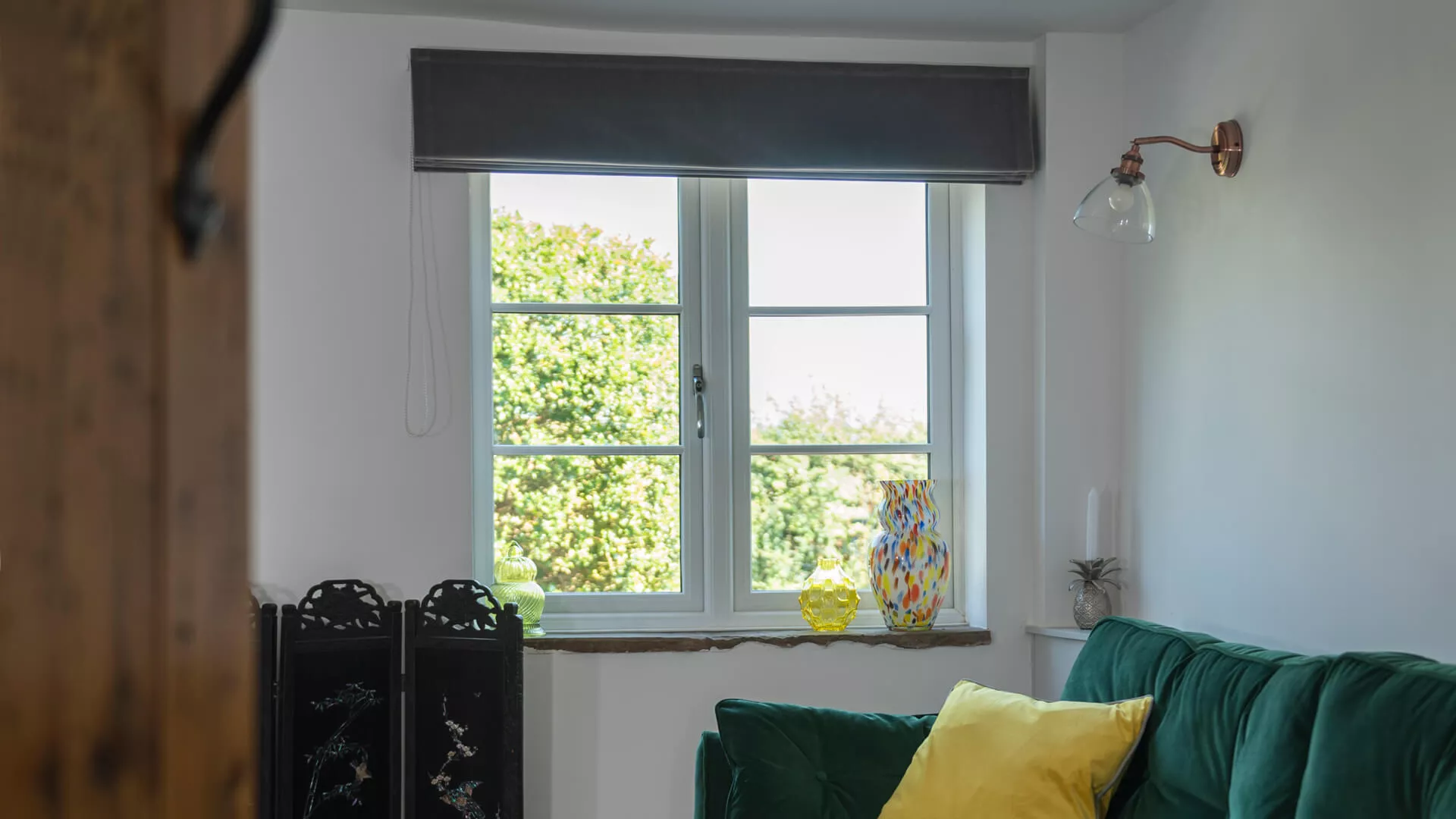
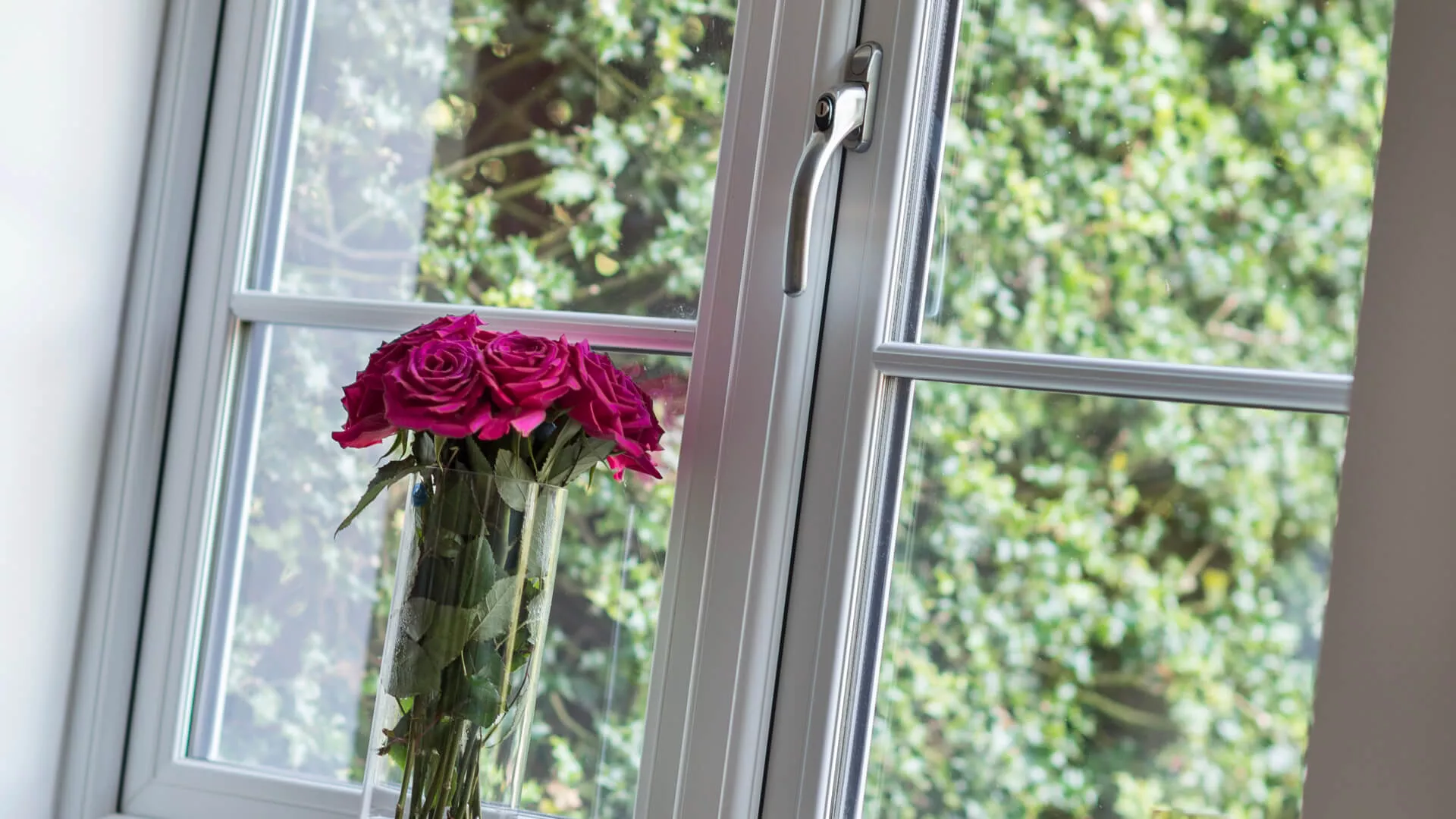
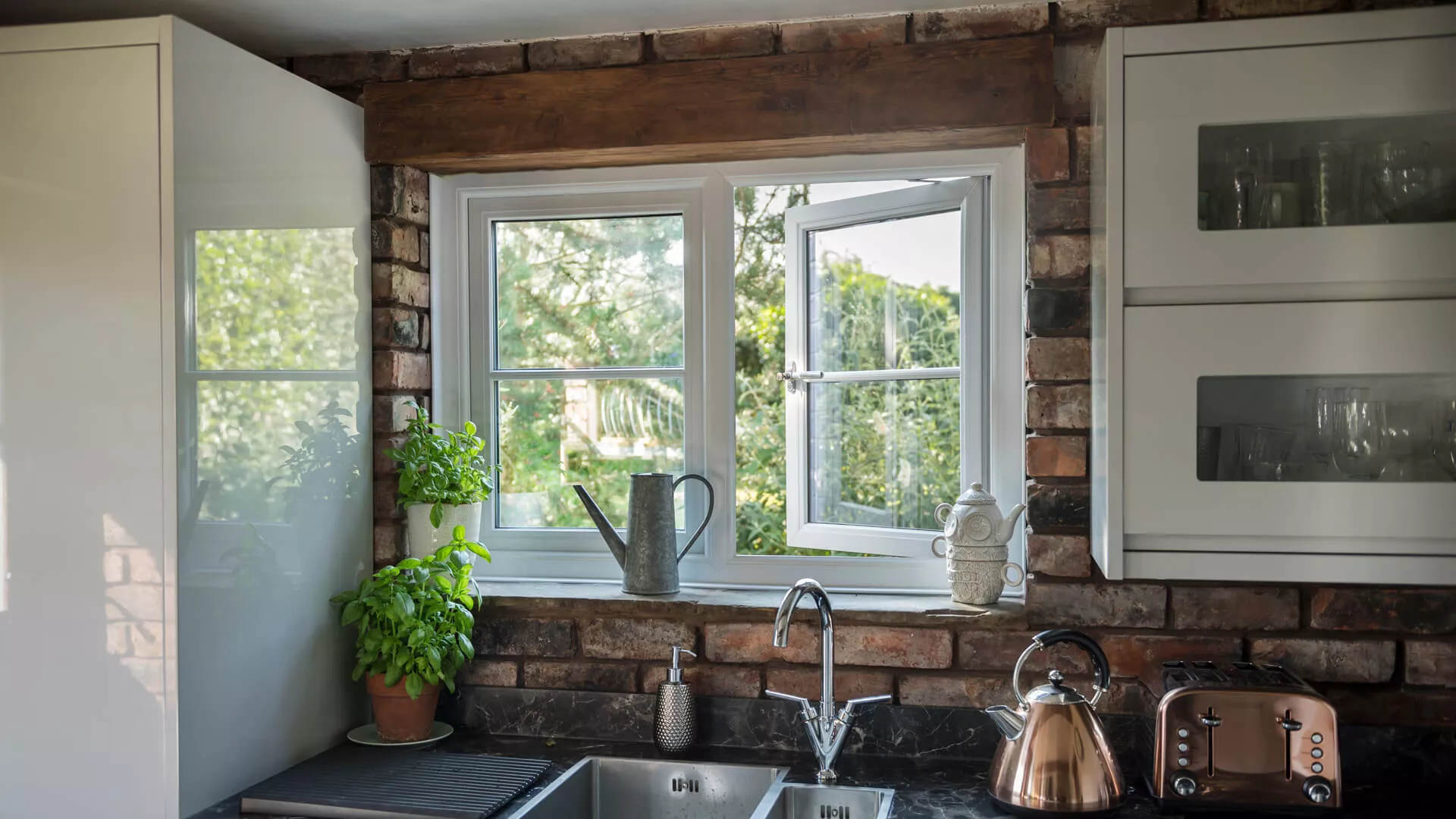
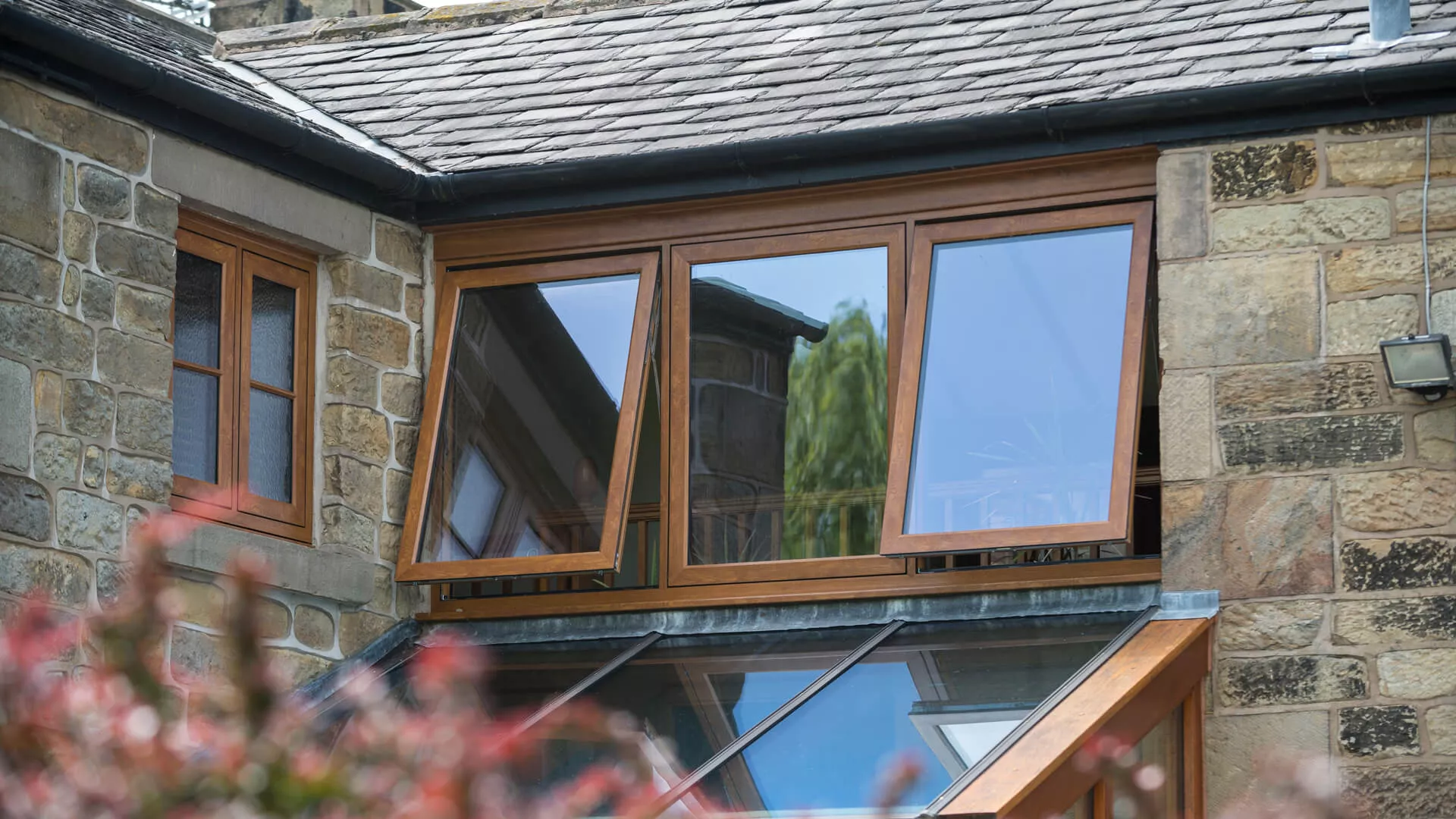
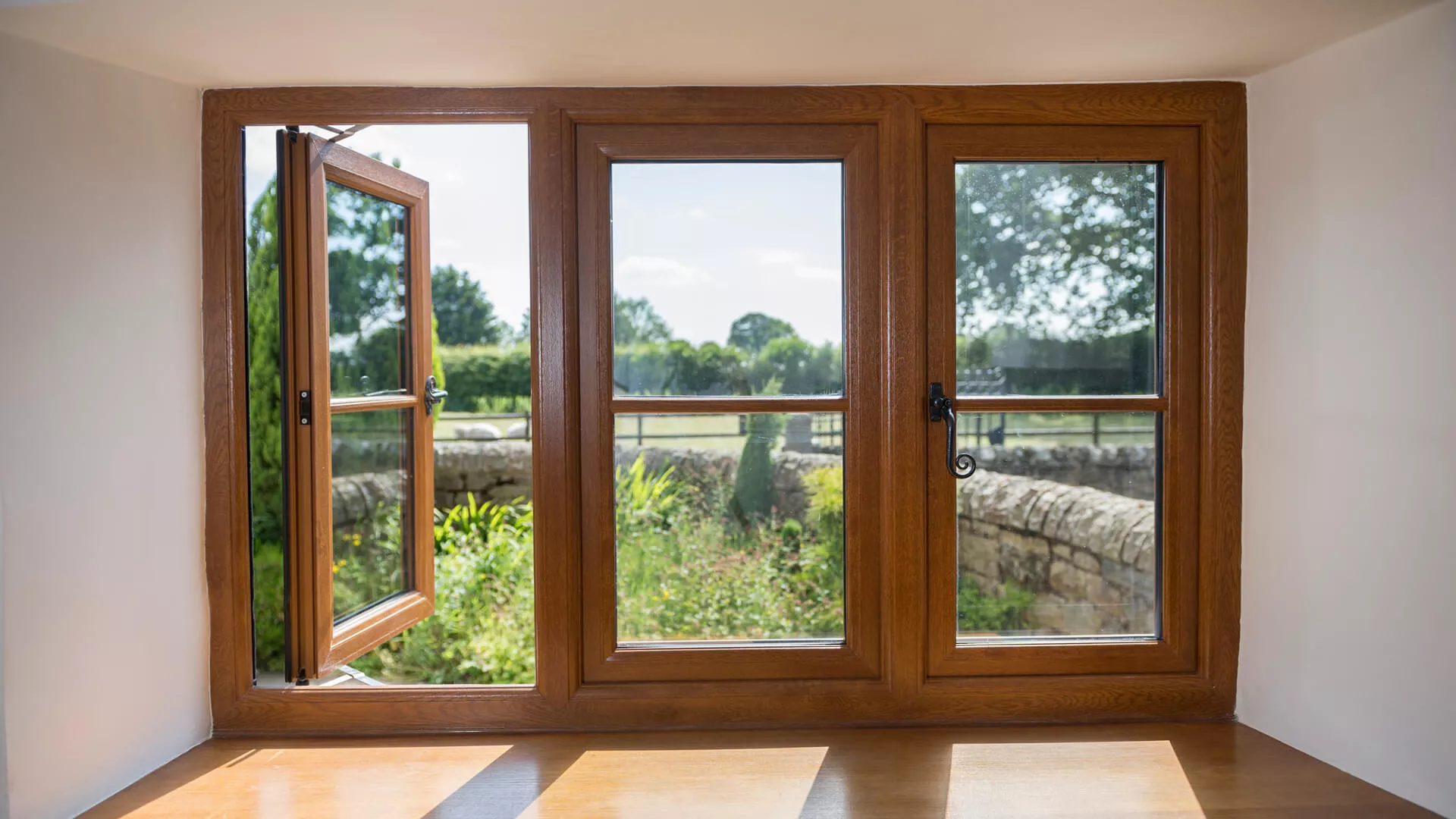
Flush windows are made to lie completely flat against a wall for a clean, tidy aesthetic. Compared to stormproof or lipped casement windows, flush casements and flush sash windows have frames that don’t protrude beyond the glass. There’s no overlap and that includes flush sash and flush fit windows. A flat-to-frame arrangement is so visually alluring and has inspired a revival of interest in flush frame windows.
Flush Casement Windows Clarified
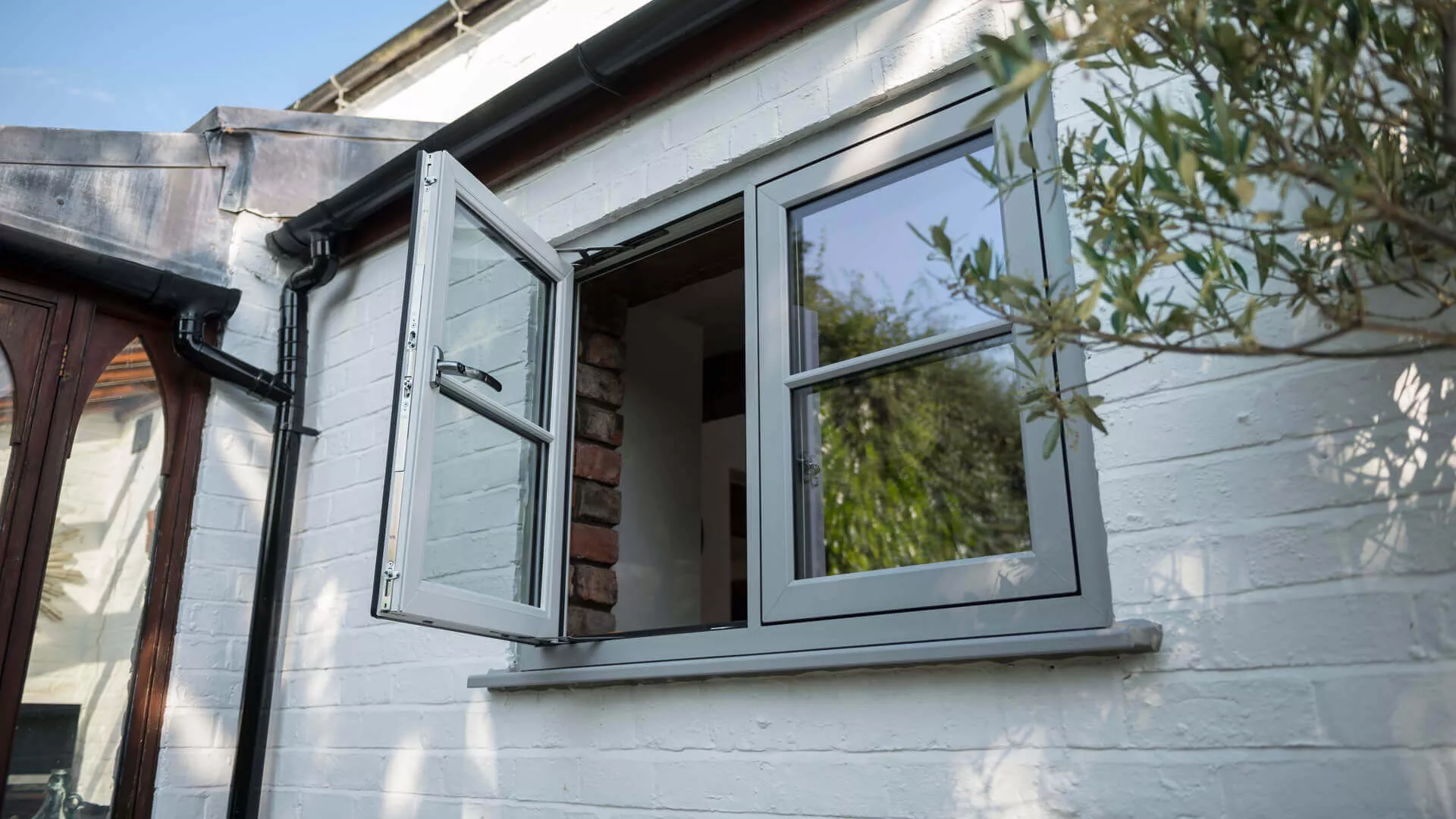
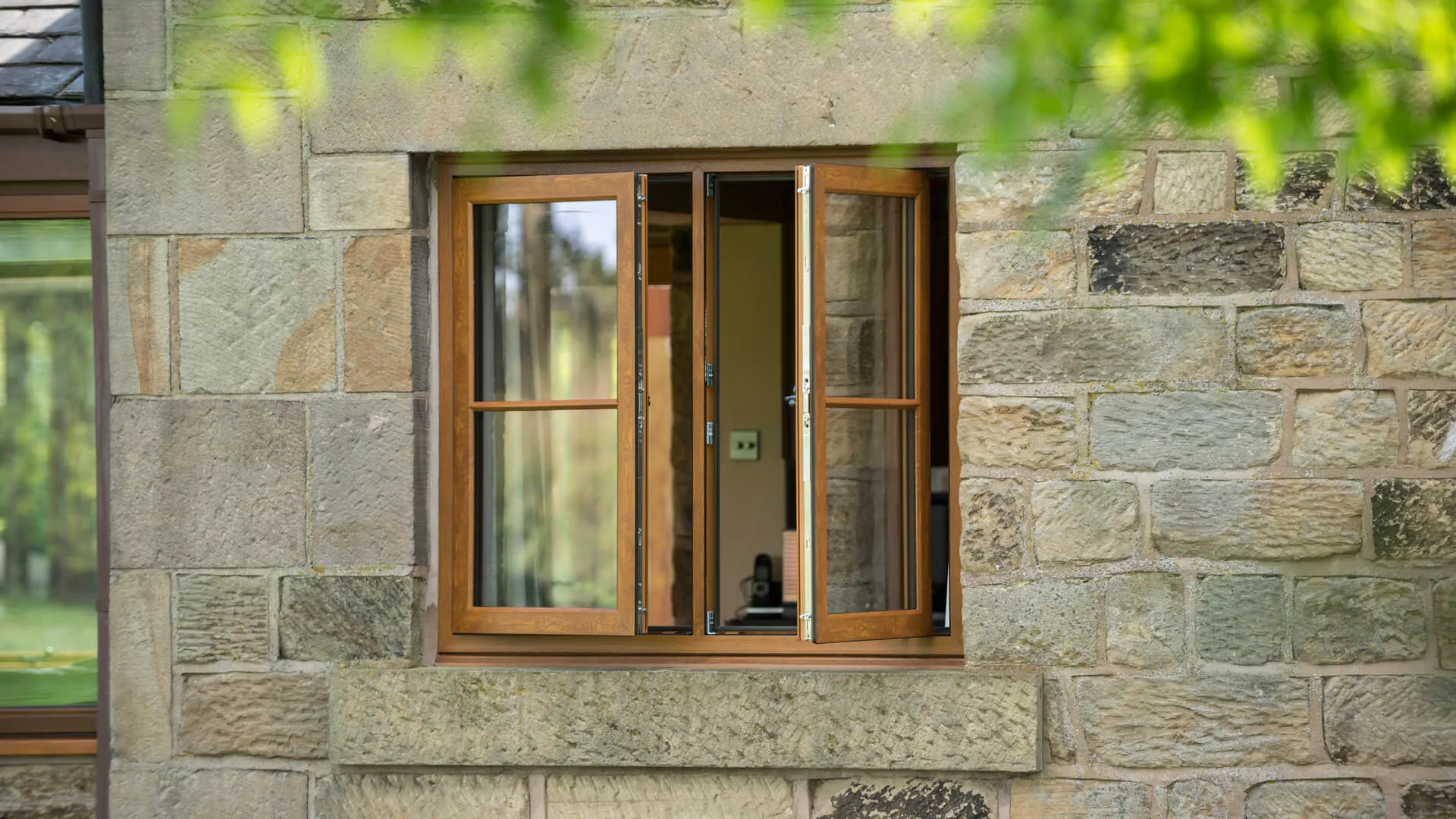
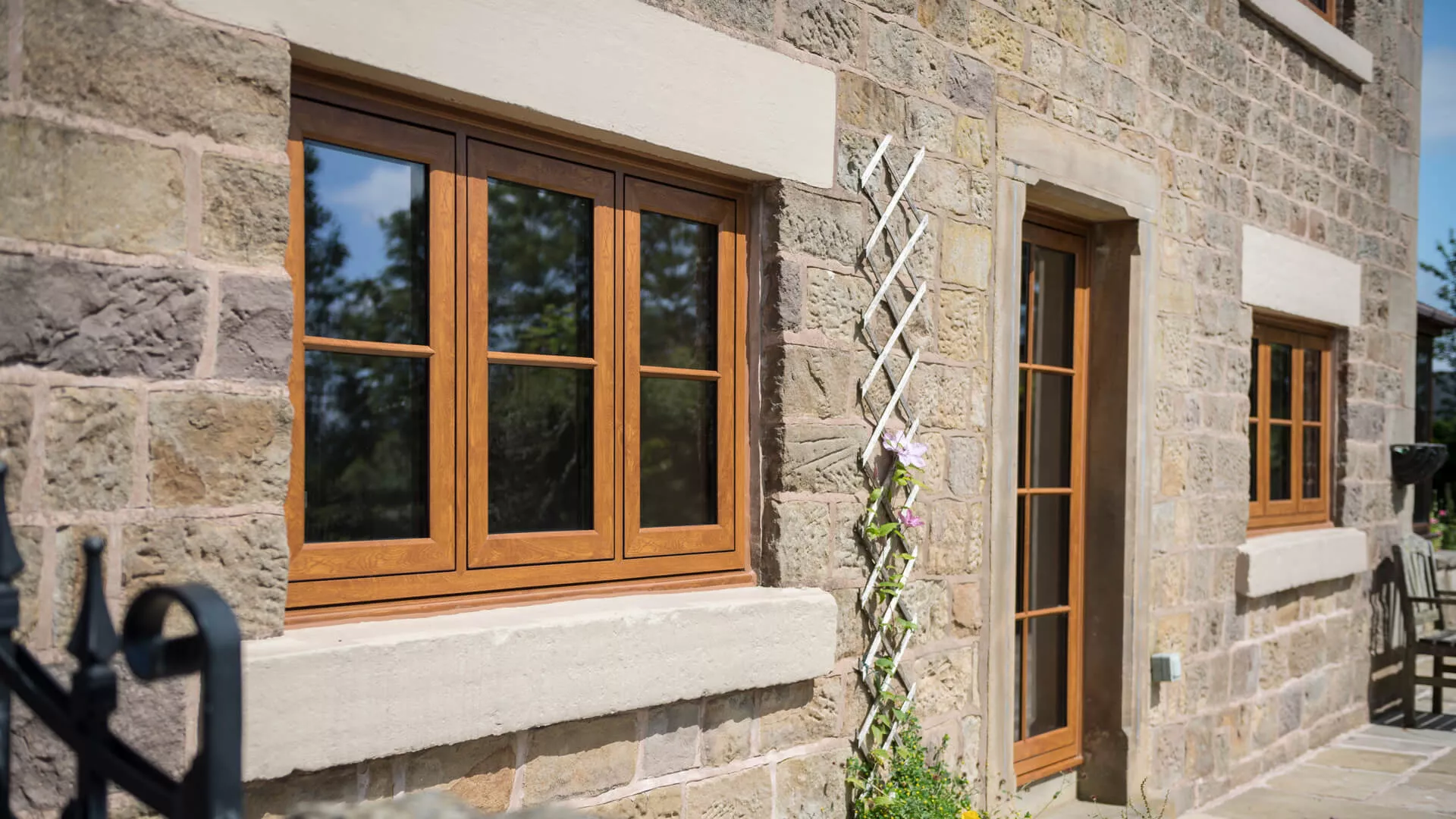
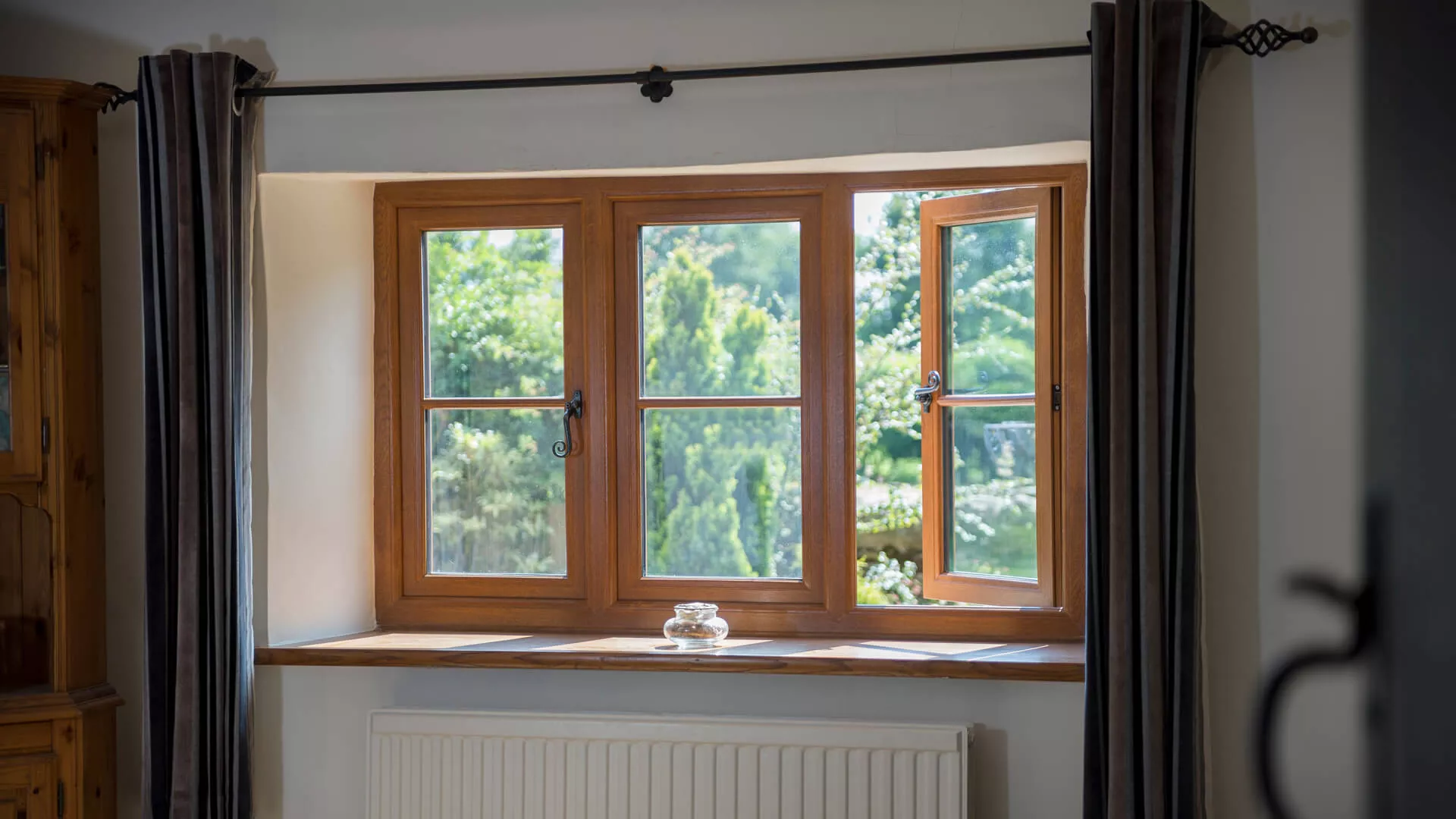
In contemporary flush casement UPVC replacement windows and flush-fit UPVC casements, there’s mechanical jointing of sashes, deep bottom rails, and a standard co-extruded gasket weather seal, ensuring resilience, thermal efficiency and seamless operation. A side-hinged arrangement in flush casement windows means that once closed, the flush fits perfectly into the frame for a flat surface. There’s no overlap with flush casements like there is with standard casements and the former are considered sleeker and offer the better views.
Flush Sash Windows Clarified
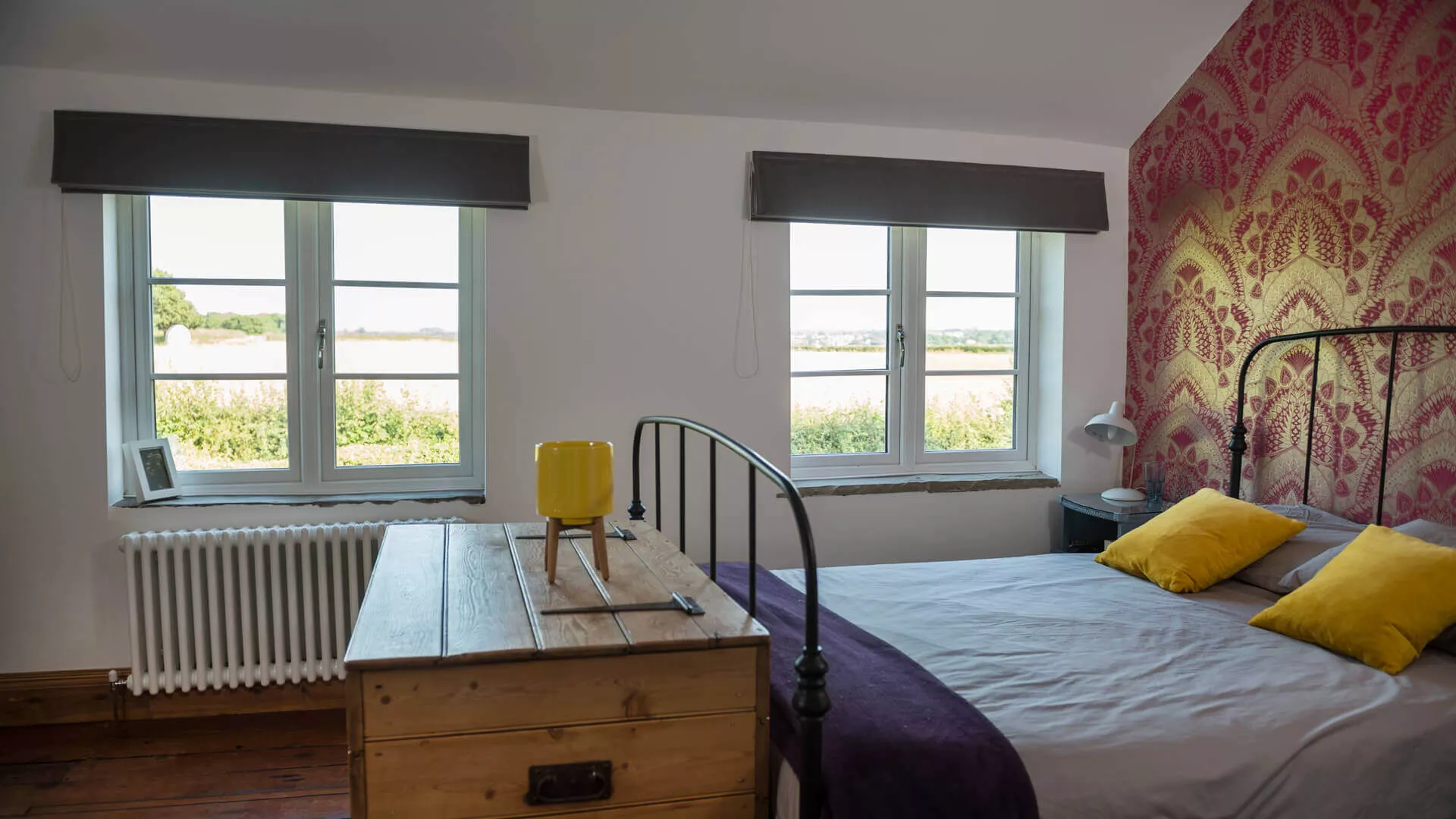
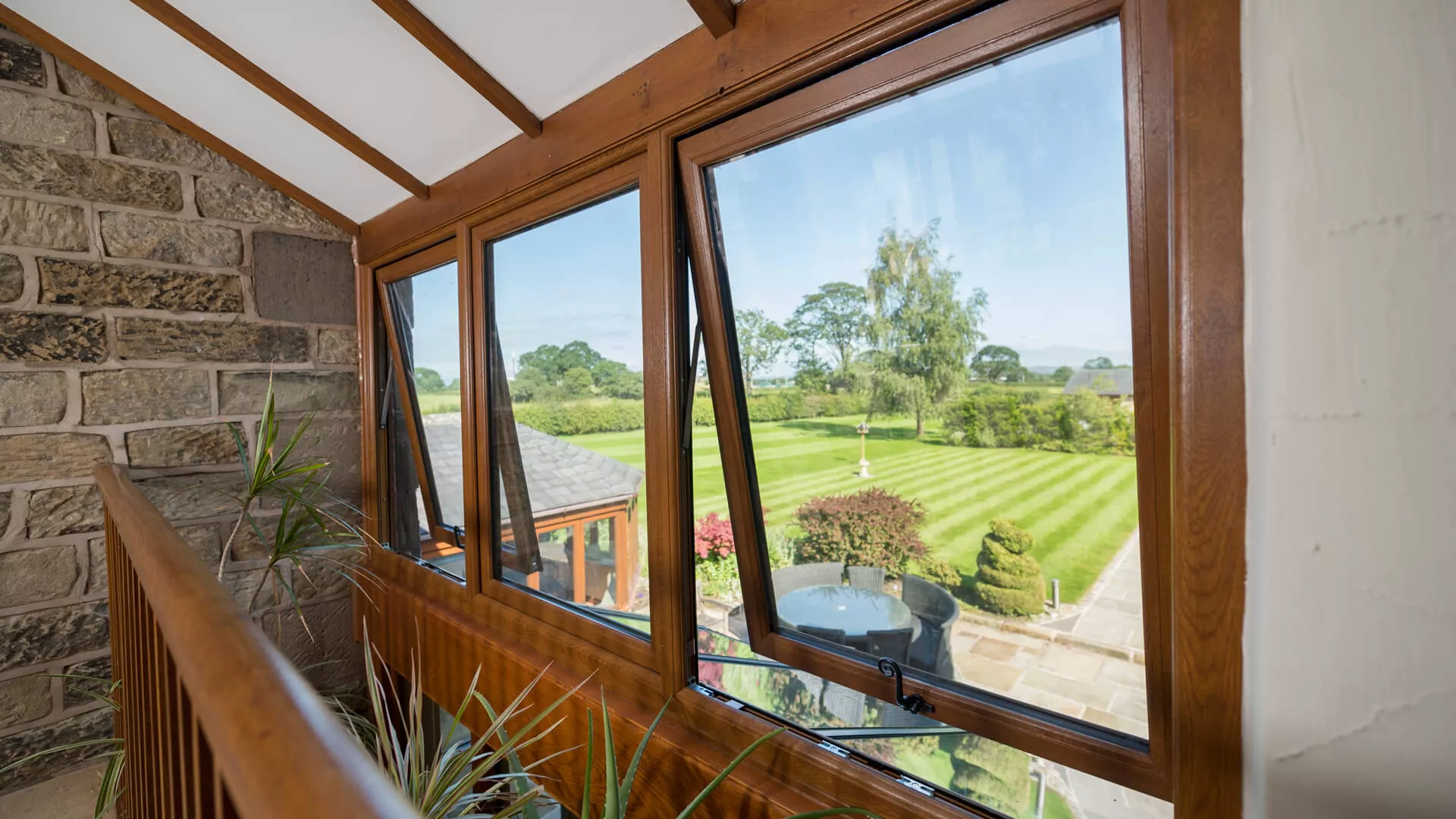
Flush sash windows contain a sash that sits flush in the frame, without an overlap, resulting in an elegant, even profile. Their flawless appearance emphasises the versatility of flush sash windows, UPVC flush sash windows and flush sash aluminium windows and is central to them suiting traditional and contemporary properties. Smartly executed flush sash windows are sure to be popular with householders wanting energy efficient windows that ooze traditional charm, perform impressively and have a trendy aesthetic.
Flush Windows vs Non-Flush Windows
It’s how the two windows sit within their frames that’s the main distinction.
Non-flush windows, including storm casement windows (also referred to as lipped casement windows) have openable parts that extend outwardly from the frame. Having a sash that sits proud of the frame also prompts a visible lip overlapping the external edge, fundamental to weather resistance.
Alternately, flush windows sit exactly level with the frame, producing a beautifully smooth effect, minus an overlap. Design selection tends to be wider when non-flush UPVC casement windows and other non-flush windows are chosen, but with flush windows, you’re assured of a wonderfully streamlined look.
Performance-wise, non-flush windows and contemporary flush windows offer a similar standard of thermal efficiency. It’s often the look of the two that sways homeowners’ one way or another: stormproof windows are very traditional and functional, while flush triple glazing windows have pristine finishes that complement modern and heritage dwellings.
Primary Design and Appearance Disparities
Detect energy-efficient flush windows, particularly flush casement windows, by observing their sash and how it sits completely flush inside the frame when shut, rather than having an overlap. Stormproof or lipped designs, including storm casement windows, are lipped and have openable sections protruding outwards from the frame – basically meaning their sash sits proud.
Standard UPVC casement windows include an external overlap of sash over frame, largely for weatherproofing reasons, giving them a classic and substantial aesthetic. Manufacturing procedures like Smoothweld joints allow for the omission of an overlap and engineer designs with pristine lines and avant-garde finishes.
Which Style Will Suit Your Home?
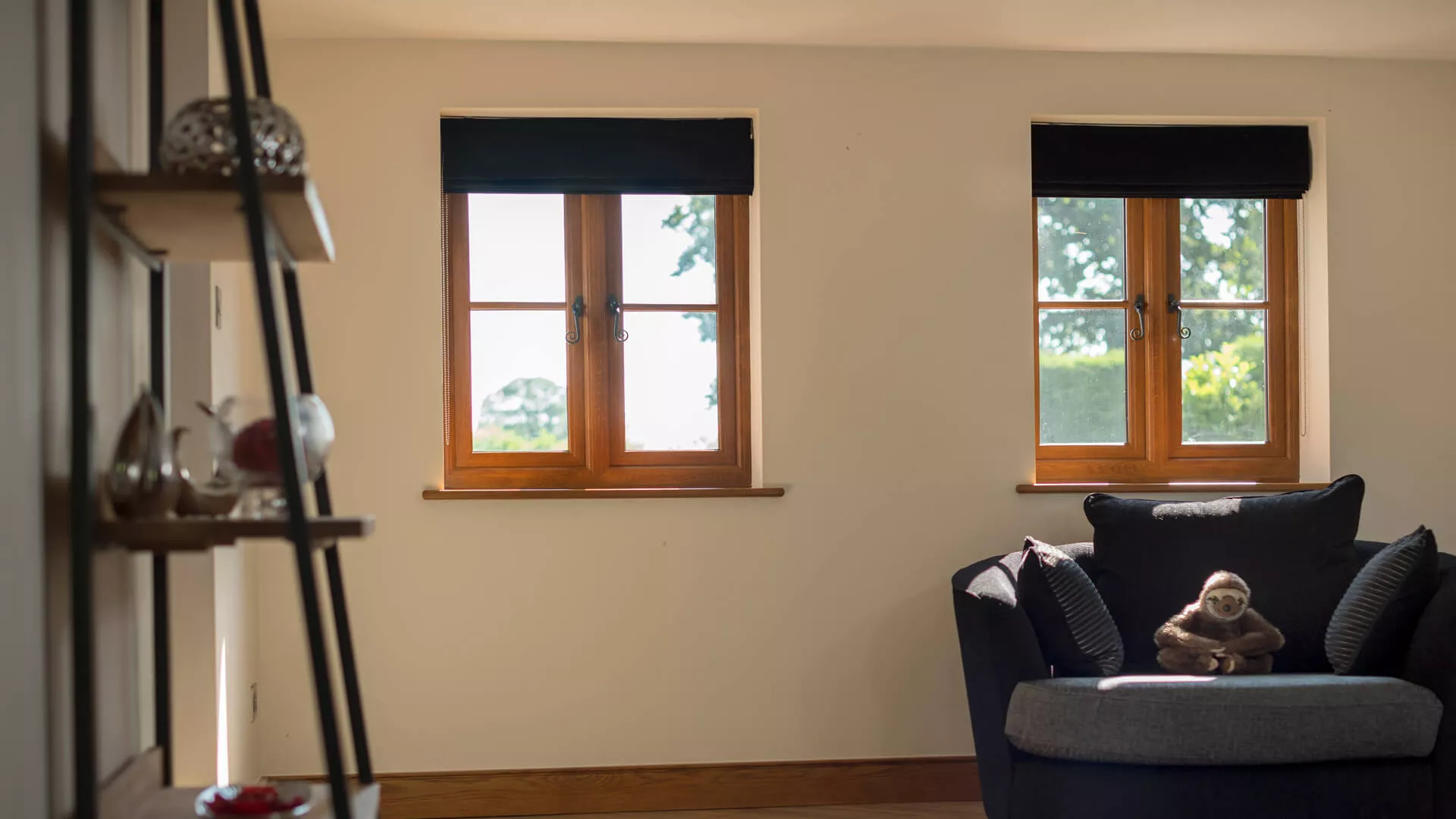
Period residences, traditional abodes, listed buildings and homes in conservation areas tend to suit flush windows and offerings like flush sash windows and flush casement windows as they mimic timber and can sustain heritage aesthetics. Flush sash windows are a great match for listed and period abodes, while flush casement windows are the types of window frames that fit nicely at period properties, listed buildings and conservation dwellings.
Importantly, flush designs aren’t limited to traditional homes. Aluminium flush casements are frequently specified for modern residences, often when a householder wants to instil a period aesthetic but covets a smart, contemporary finish.
For optimum flexibility, non-flush styles are advocated because of the broad array of frame designs, finishes and hardware available, helping satisfy all practical considerations.
Thermal Qualities and Energy Efficiency
Flush windows realise outstanding thermal efficiency. A standard window configuration can attain a U-value of an amazingly low 1.1 W/m²K, restricting heat loss to a minimum so that utmost warmth is generated internally throughout the year (find out is a lower u value better).
Double glazing comes as standard in most contemporary window systems, and they generally offer an A-rating. Flush designs that combine tight sealing with advanced frame construction deliver exceptional insulation no matter where they’re installed.
The addition of flush windows will noticeably uplift insulation and cut the cost of energy. Pay attention to that when you are looking to renovate an old or new house, as they will spawn increased warmth and improve energy savings.
It is possible to amplify the amount of insulation provided by energy-efficient windows – the secrets to doing it are in our article on how to insulate windows.
Security Credentials of Flush Windows
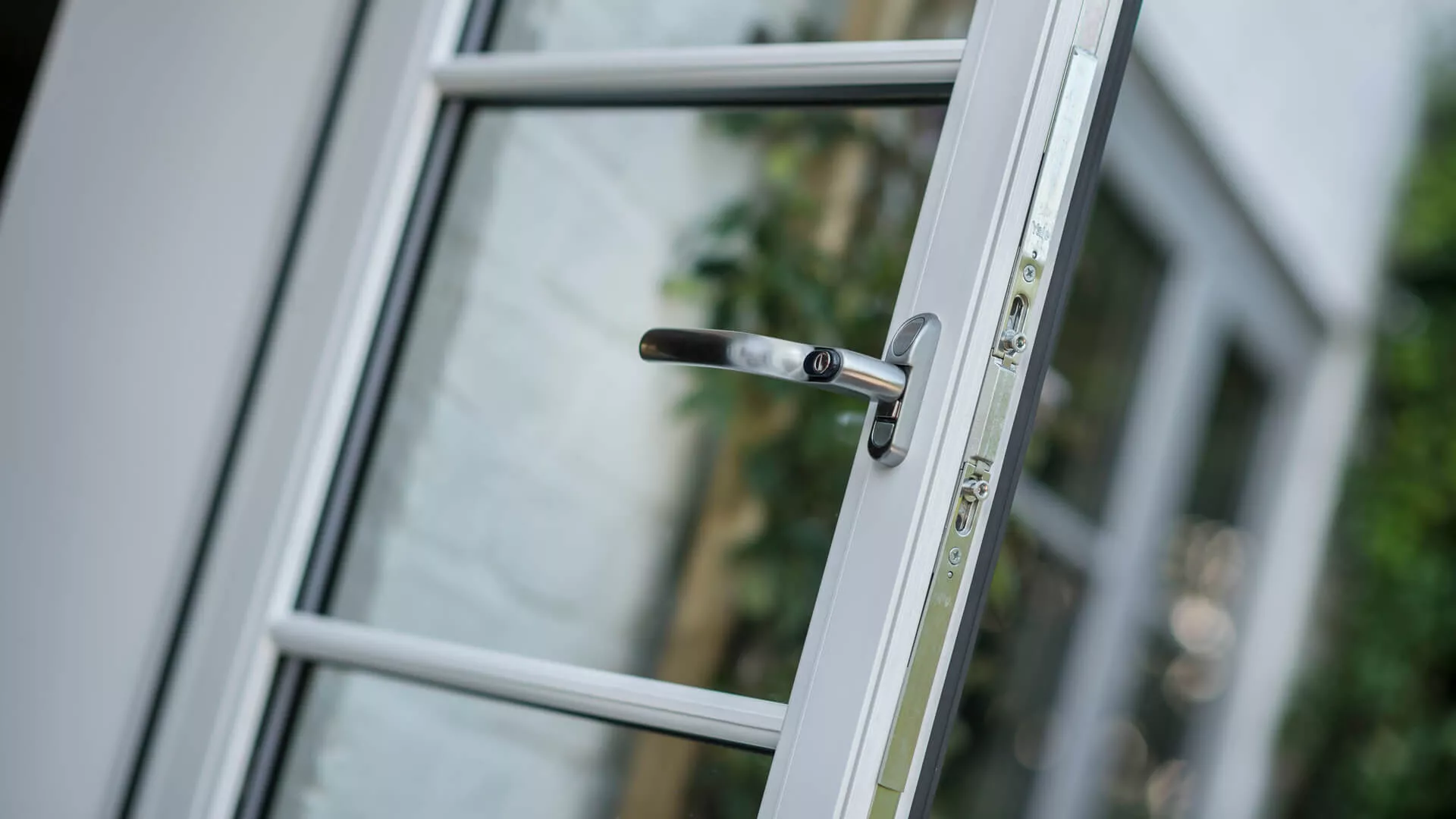
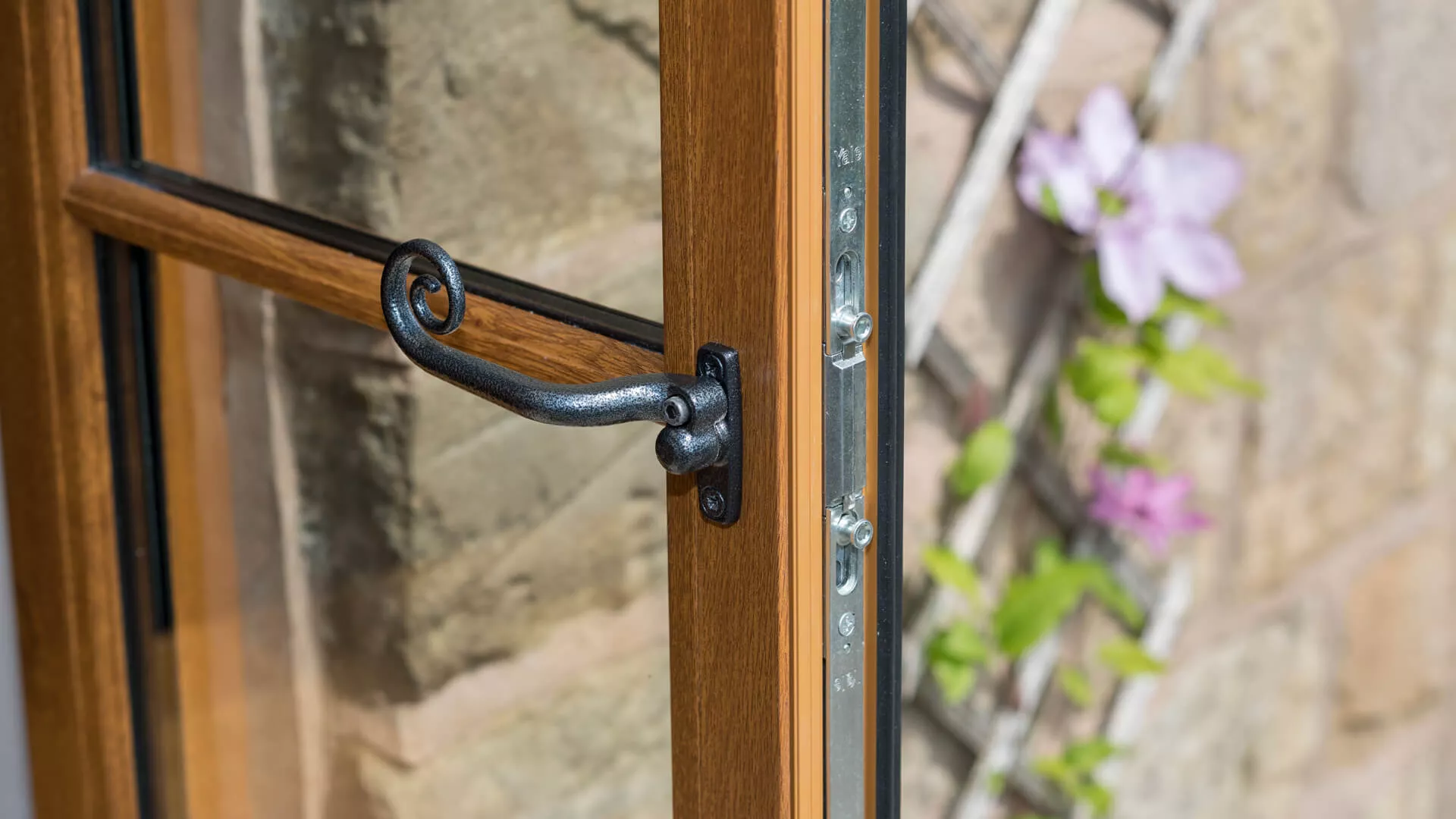
Everyone deserves to feel safe in their space and modern flush windows account for security. In amongst their components is a multi-point lock, which engages the sash at various points along the frame, minimising the chances of a successful break-in occurring. Flush window security heavily relies on there being a multi-point lock.
Locks in flush innovations invariably fulfil PAS 24 security requirements, validating their ability to resist intrusion from outside. High security locking features in flush casement windows too, another reliable safeguard.
For magnified window security there is internal beaded glazing (this stops glass being removed externally), hinge protectors, and a lot of flush windows also encompass anti-lifting blocks. Additionally, you get key-locking handles, secure night vents and child safety restrictors.
Prolonged Value and Cost
Try not to over-focus on the cost of flush windows and concentrate on the value they’ll add over the long-term (we’ve discussed how long do windows last previously). UPVC flush sash windows will prove to be more cost-effective than timber windows in the long run because they’re less expensive and simpler to maintain.
Flush casement windows offer fantastic value for money, and their price-to-performance ratio is second to none, amalgamating top-tier thermal efficiency and toughness. First-class insulation will cause heating costs to decrease, making flush windows a wise investment for homes of every type.
Conclusion
In a final recap of flush windows vs non-flush windows, flush designs lie flat against a wall – so there’s no outward protrusion, resulting in a sleek and modern aesthetic. Whether you opt to buy flush casement windows or flush sash windows, you’ll benefit from windows exuding a clean, understated appearance that pair with your traditional or contemporary home.
Factors to determine the purchasing of UPVC or aluminium flush windows need to include budget, house type, and performance requirements.
Regard performance and security as fundamental as aesthetics. Flush windows easily surpass contemporary thermal demands and are known to significantly reduce energy costs, and they adhere to security standards, coming with high security locking, multi-point locks and child safety restrictors. A close observation of security certifications and U-values is advisable ahead of buying, and check if any planning obligations need meeting if you reside in a listed building or want flush windows for conservation areas. You’re also urged to get familiar with standard window sizes prior to finalising any windows with Bon Accord Glass.
REQUEST YOUR FREE QUOTE
Simply fill in your details for your free, no obligation quotation, and click "Get Quote"
Want to speak with an Advisor? Give us a call on 01224 588944
Our friendly team will be pleased to help with any questions you may have.