
If you want to keep cold air out of your home, the most effective solution is to swap poorly performing windows with modern, energy-efficient ones.
That said, there are also simple ways to further boost the insulation of even high-performance double glazing windows, helping them retain more heat and save energy over time.
In this blog, we’ll share practical tips and techniques to answer the question of how to insulate windows and maximise window insulation, keeping your home warm, efficient, and comfortable throughout the year, especially during the colder winter months.
Signs it’s Time to Replace Your Windows
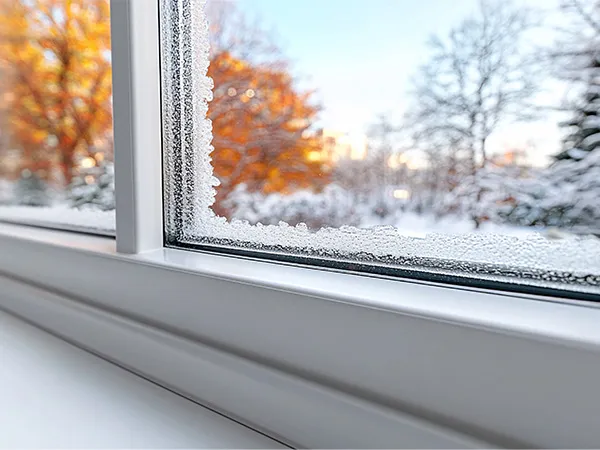
Do you see condensation between window panes, feel persistent draughts, or notice cold spots in certain rooms?
Cracks, warped frames, or difficulty opening and closing your windows are also clear signs that they’re not insulating your home properly. These issues point to inefficient windows and indicate it’s time for an upgrade.
Installing energy-efficient double-glazed windows can enhance comfort, reduce heat loss, and make your home warmer and more energy-efficient.
Paying attention to U values are also important and we often get asked is a lower u value better and the answer is yes! This signifies it is better at retaining heat within the home.
Replacement vs. Insulation - Cost and Payback
When trying to make your home feel cosier during the lowest of winter temperatures, you might wonder whether adding more insulation is enough, or if replacing your windows is the smarter investment. Older windows, particularly single-glazed units or those with worn frames, often let more heat escape than insulation alone can fix.
While adding insulation can seem like the cheaper option upfront, it may not solve the inefficiency of ageing or damaged windows. The decision ultimately comes down to cost versus long-term savings.
If your windows are decades old, replacing them with modern, energy-efficient units often delivers a higher return on investment. These windows offer better U-values, reduce draughts, improve comfort, and lower energy bills year after year. With rising energy costs, upgrading can pay for itself faster than you might expect.
6 Ways to Insulate Windows for Winter
Even the most energy-efficient windows can benefit from a little extra protection when temperatures drop. These six practical methods help seal in warmth and block out cold draughts, offering solutions to suit different budgets and home setups. If you are looking for answers surrounding how to insulate windows from cold air, read on.
1. Window Film
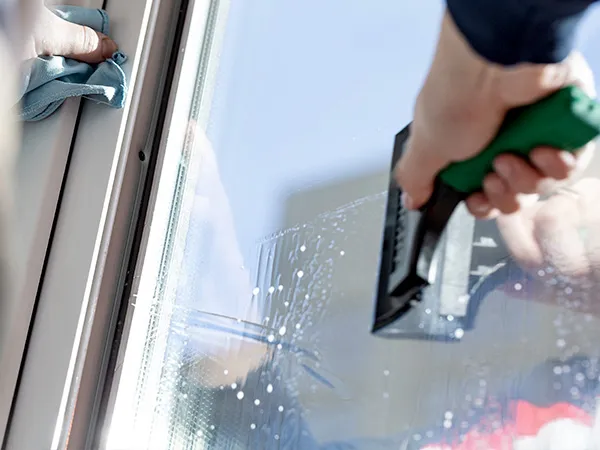
Insulating window film adds an extra layer over your glass, helping reduce heat loss through conduction. It’s a great option for renters or anyone looking for a temporary solution without major installation.
Easy to apply with a hairdryer and simple to remove, it can noticeably improve comfort. Particularly effective on single-glazed windows, it keeps warmth in while still letting natural light through.
Many films also provide UV protection, helping to prevent fading of furniture and flooring. When applied correctly, window film can cut winter heat loss by up to 30%.
2. Thermal Curtains and Blinds
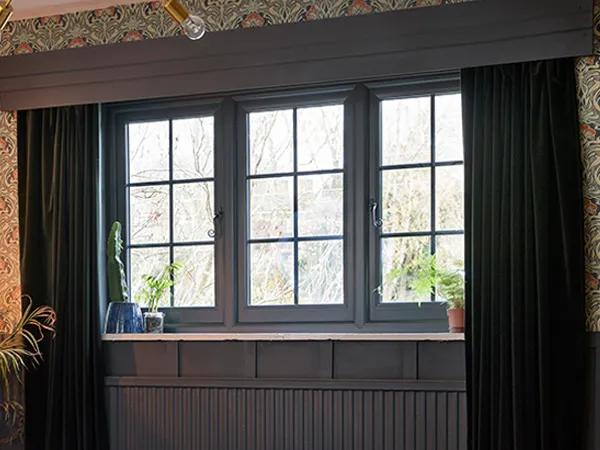
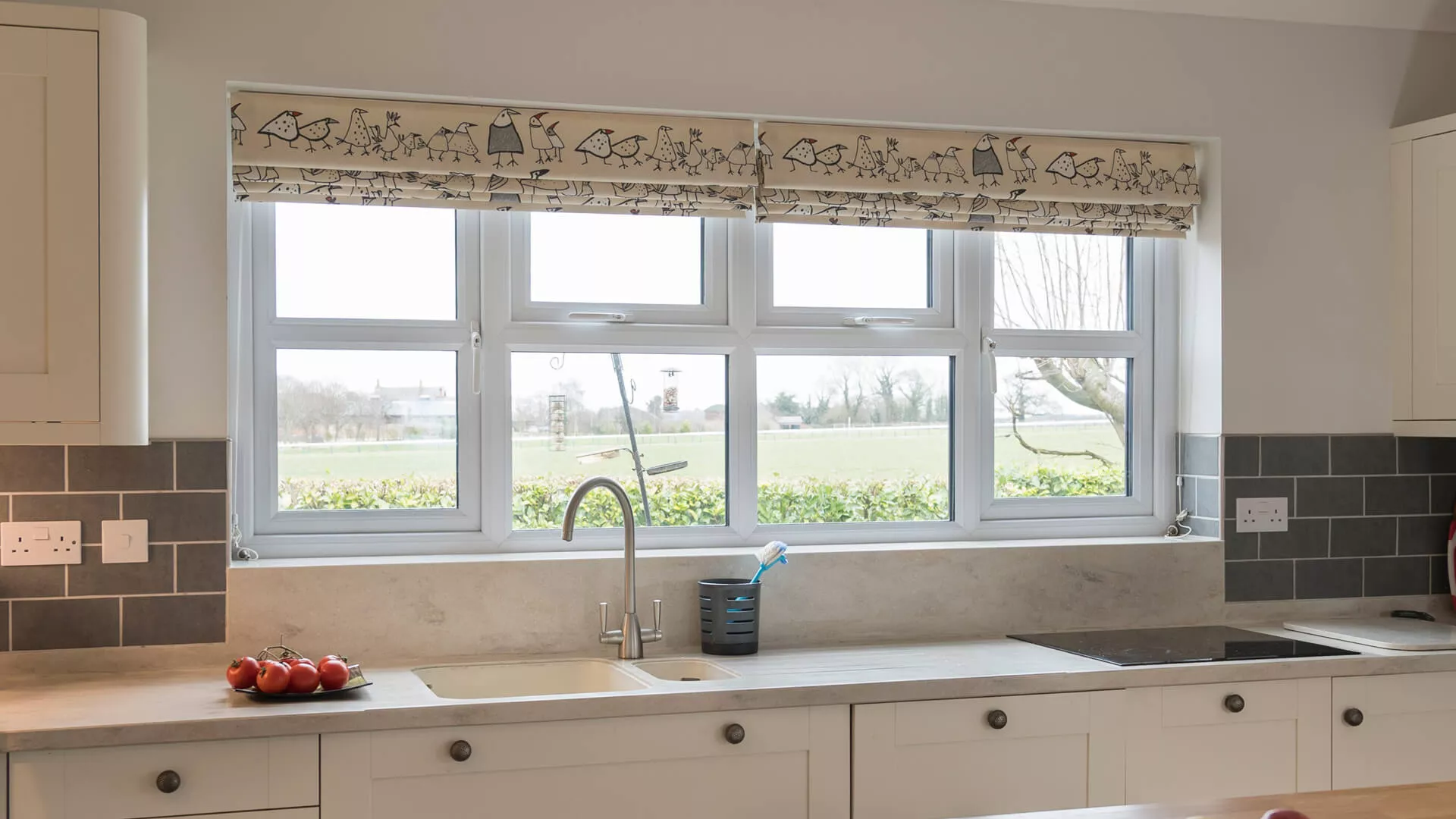
Thermal curtains and heavy blinds trap warm air close to your windows, helping prevent heat from escaping while adding a stylish touch to any room. They come in a variety of fabrics, colours, and designs, so you don’t have to compromise on looks for performance.
For draughty areas or south-facing rooms, opt for thicker materials like velvet or lined curtains. Thermal blinds are ideal for smaller windows or rooms where full curtains aren’t practical.
Beyond giving insulation, they provide extra privacy and help reduce outside noise. For maximum warmth, keep them closed at night and open them during sunny days to let natural heat in.
3. Caulking and Weatherstripping
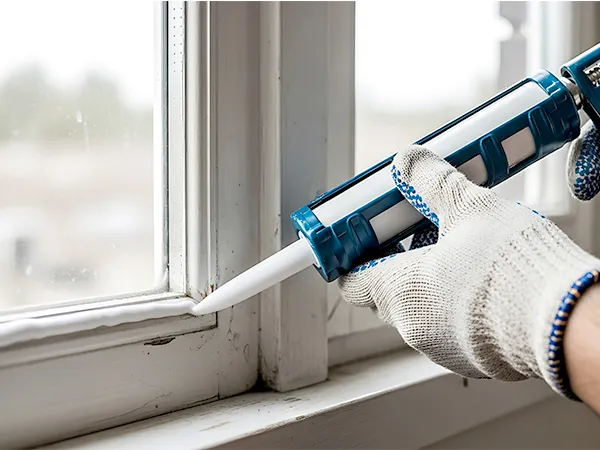
Stopping cold air from sneaking through gaps around all types of window frames is an easy way to boost energy efficiency. Older wooden or metal frames are often the biggest culprits, especially if you feel draughts or notice chilly spots.
Weatherstripping is a quick, removable solution that works well for temporary or flexible fixes. Caulking provides a more permanent seal, ideal for long-term insulation projects.
Regularly inspecting and renewing these seals helps maintain warmth and keeps your windows performing at their best all winter.
Request Your Free Window Quote
Simply fill in your details for your free, no obligation quotation
4. Bubble Wrap Insulation
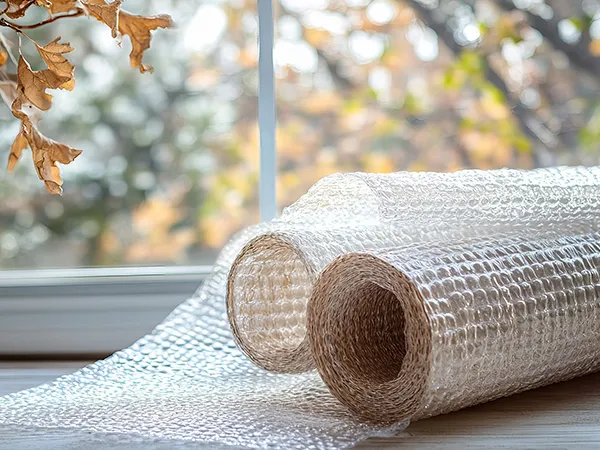
Bubble wrap is an inexpensive and surprisingly efficient way to add temporary insulation to windows. Just trim to fit and attach using water or double-sided tape on the inside of the glass. The trapped air pockets help retain heat, reducing heat loss considerably.
It’s perfect for rental homes or windows you prefer not to modify permanently. While it isn’t the most attractive option, it can easily be concealed behind curtains or blinds.
Replacing or reapplying the wrap as the bubbles lose their shape ensures it continues to provide warmth throughout the season.
5. Secondary Glazing
While double and triple glazing windows are both very common and understood, secondary glazing works a little differently. It involves adding an extra pane of glass or acrylic inside your existing window frame, creating an insulating barrier.
This approach is especially useful for older or heritage windows, improving thermal performance without replacing the original frames. It also helps reduce outside noise, offering both warmth and quiet.
Over the years, secondary glazing can pay for itself by lowering energy bills and enhancing overall comfort in your home.
6. Draught Excluders and Insulation Tape
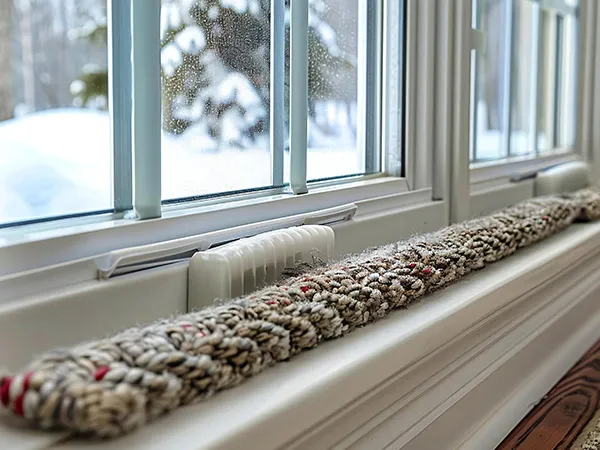
Basic draught excluders or insulation tape can seal gaps around window frames where cold air seeps in. They’re affordable, quick to apply, and provide an immediate boost to comfort.
Perfect for older or imperfectly sealed windows, these solutions can be installed in minutes with minimal effort. They work particularly well on sliding sashes, doors, and the base of windows.
Used alongside other insulation methods, like thermal curtains, they can make a noticeable difference to room warmth. Regularly checking and replacing them ensures they continue performing effectively throughout winter.
Why Window Insulation is Still Important
Even with modern, energy-efficient replacement windows, proper insulation can make a real difference to your home’s comfort. Learning how to insulate windows for winter isn’t just for older homes, adding extra layers helps trap warmth, reduce draughts, and maintain a consistent indoor temperature.
Insulation can also lead to noticeable savings on energy bills, especially during cold winters when heating demand is high. It helps protect your home from sudden weather extremes, eases the load on your heating system, and can extend the life of your windows.
When combined with energy-efficient glazing, small measures like thermal blinds, draught-proofing, or insulating film add up, making your home both warmer and more economical.
The cost of window insulation remains an inexpensive way to increase warmth and save money on your heating.

REQUEST YOUR FREE QUOTE
Simply fill in your details for your free, no obligation quotation, and click "Get Quote"
Want to speak with an Advisor? Give us a call on 01224 588944
Our friendly team will be pleased to help with any questions you may have.