
Request Your Free Window Quote
Simply fill in your details for your free, no obligation quotation
When to Choose Which
Price Disparity Between Aluminium & UPVC Windows
Maybe you require something outside of standard window sizes, larger openings perhaps. Therefore, more material will need harnessing, you’ll require stronger frames and extra glazing support etc., increasing the overall cost. Any personalisation could also increase pricing.
Other cost implications that may arise when evaluating aluminium windows vs UPVC UK will include your glazing choices and what amount of energy efficiency you desire. Although high-performance glazing comes at a cost, stay focused on how much added insulation and warmth you’ll benefit from.
To reduce cost, stick to a standard colour finish, but if you want a different tone or are attracted to powder-coated aluminium finishes, production costs will be greater. Dual-coloured finishes also come at an additional cost.
Complex installations can impact cost too, such as if structural alteration is required or site access is particularly complicated.
While aluminium windows cost more than UPVC windows, there’s justification for paying more. You’ll be investing in tougher frames, with more strength, that promise outstanding longevity.
Am I Going to Save Money?
Undoubtedly, yes, but exactly how much is dependent on things like energy efficiency and durability.
A UPVC window containing double or triple glazing has a very low U-value if wondering is a lower u value better, indicating that its thermal performance is extremely good. Most modern UPVC systems realise a U-value of around 1.2 W/m²K and the same goes for a lot of modern thermally broken aluminium windows.
Generally, an aluminum window outlives a UPVC window by about 10 years. It’s not unheard of for aluminium designs to last for 30-40 years, or even longer, because of their impressive weather-resistance, for example.
That doesn’t mean that UPVC frames don’t endure for long, as they do. However, you tend to have to replace them sooner than aluminium frames.
You shouldn’t be put off aluminium because of its higher cost, as the longevity and robustness of the material makes it worth it, and it needs little maintenance. Its sleek design may also attract your eyes and convince you to pay extra.
Unable to afford aluminium? UPVC will still offer noted thermal performance and is cheap and easy to maintain.
Which Survive Longest And Need Least Upkeep?
Aluminium windows win out for how long do windows last, but UPVC windows are equally simple to maintain.
30-40 years is the typical lifespan of an aluminium window, owing to the immense strength of the material and its ability to protect against weathering. Application of a powder-coated finish ensures that no fading, corrosion or peeling occurs.
The predicted lifespan of UPVC windows is 20-30 years. They have superb durability too and can combat weather conditions, but that doesn’t apply to low-standard UPVC profiles, notorious for discolouring, staining and becoming brittle when exposed to the sun and temperature swings.
Traditional timber demands far more upkeep than aluminium and UPVC, which can be cared for as follows:
- Carefully apply a non-abrasive cloth to dirty frames to wipe them clean with the use of warm soapy water.
- Lubricate the window components every few months.
- Inspect the seals and gaskets now and again.
Which Offers Most Security
If specified to include reliable locking and glazing, aluminium and UPVC double and triple glazing windows both manage to provide dependable security for homes.
Very rarely will a modern aluminium or UPVC energy efficient window not incorporate a multi-lock point, which fixes the window at several points, vastly reducing the possibility of burglary.
The rigidity of aluminium stops any bending or warping of the material, which puts a block on break-ins. UPVC doesn’t quite manage to replicate its toughness, but it’s as secure thanks to robust hardware and a reinforced lock.
Frames are only one component of security. They rely on secure locks, hinges and glazing in order to keep homes safe from intrusion.
Will It Create A Greener And Warmer Home?
There’s no question about that as a modern-day UPVC window has a U-value of about 1.2 W/m²K and aluminium windows attain a similar figure, denoting outstanding insulation.
Separating the glass panes is an insulating gas, designed to restrict heat loss and uplift comfort and energy savings. Aluminium frames incorporate thermal breaks that disrupt heat flow through the material, crucial to them rivalling the insulation of UPVC.
Insulating windows will nurture tremendous warmth in the winter months and cool your living areas in summer, allowing you to minimise use of heating and air conditioning systems. Lowered energy consumption will result in cheaper heating bills and a greener home.
We discussed how to insulate windows recently, pointing to how you can improve the thermal capabilities of energy-efficient windows.
What Do They Look Like And Will They Complement My Home?
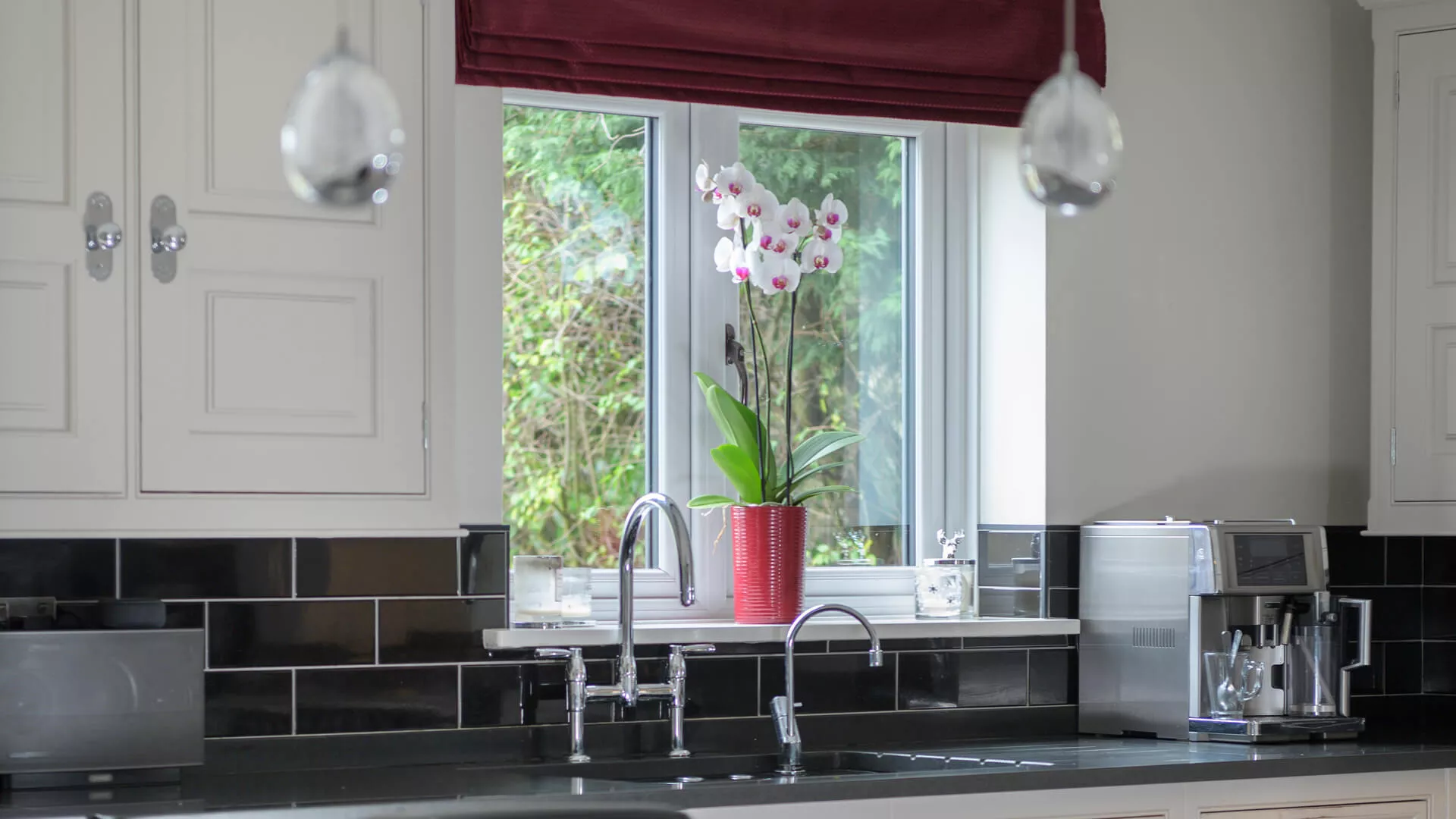
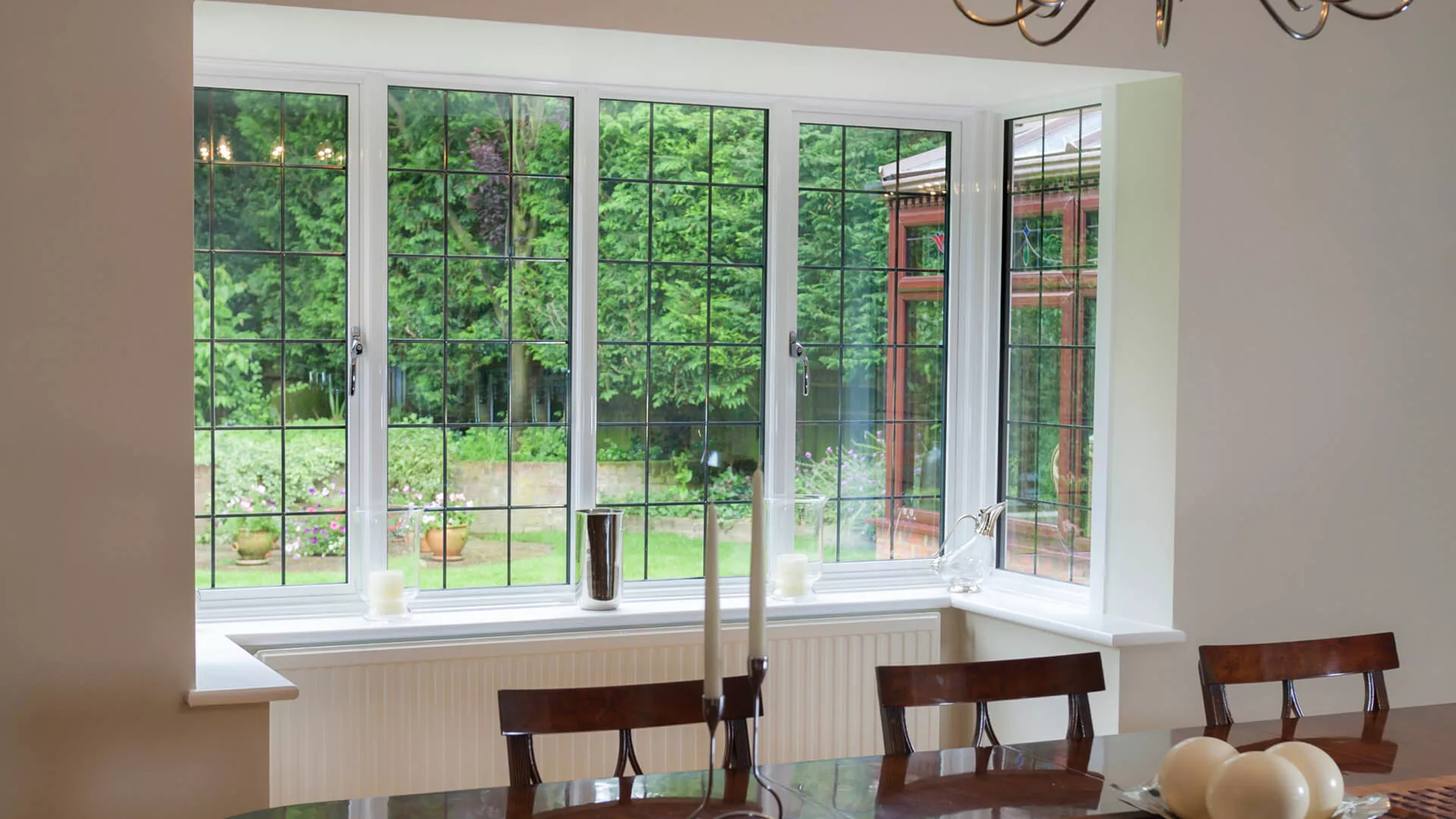
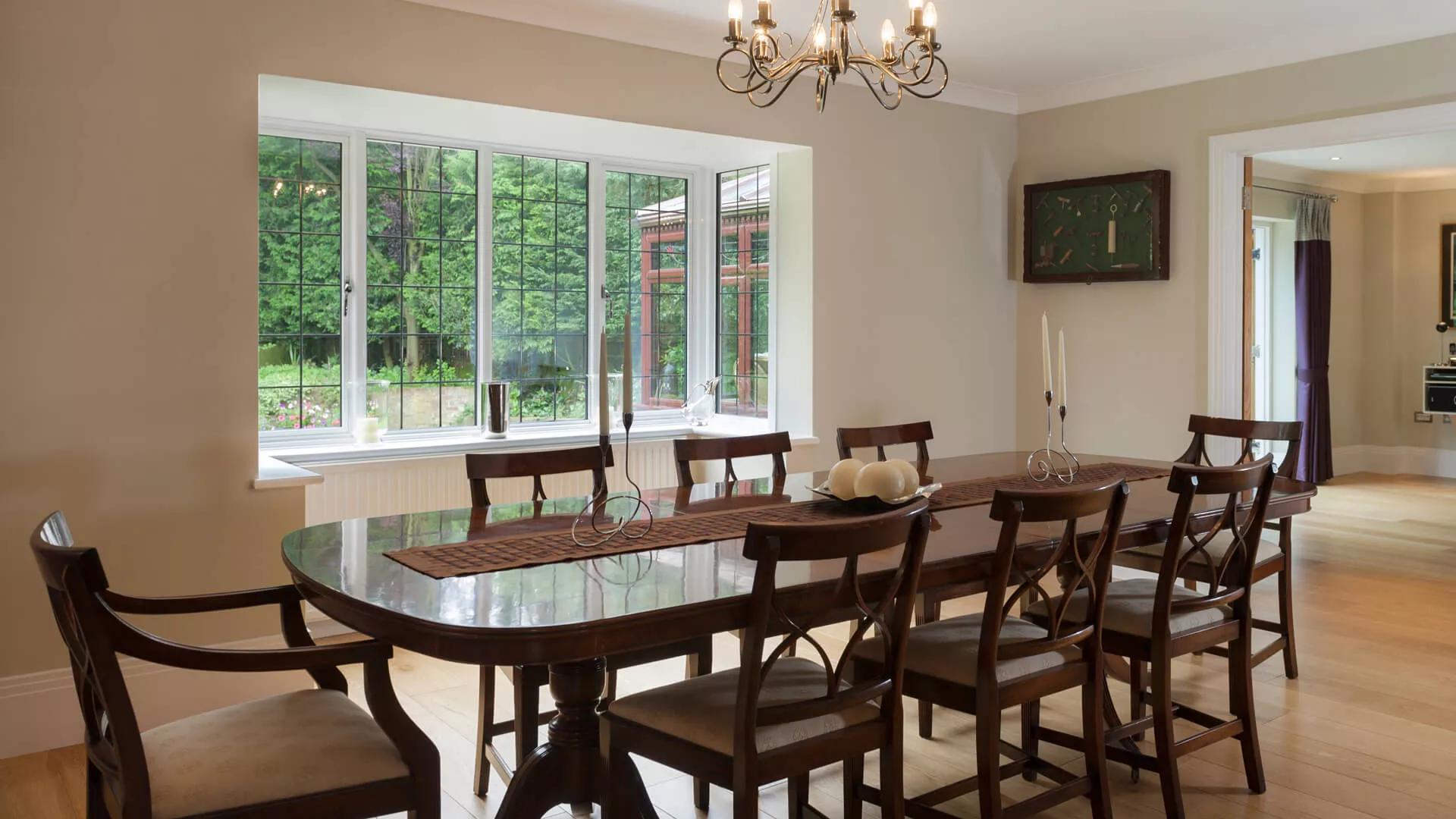
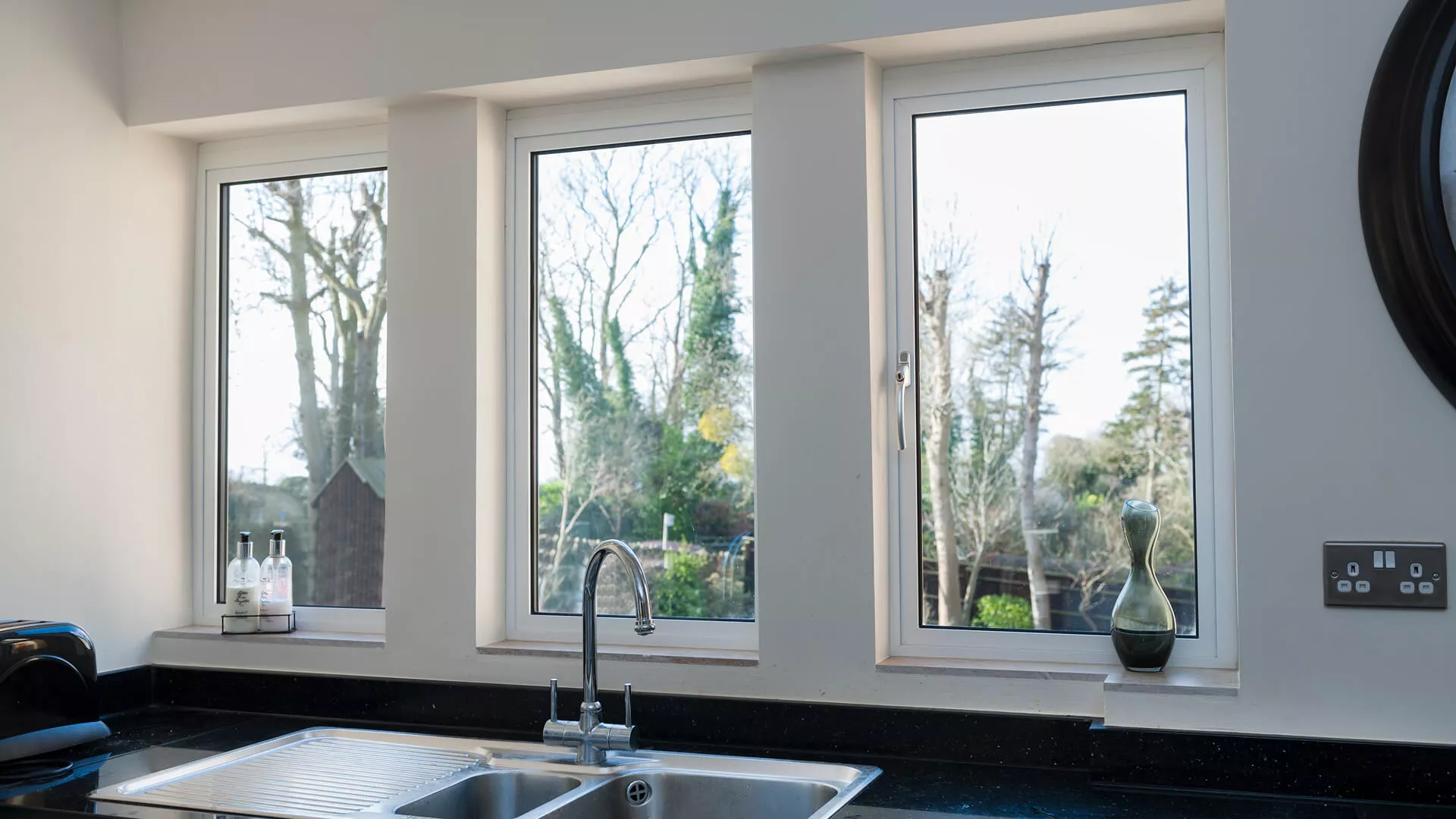
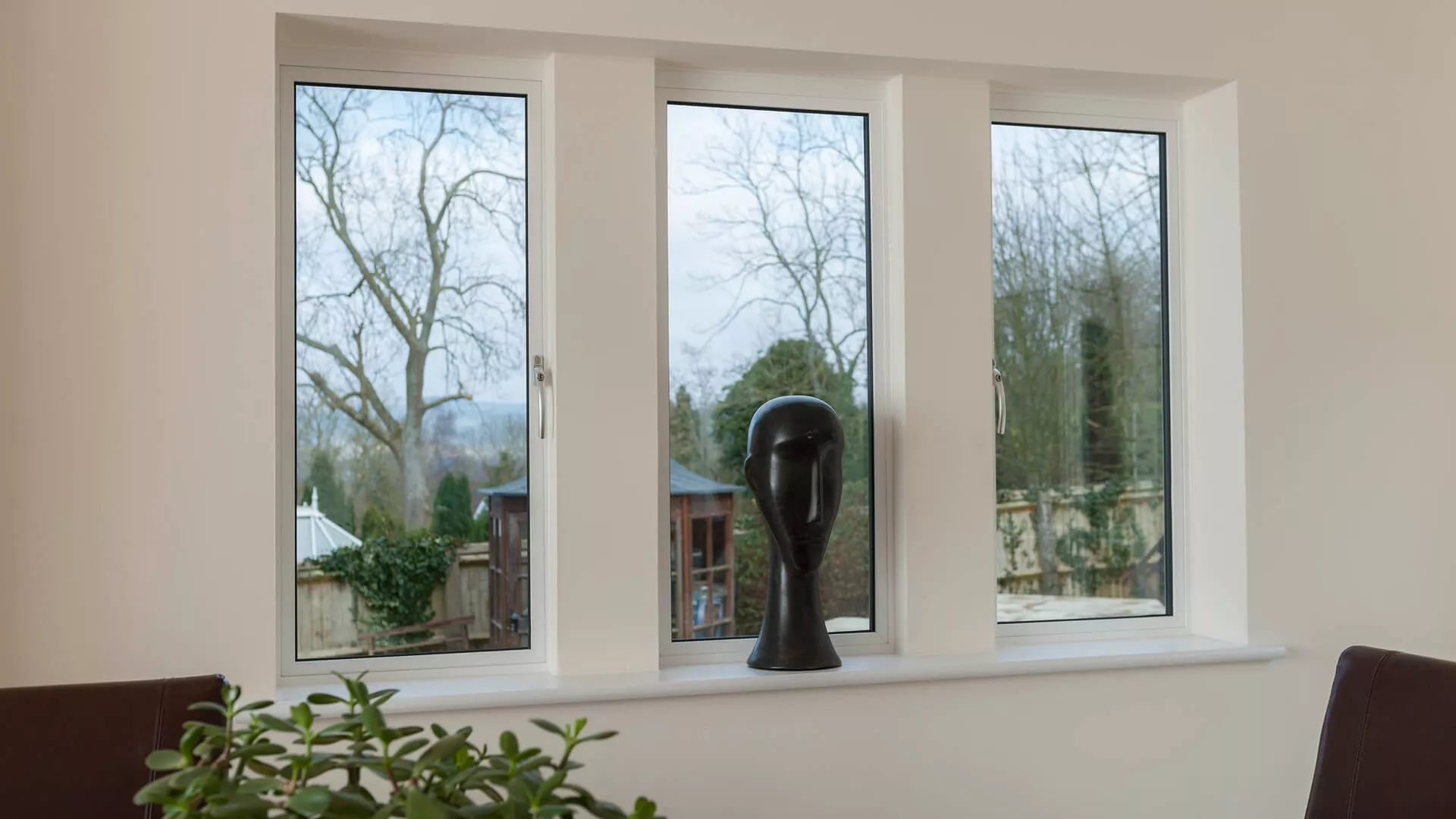
Aluminium windows encapsulate contemporary design, exuding class with ultra-slim frames that provide massively undisturbed sightlines. They’re able to have such a slim frame composition and support large glazed facets because of possessing considerable strength. People often choose aluminium windows for modern dwellings and when optimum light gain is wanted.
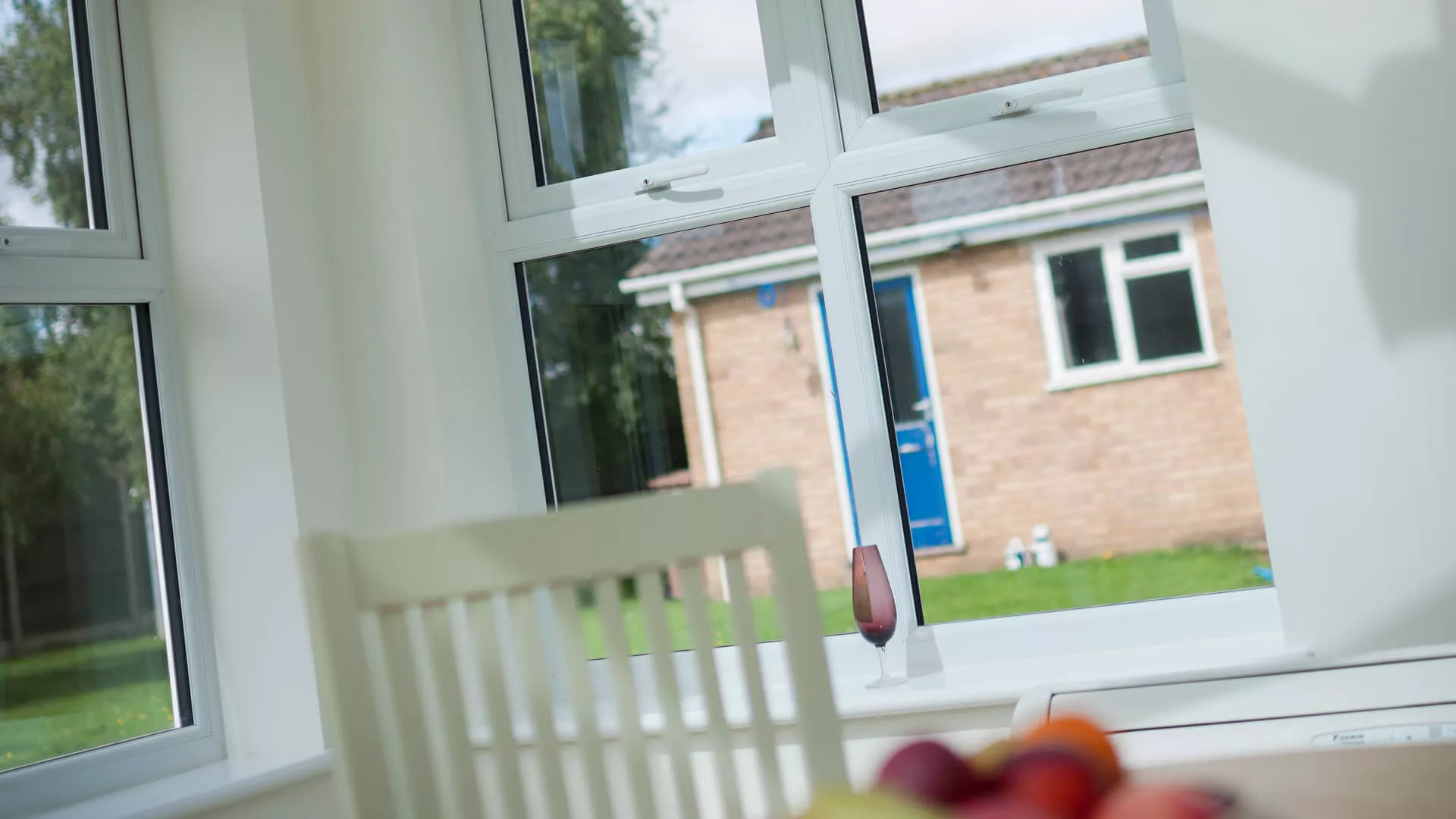
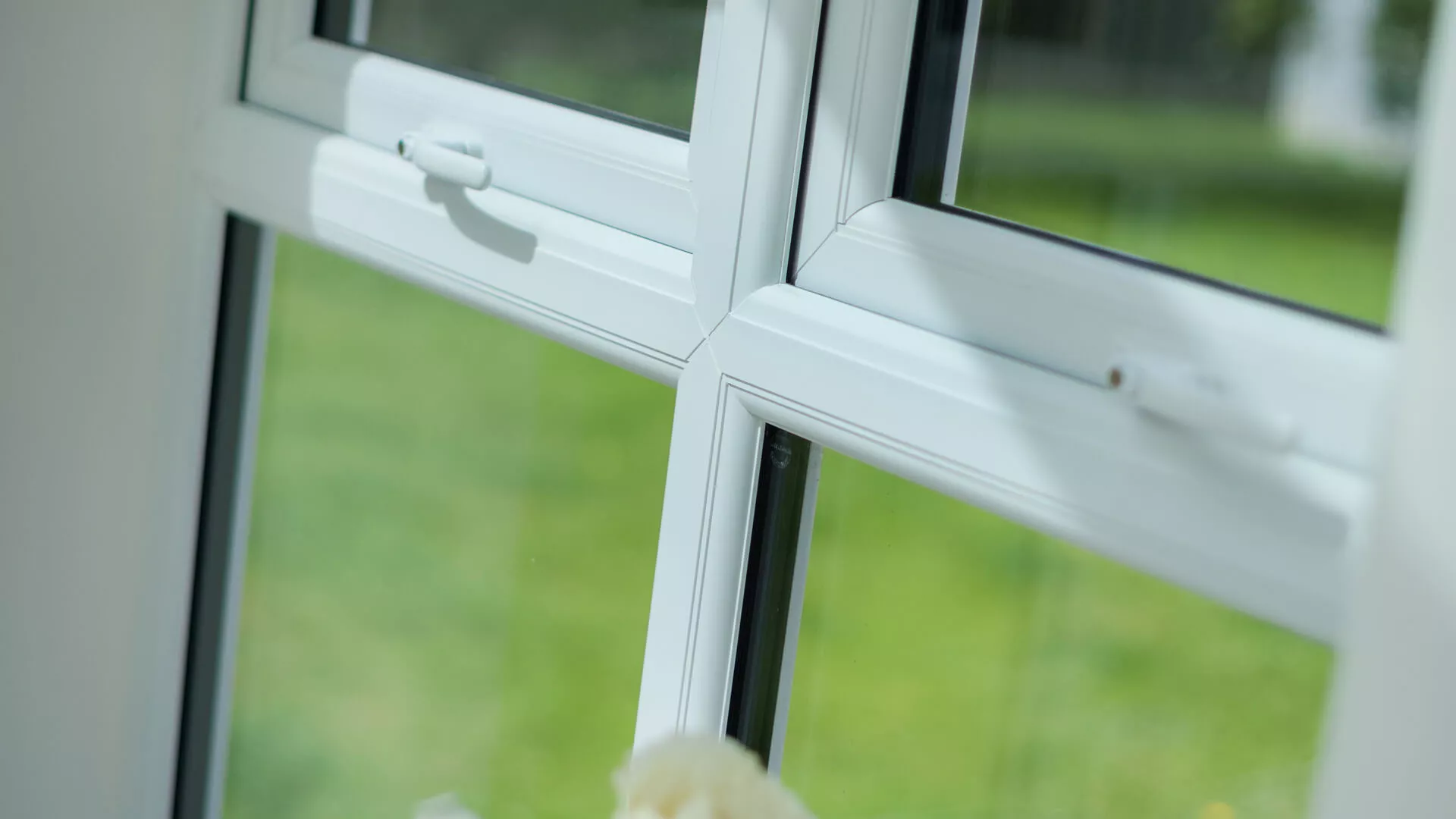
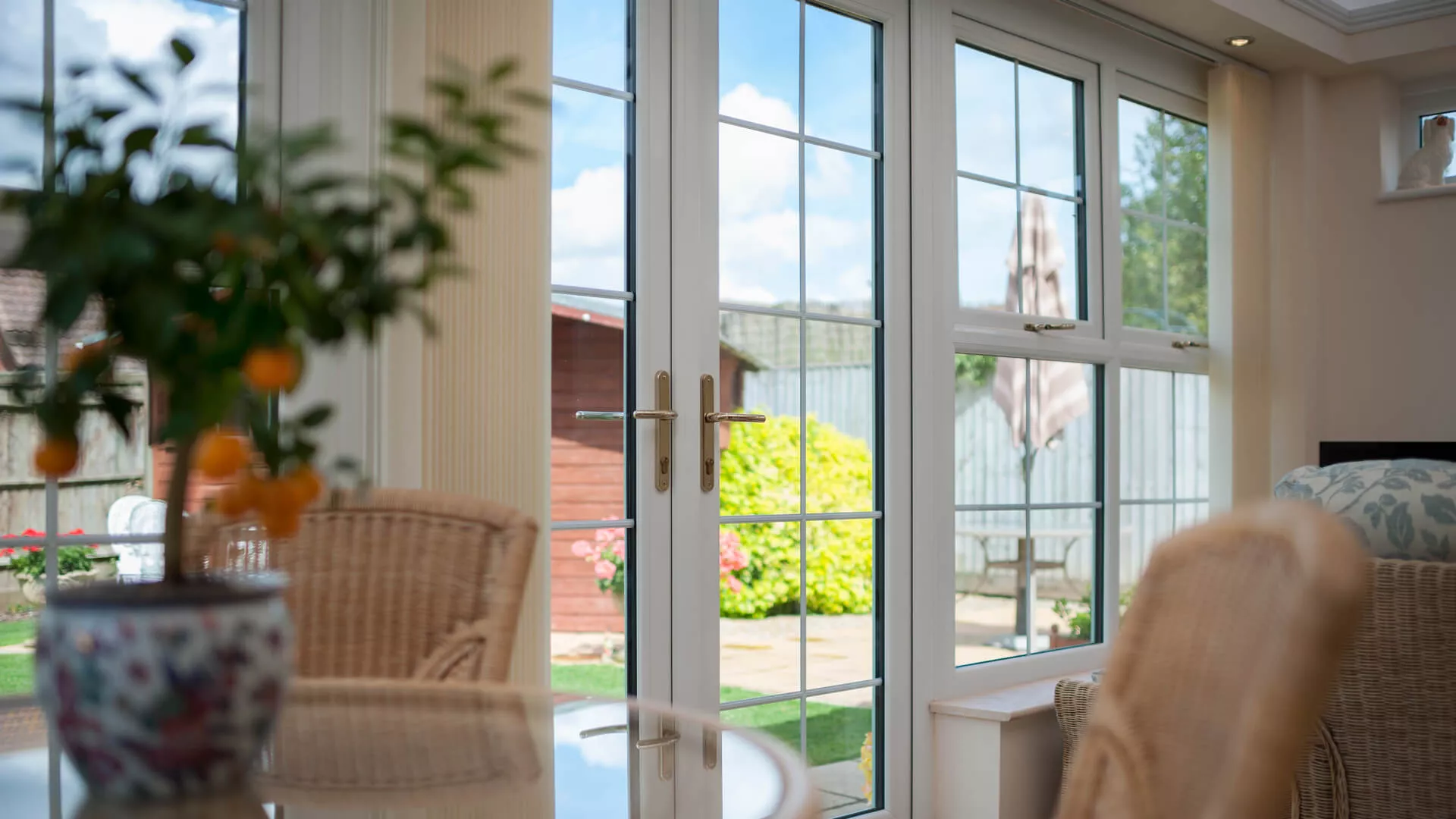
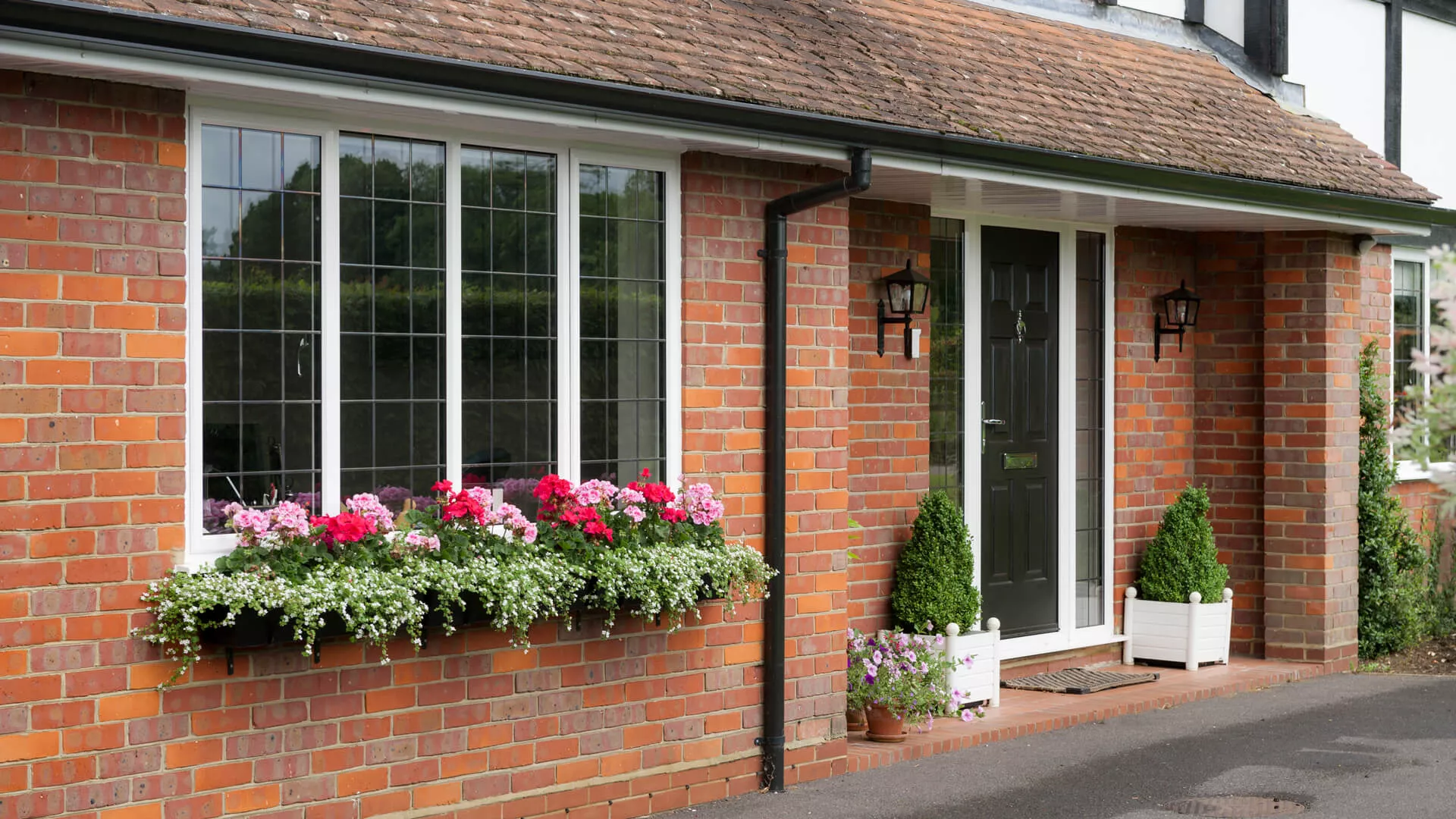
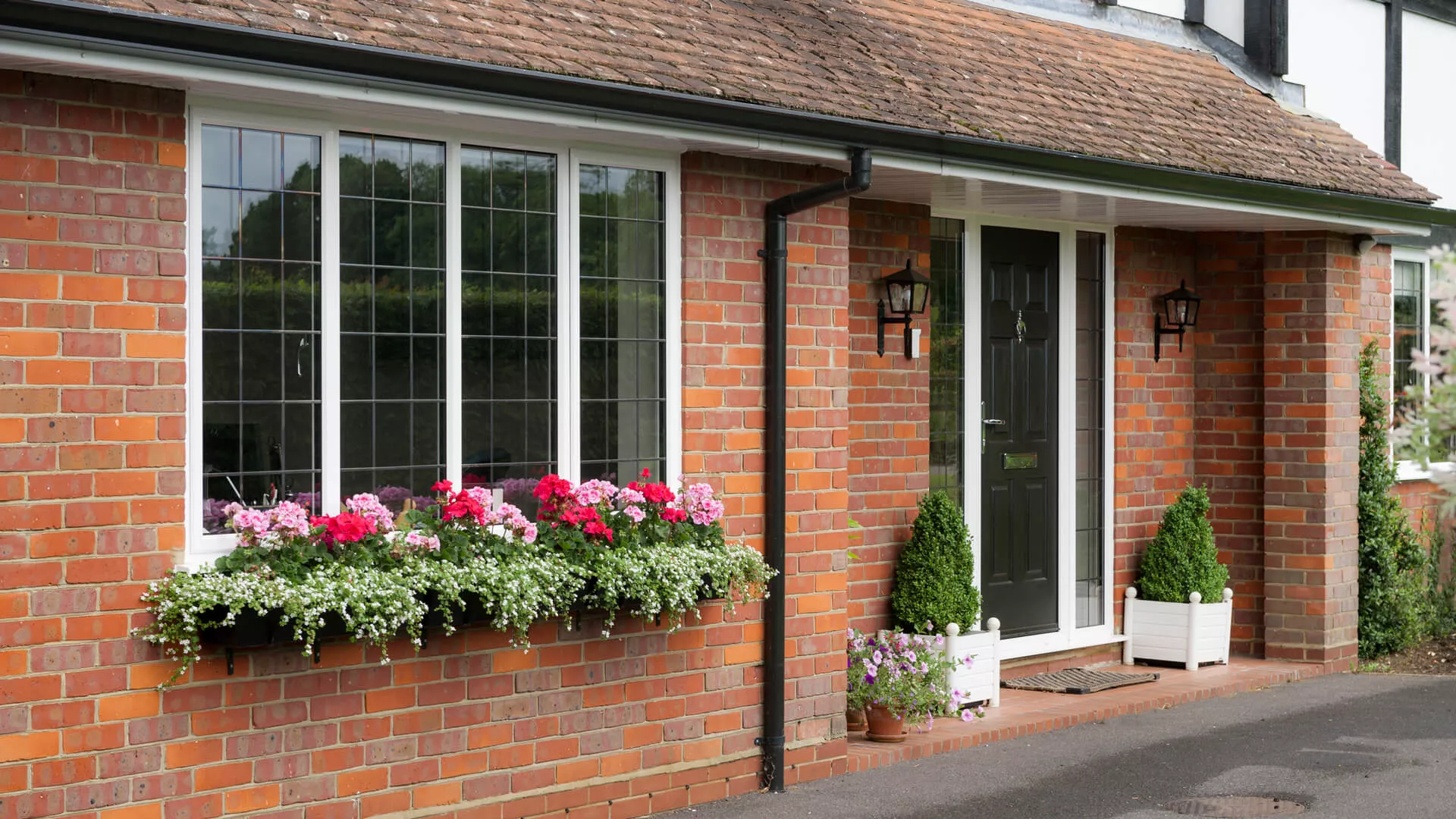
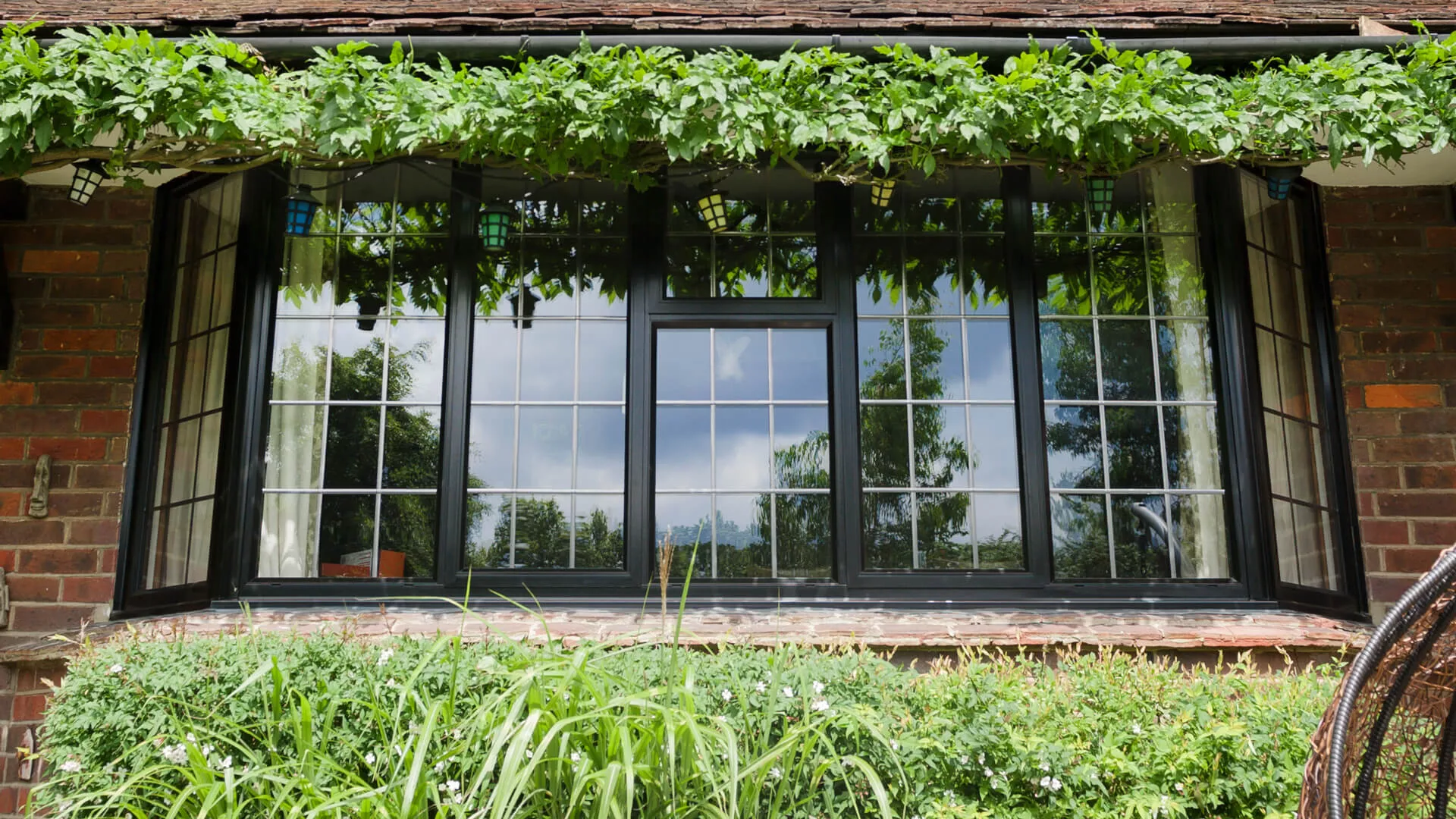
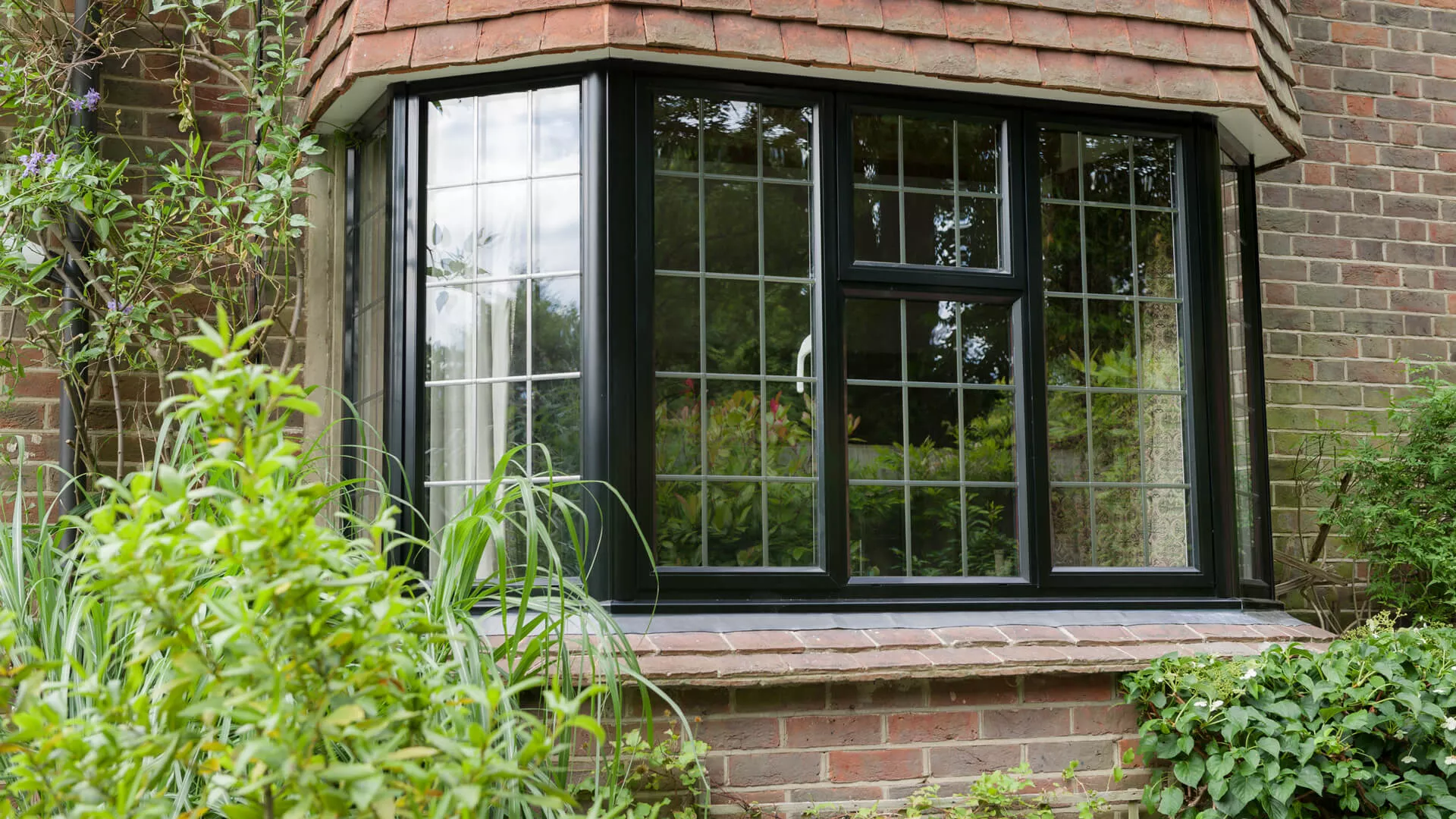
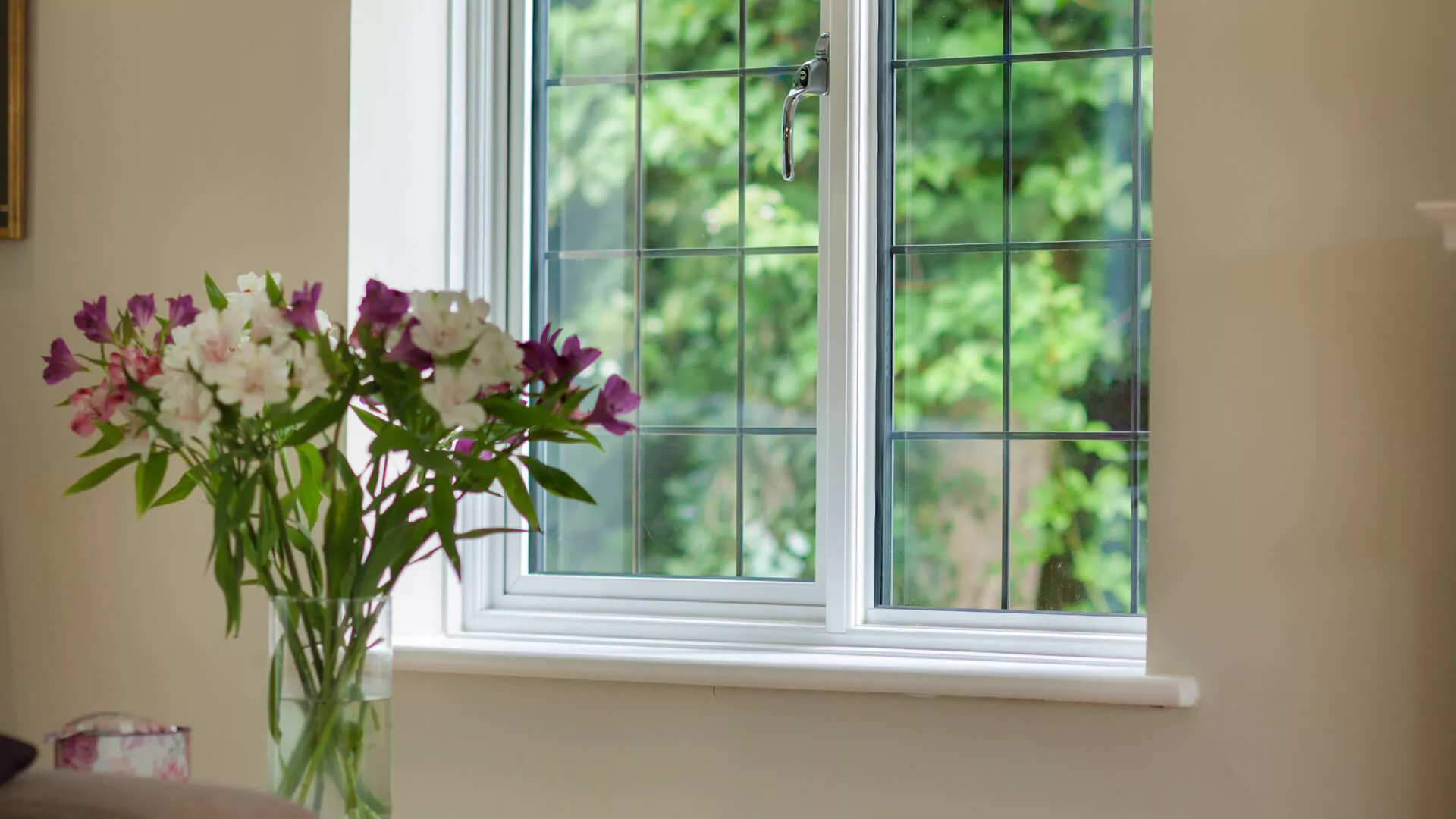
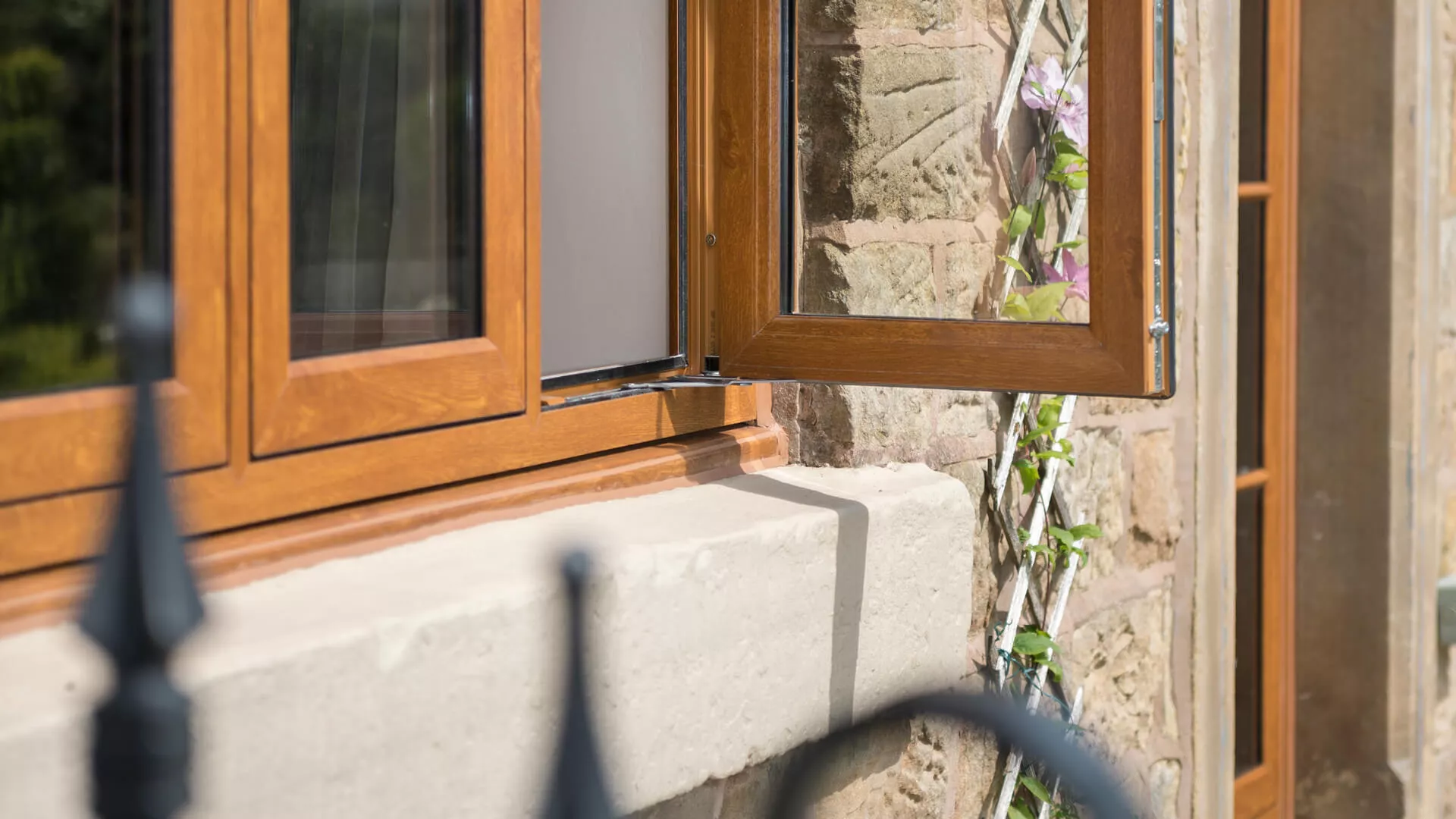
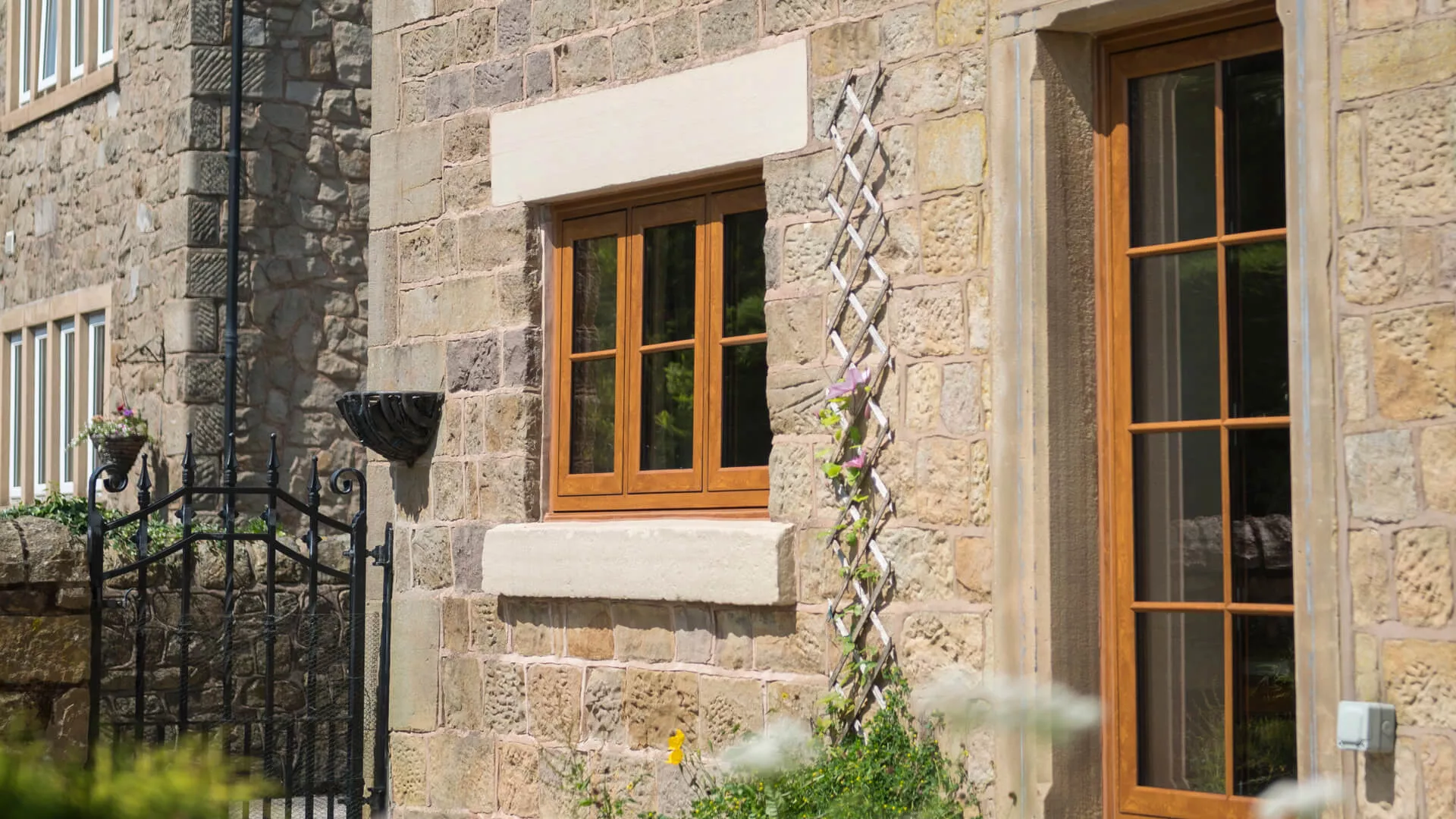
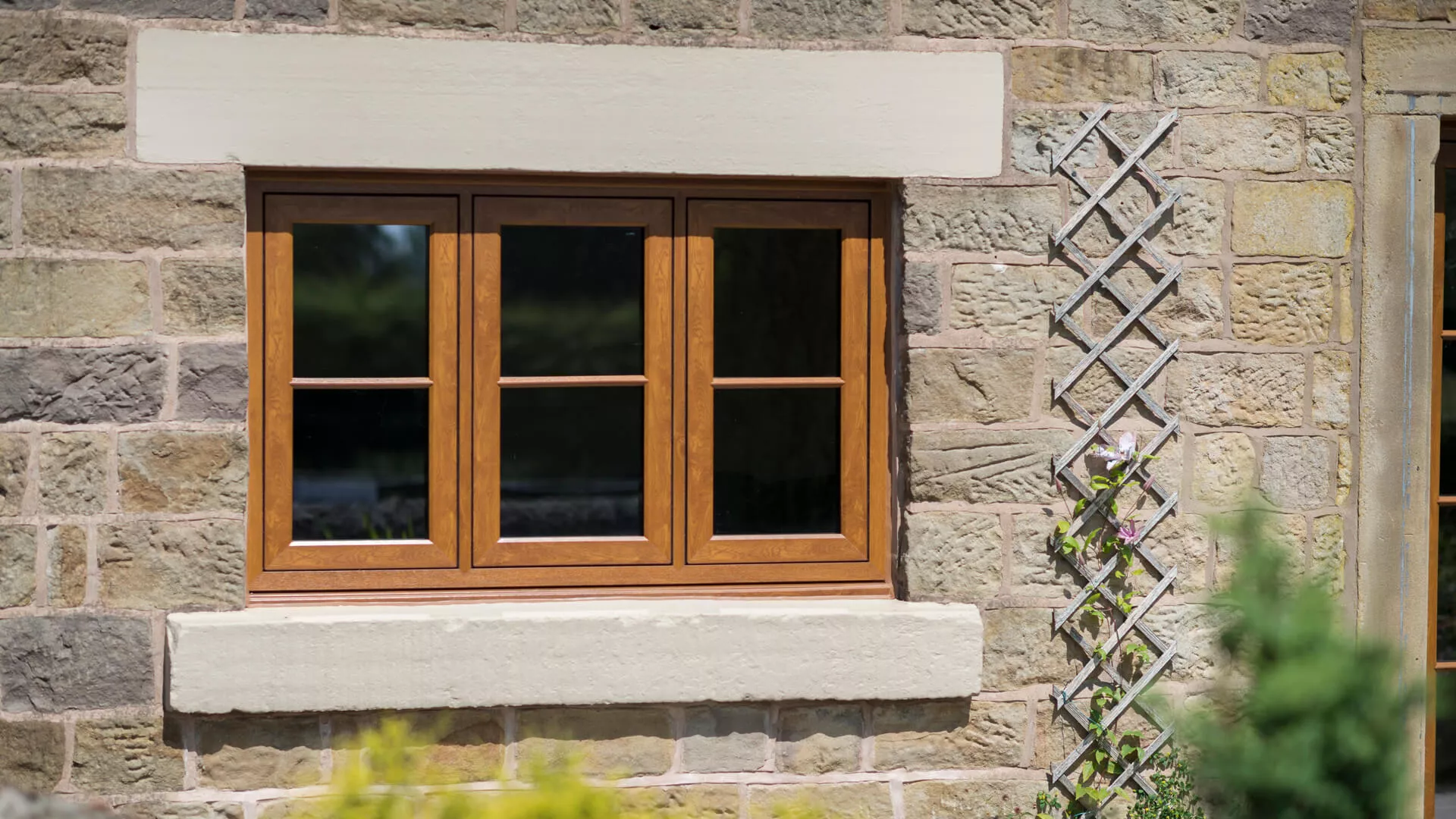
UPVC windows can echo the appearance of classic wooden windows and subsequently suit traditional and period homes. Adoption of woodgrain foil finishes into UPVC material creates a traditional window aesthetic, with the bonus of UPVC being much simpler to treat than wood.
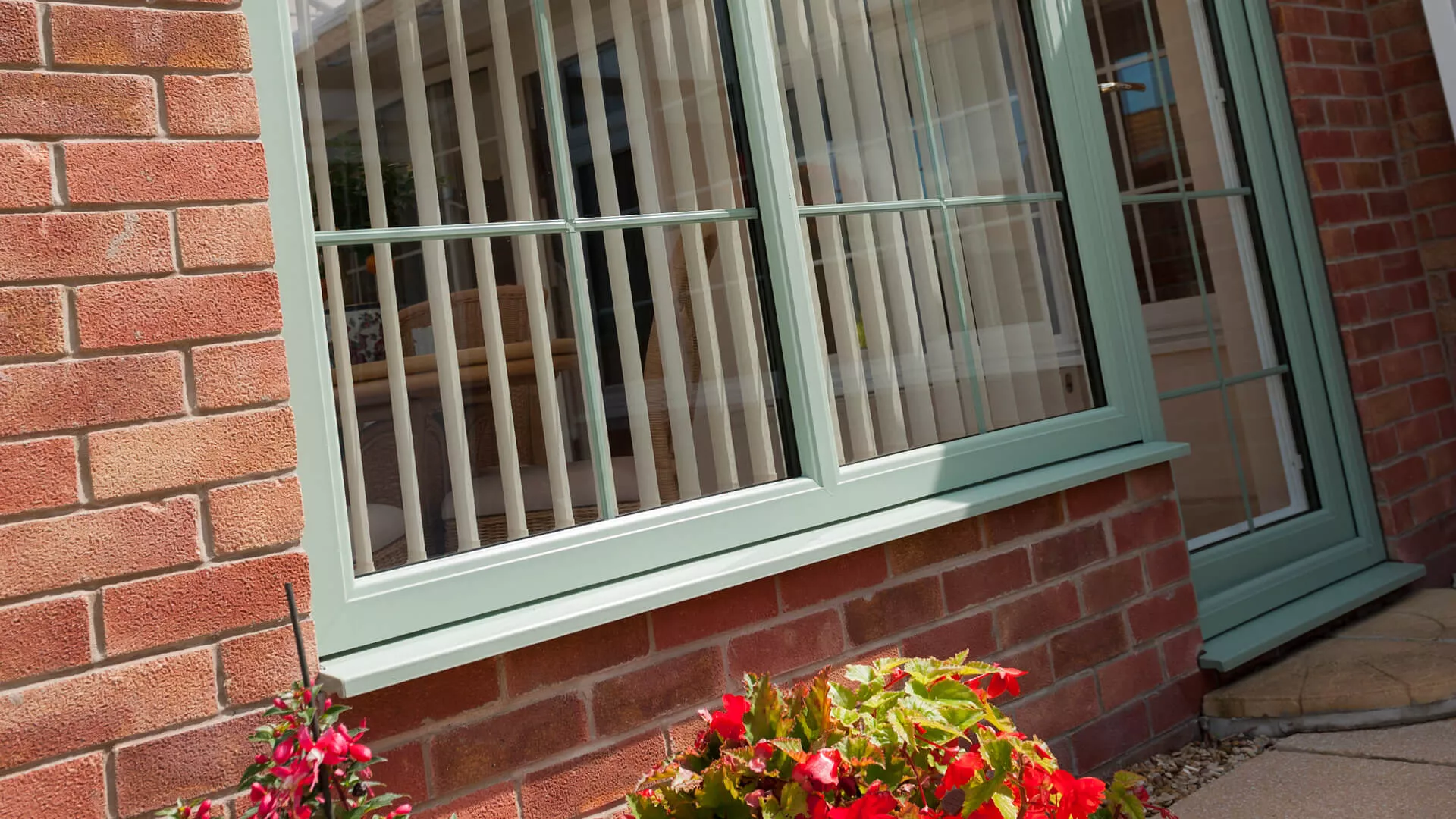
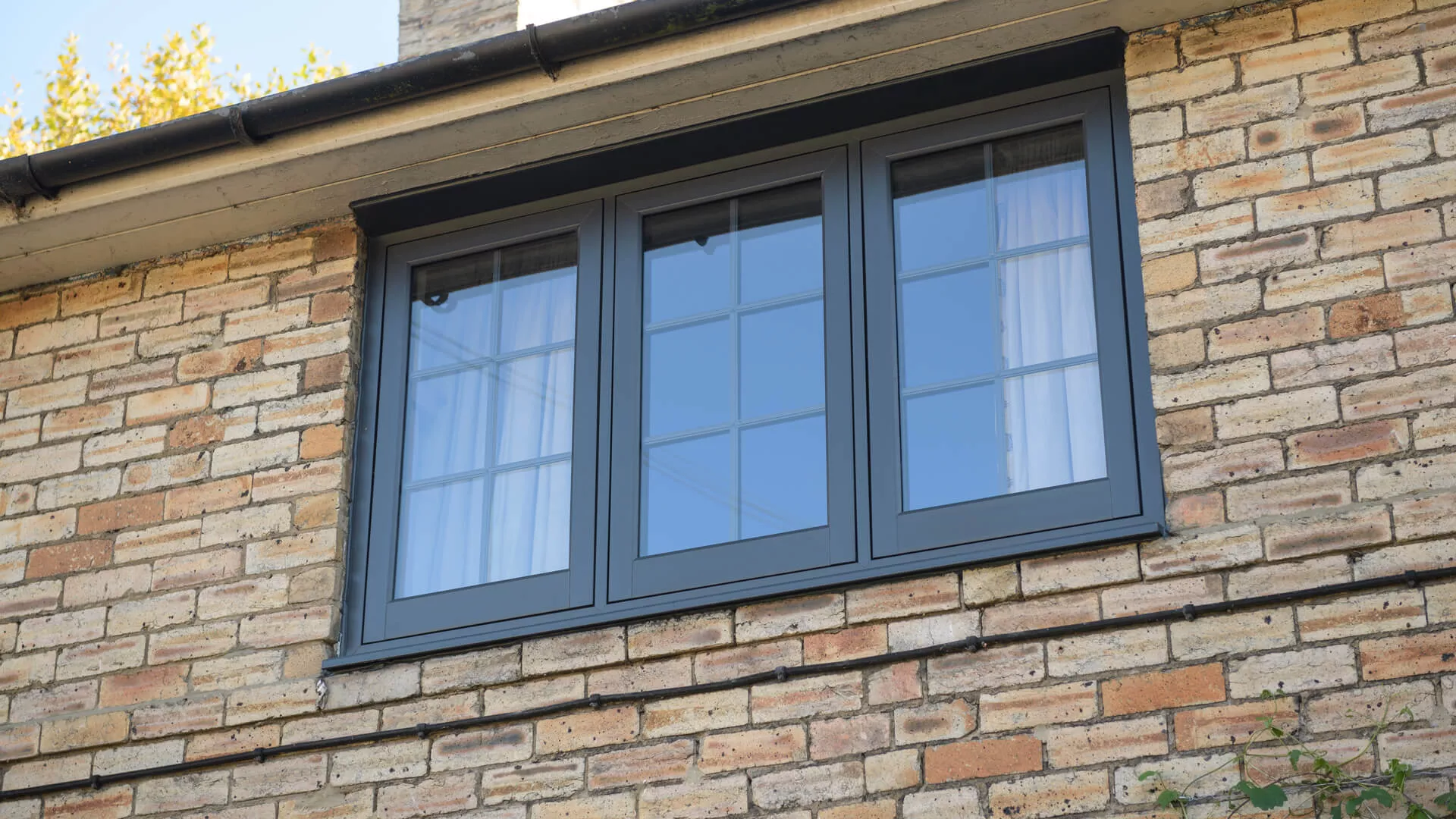
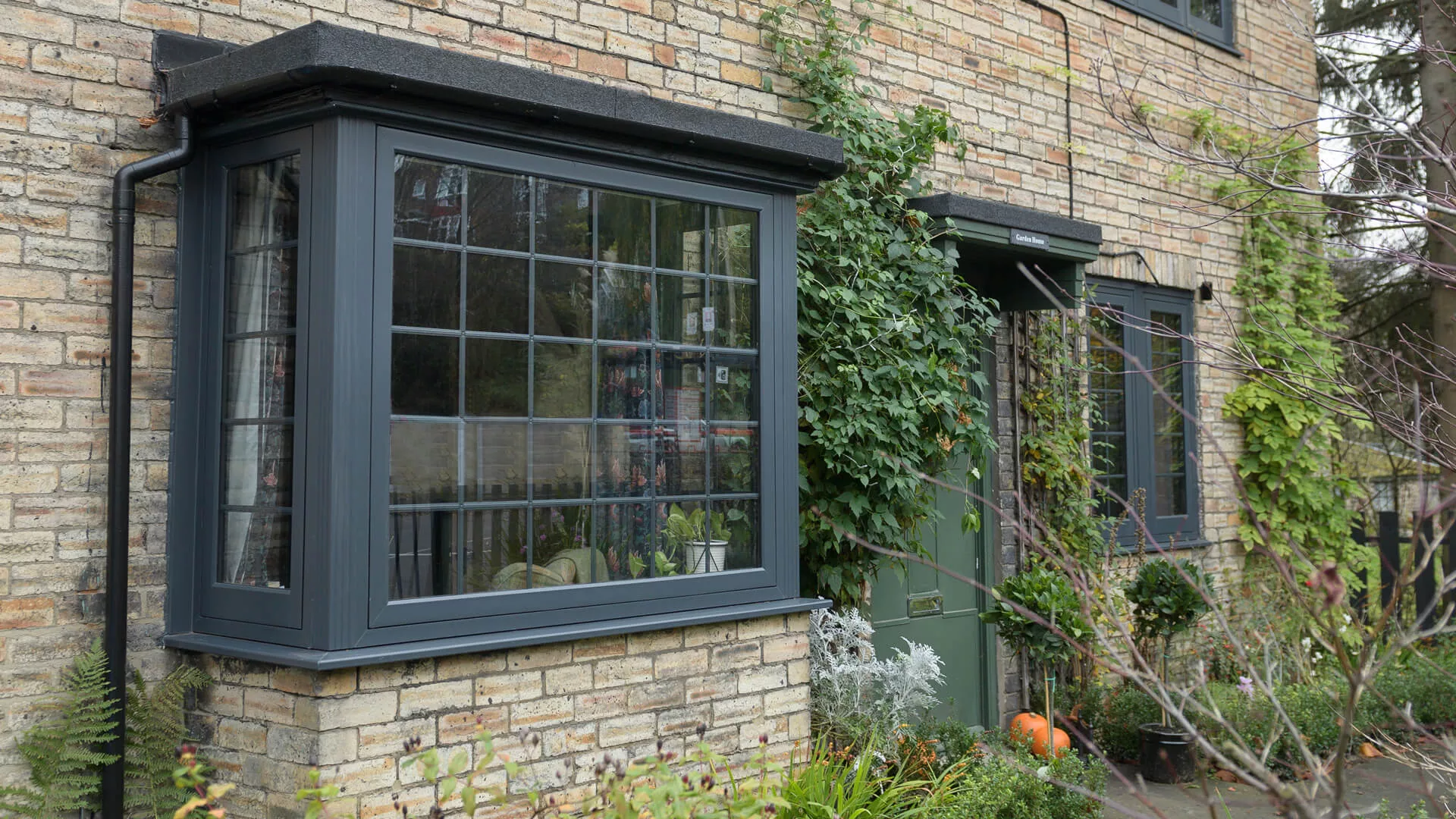
Practically any RAL colour can be recreated for powder-coated application onto aluminium frames, ushering a legion of colour possibilities.
There’s a limited choice of foil finishes for UPVC, but they include a good mix of woodgrain effects and contemporary tones.
For the best of both worlds, you could always unite the two materials around the house – an aluminium bi-folding door or sliding door twins nicely with UPVC window frames if they’re finished in complementary colours.
How Best To Choose A Window Material?
Settling on aluminium vs UPVC energy efficient windows should be ruled by what you care most about.
We’ve compiled a priority list to help you uncover the answer:
- Cost
UPVC wins in the affordability category. It’s certainly worth paying more for aluminium though if you’re after sleek aesthetics and increased durability. - Longevity
Aluminium endures for a longer period than UPVC and won’t weaken over the course of its lengthy life. In spite of its shorter lifespan, UPVC still performs to a commendable standard. - Maintenance
Maintenance requirements for both materials are extremely low. Fading and corrosion won’t set in with aluminium frames as their powder-coated finishes stop their emergence, and UPVC just needs the odd clean. - Energy Efficiency
Well specified modern thermally broken aluminium windows and multi-chambered UPVC soundproof windows deliver top-class thermal and acoustic performance. - Environmental Credentials
You can recycle aluminium over and over and it survives for decades, while UPVC insulates really well and will cut energy consumption. - Security
A tough window frame alone won’t guarantee your safety, as it needs to be accompanied with secure hardware, like a multi-point lock and robust glazing. - Aesthetics
Anyone who appreciates contemporary design will be charmed by aluminium’s alluring look. UPVC can mirror the appearance of timber with woodgrain colours.
Also, don’t forget these important points:
- Compare quotes between installers, obtaining at least three of them to understand the cost of aluminium windows vs upvc UK.
- Note the U-values of windows, glazing types, PAS 24 certifications and product guarantees.
- Go out to different showrooms for a look at replacement windows and ask to see installation examples.
Our goal with this article is to help you ascertain UPVC vs aluminium windows which is better to buy for your personal circumstances and we hope we’ve succeeded in doing that.
Dive deeper into the subject by connecting with one of Bon Accord’s knowledgeable advisors at a design appointment.
Want to speak with an Advisor? Give us a call on 01224 588944
Our friendly team will be pleased to help with any questions you may have.