
Window Design Ideas: A Room-by-Room Guide for Modern Homes
Choosing windows is about far more than how they look. While visual appeal plays a role, real performance is dictated by location, usage and the demands of each space.
Factors such as airflow, privacy, sound insulation and daylight control all influence how effective a window is once it becomes part of everyday life.
This guide explores window design ideas on a room-by-room basis, helping homeowners move away from uniform choices and towards window designs for house layouts that genuinely support how each room is lived in.
Request Your Free Window Quote
Simply fill in your details for your free, no obligation quotation
Not All Windows Should Be the Same
Why Room Purpose Makes a Difference to Window Selection
Many homeowners can point to at least one window-related irritation: a kitchen window that’s difficult to reach over a sink, a bedroom disturbed by passing traffic, or a bathroom that struggles with persistent damp. In most cases, these problems arise from applying the same window design throughout the home without considering how individual rooms operate.
Each space places different expectations on its windows. Kitchens depend on effective ventilation and straightforward operation, bedrooms require quietness and discretion, and bathrooms must cope with moisture while maintaining privacy. Living rooms, by contrast, balance light, outlook and thermal comfort.
If you’re curious how long do windows last, recognising these distinctions is essential when selecting window designs for a house that will perform reliably over time. This room-by-room approach allows each space to be assessed on its own merits rather than treated as part of a uniform scheme.
Living Room Windows – Creating Impact and Comfort
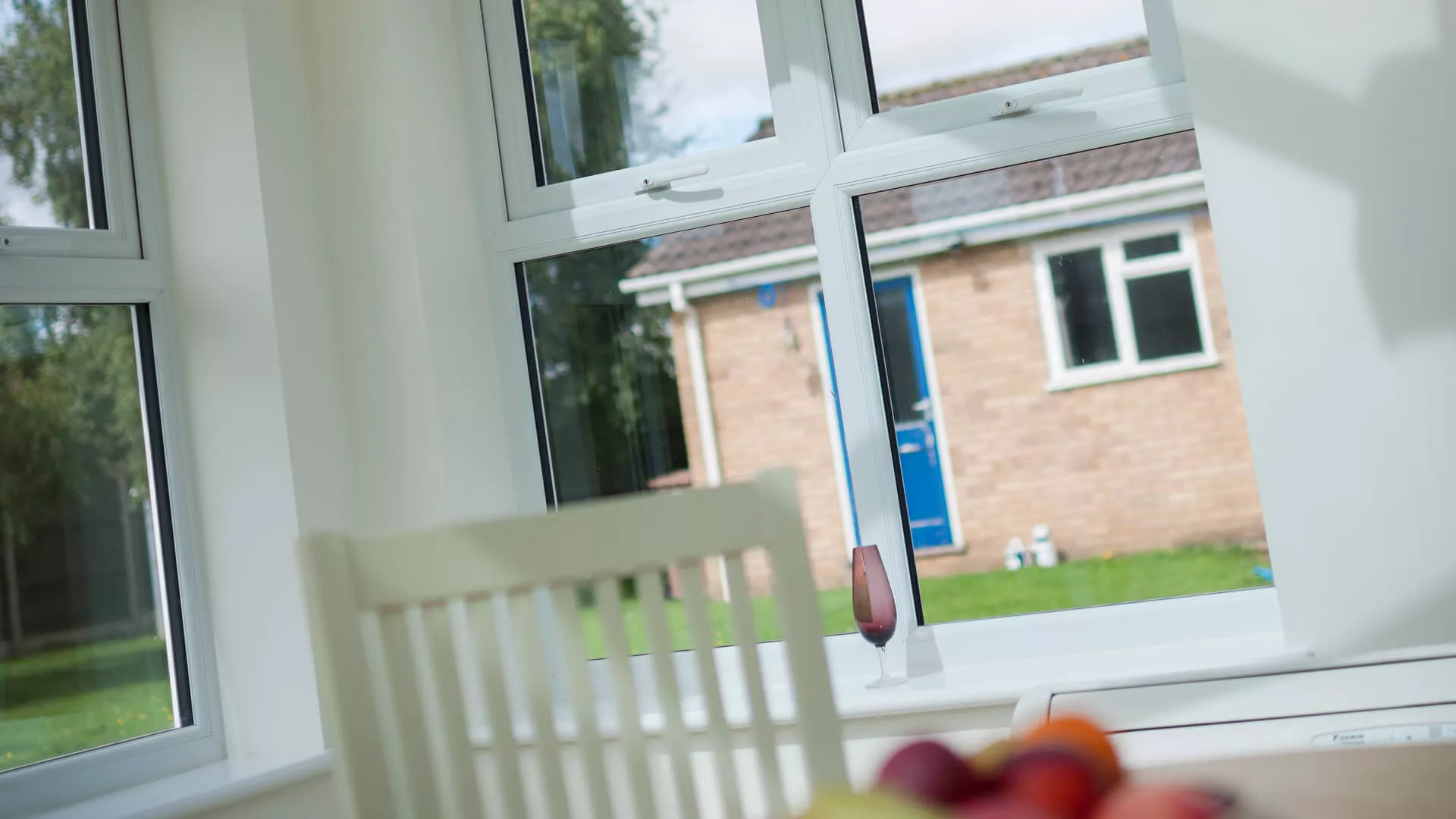
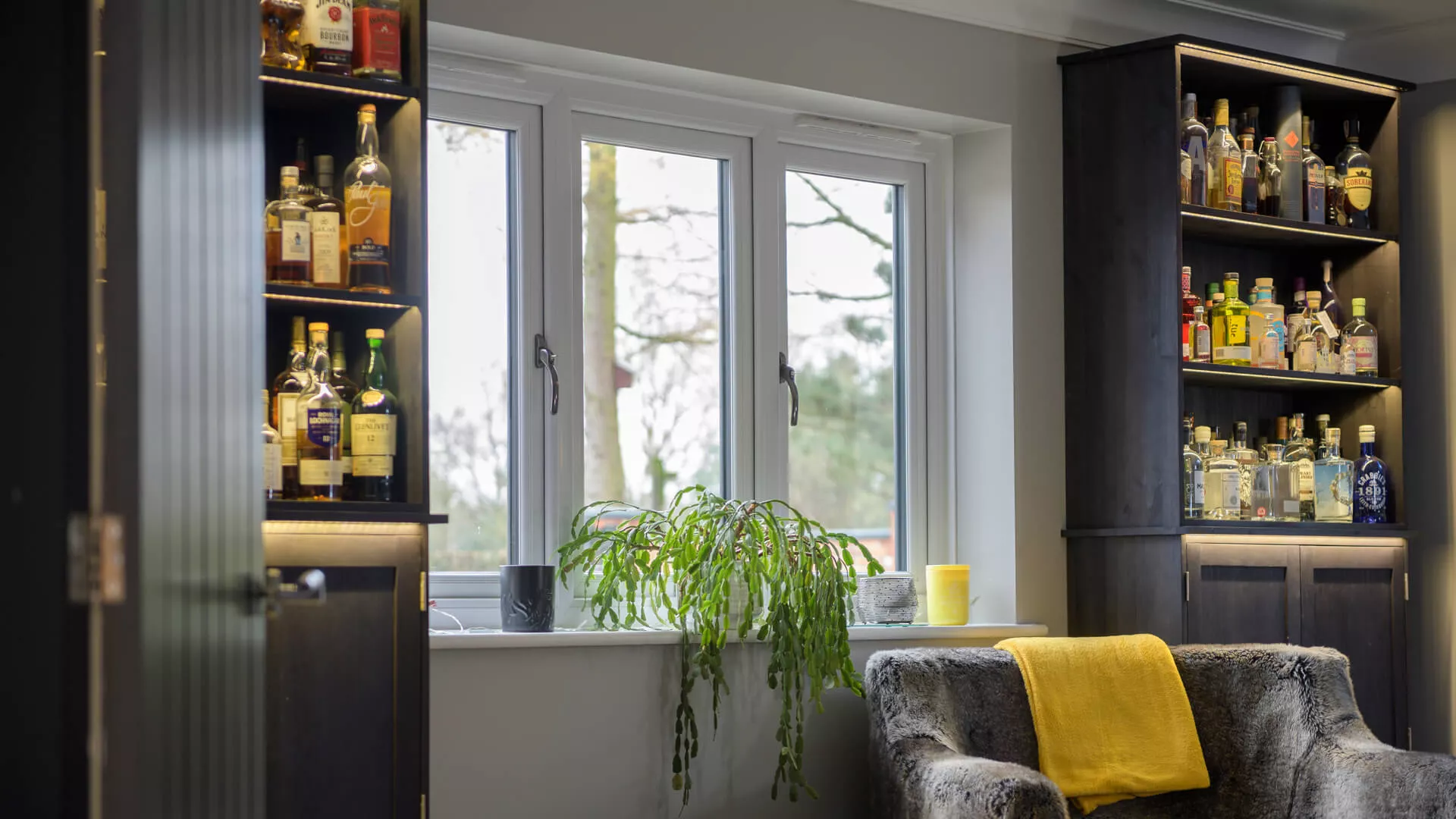
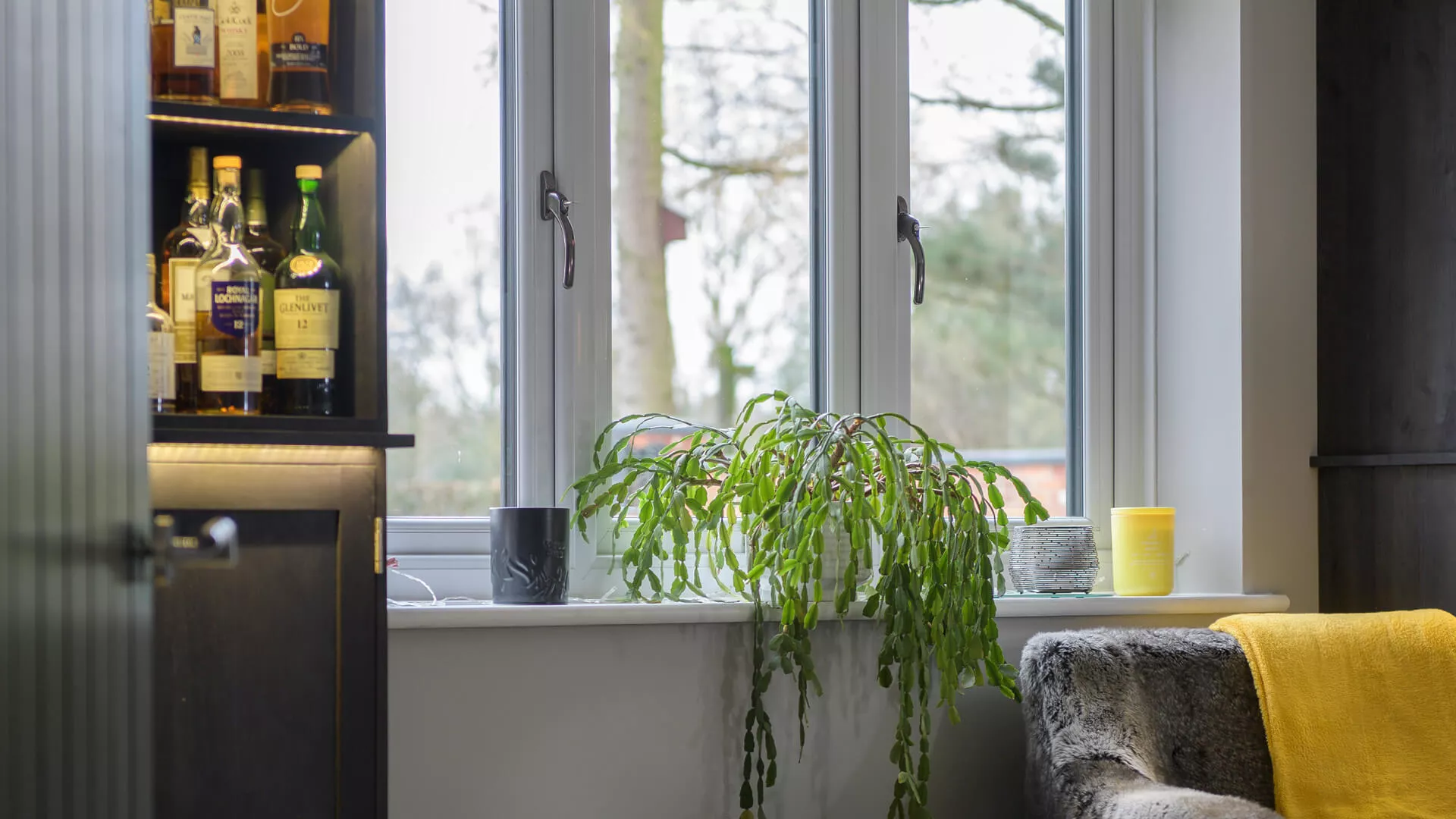
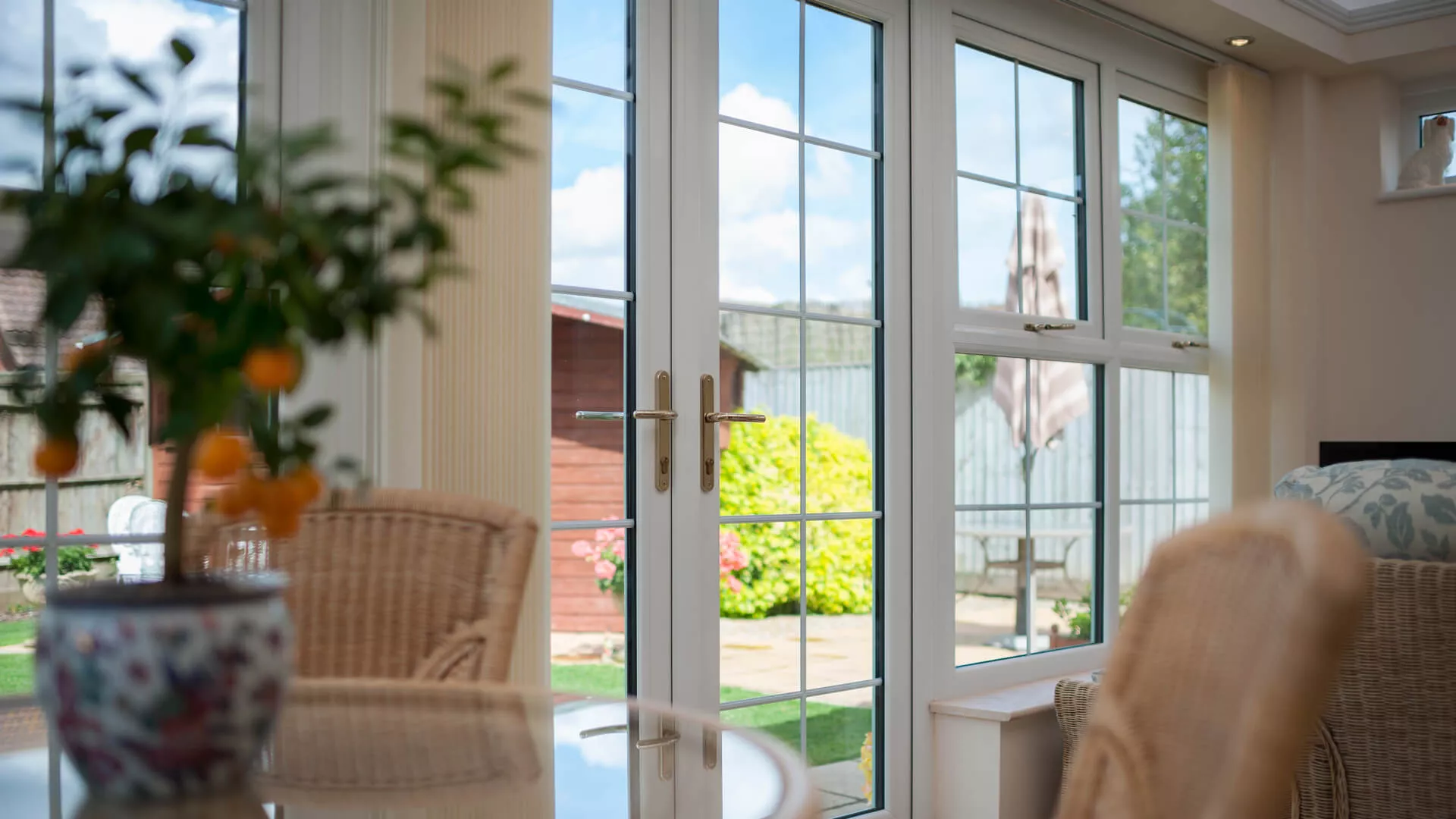
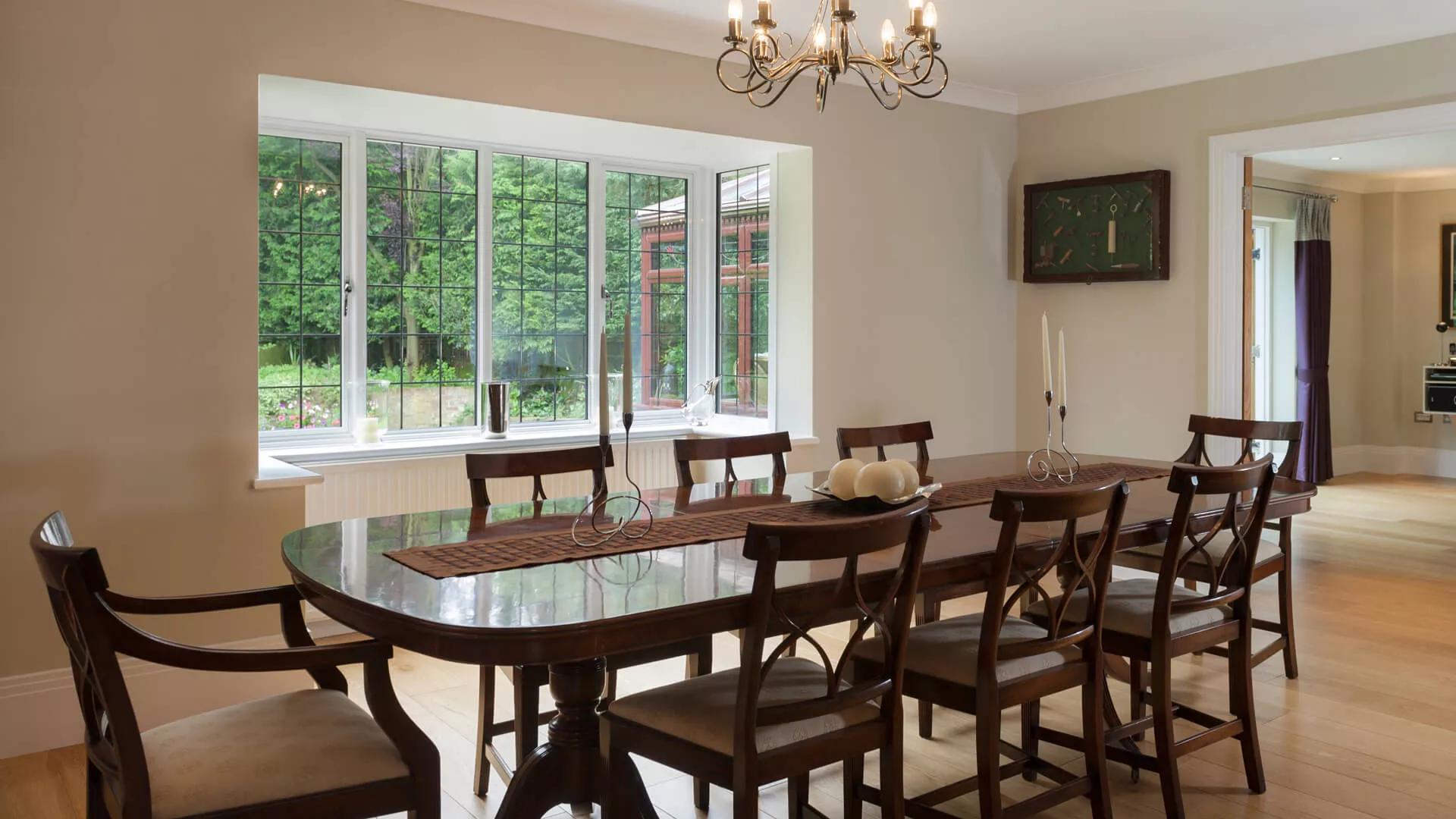
Living rooms are often the most prominent and frequently occupied rooms in a home. As such, window design here has a strong influence on ambience, daylight quality, views and overall comfort levels.
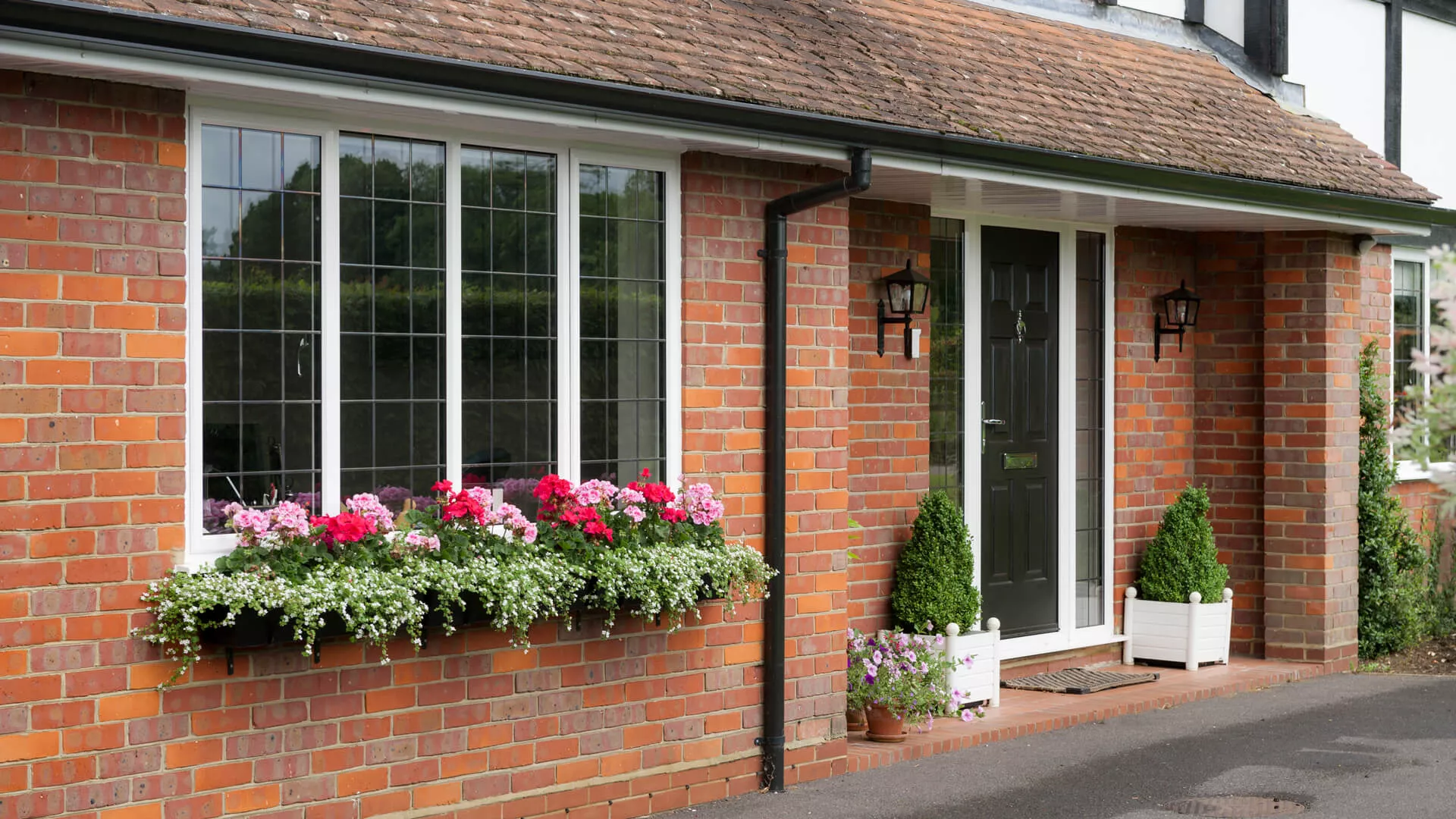
As shared spaces, living rooms also contribute heavily to first impressions. Thoughtful house window design can enhance architectural appeal while ensuring the room remains comfortable, well-lit and practical for daily use. This seems a logical point to also direct you to our article on upvc vs aluminium windows for more window-related advice.
Which Window Styles are Best Placed in Living Rooms?
A range of window styles suit living rooms, depending on the property layout and orientation:
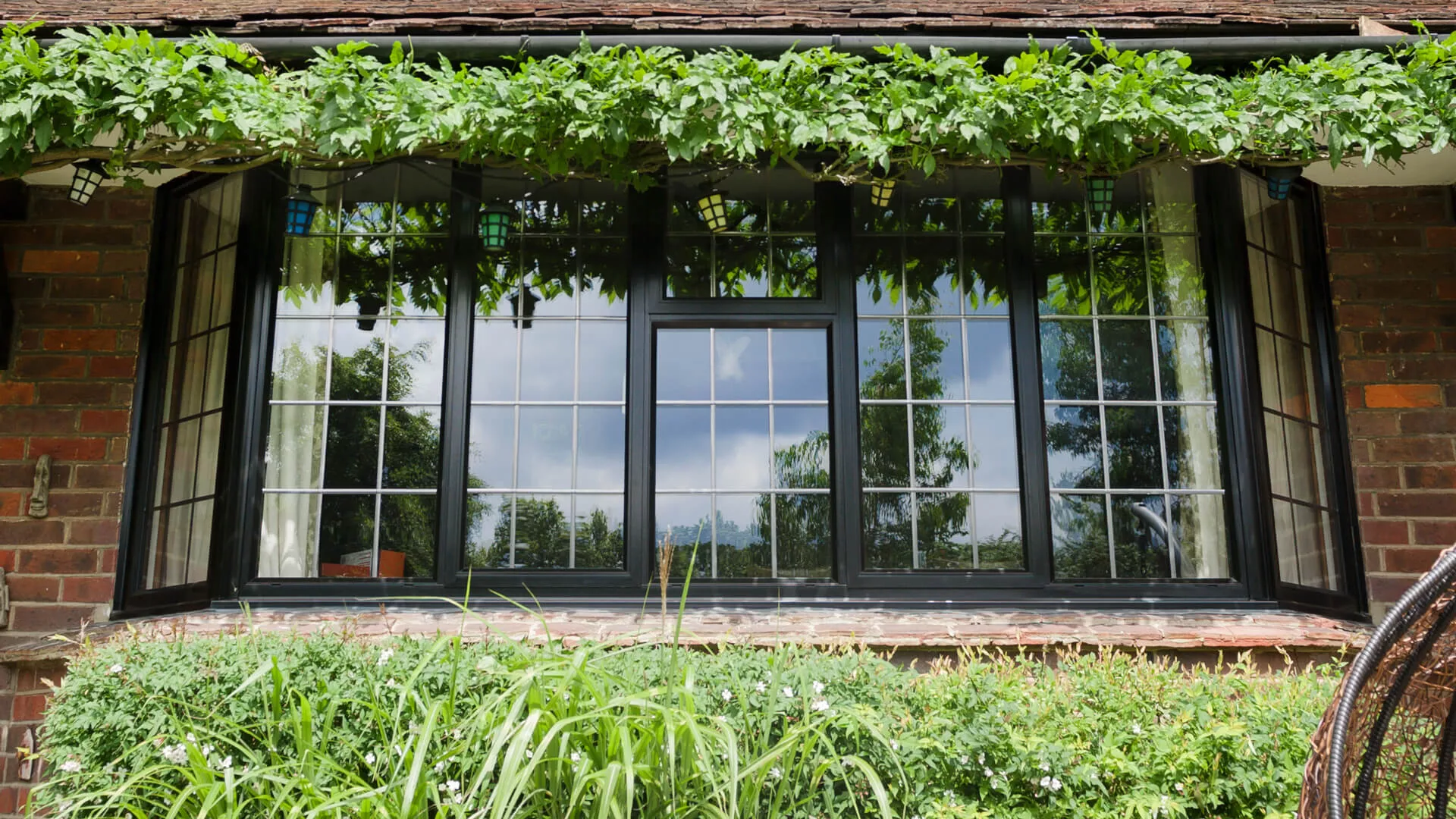
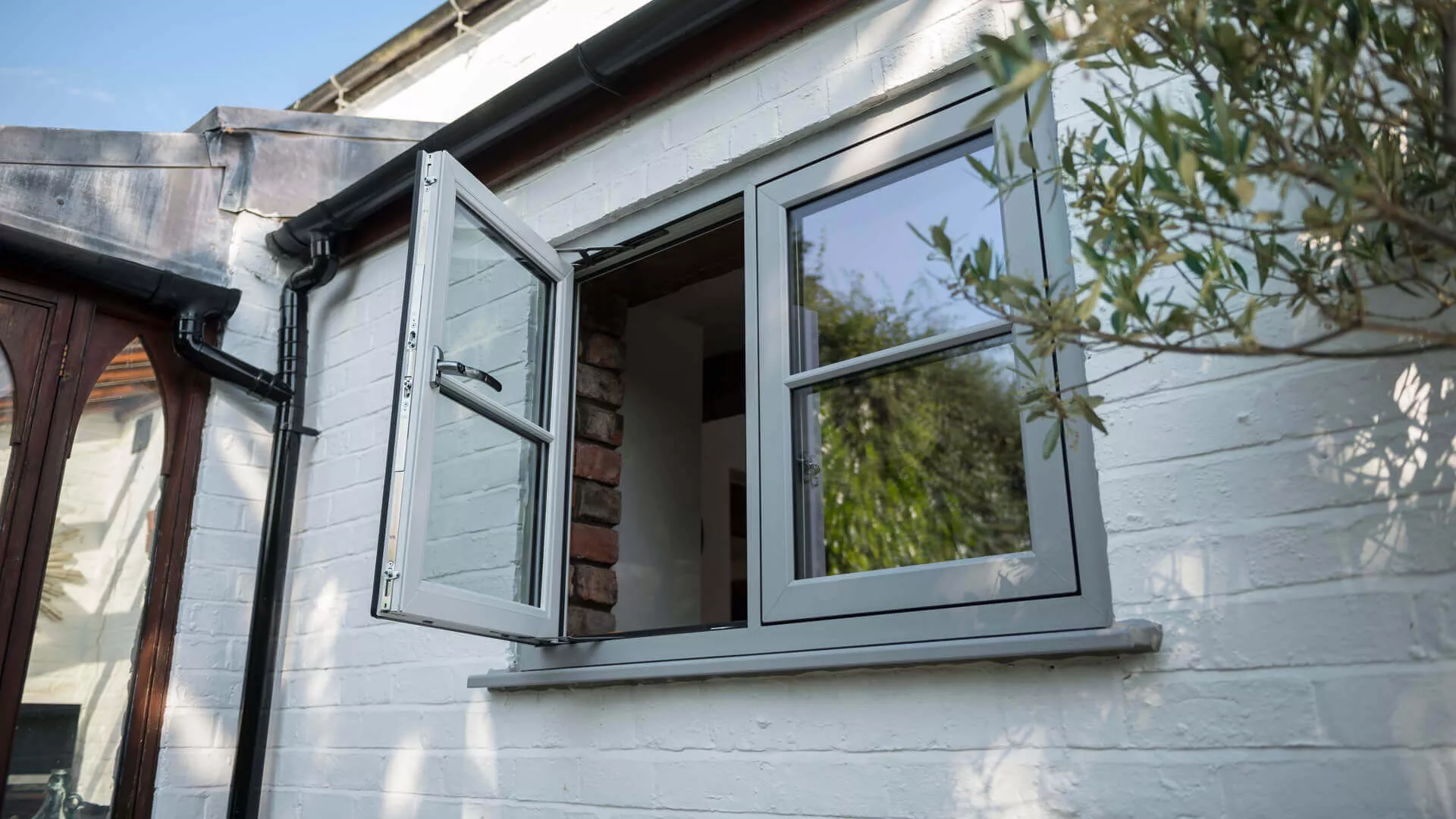
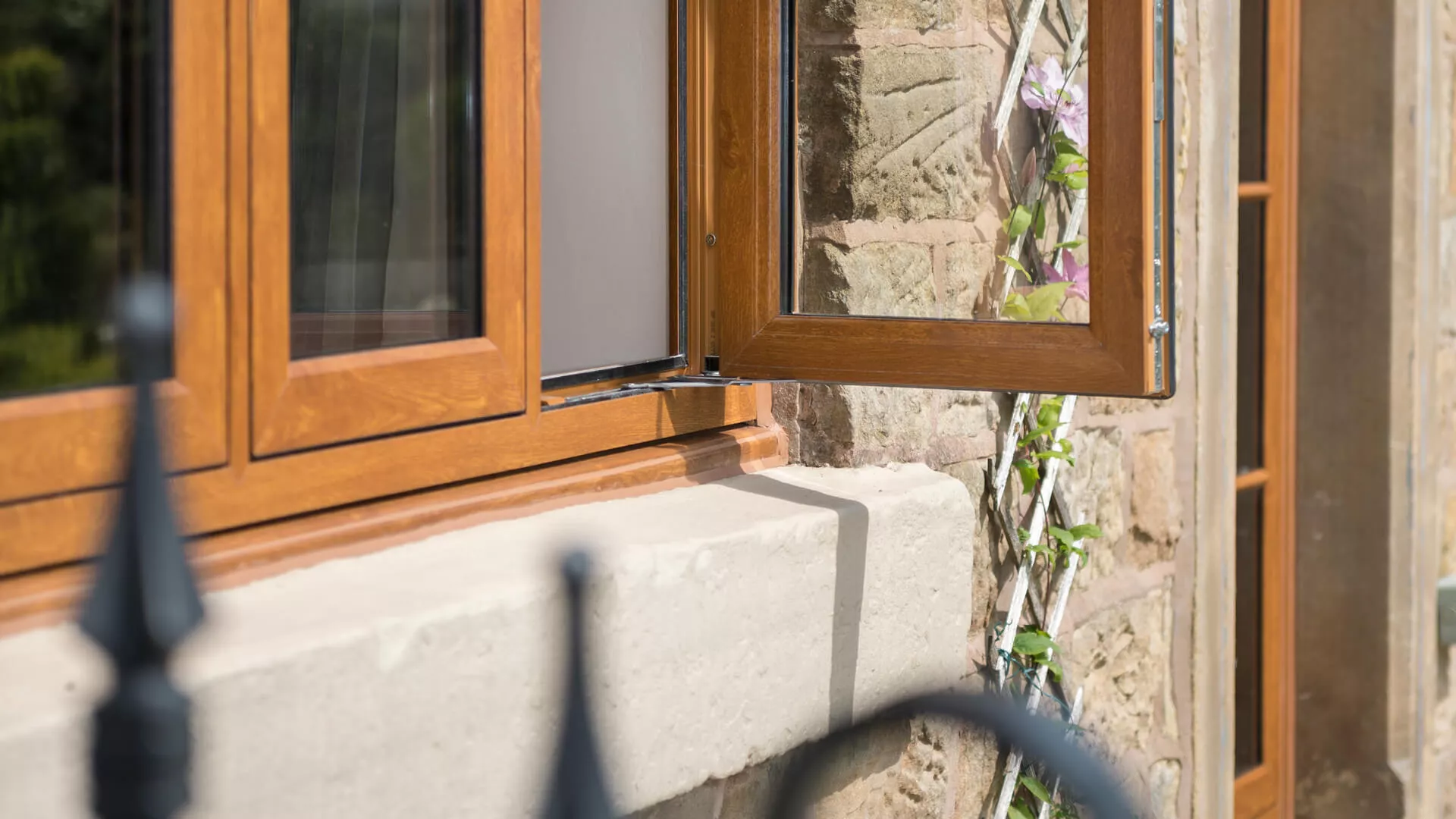
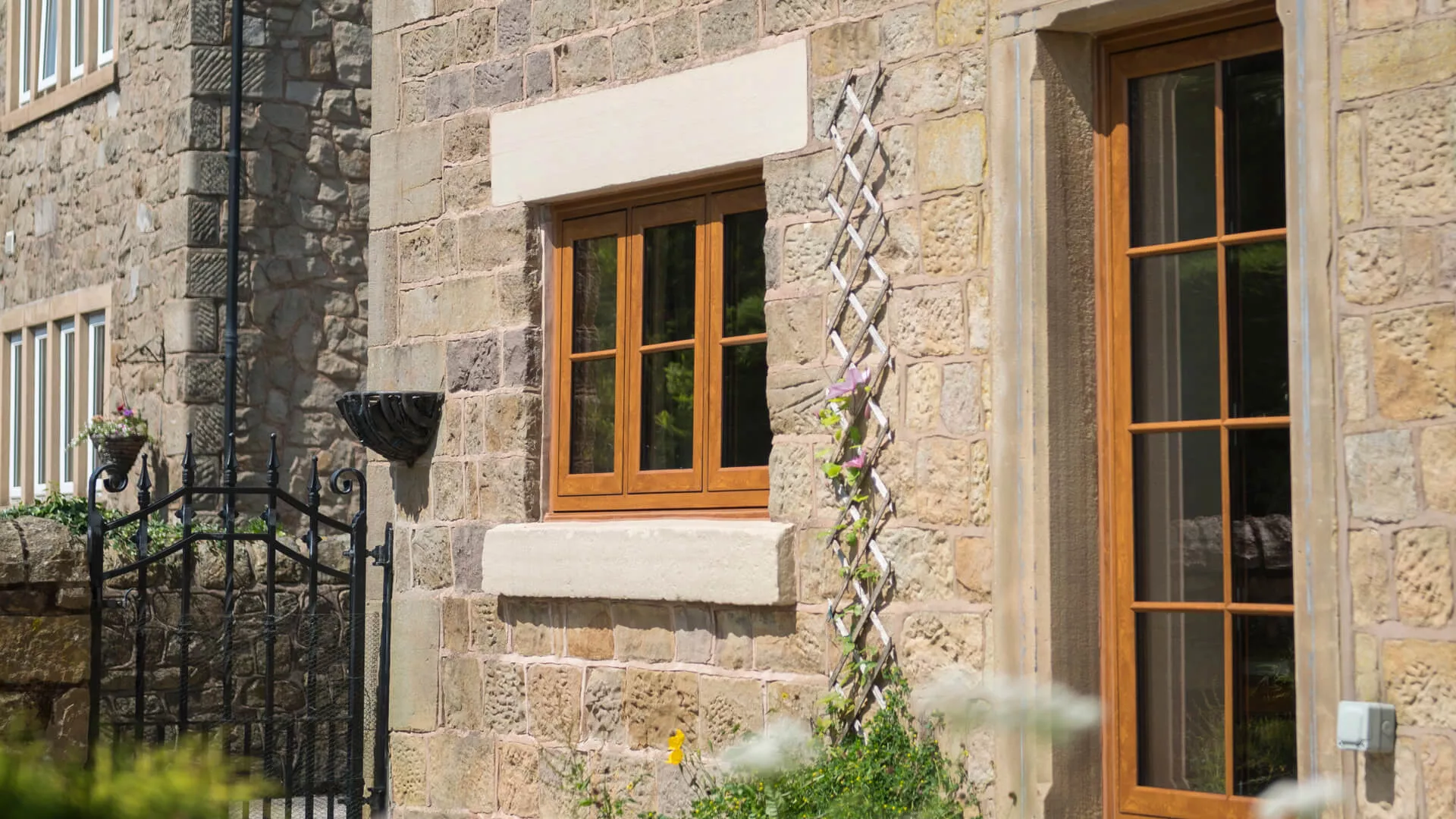
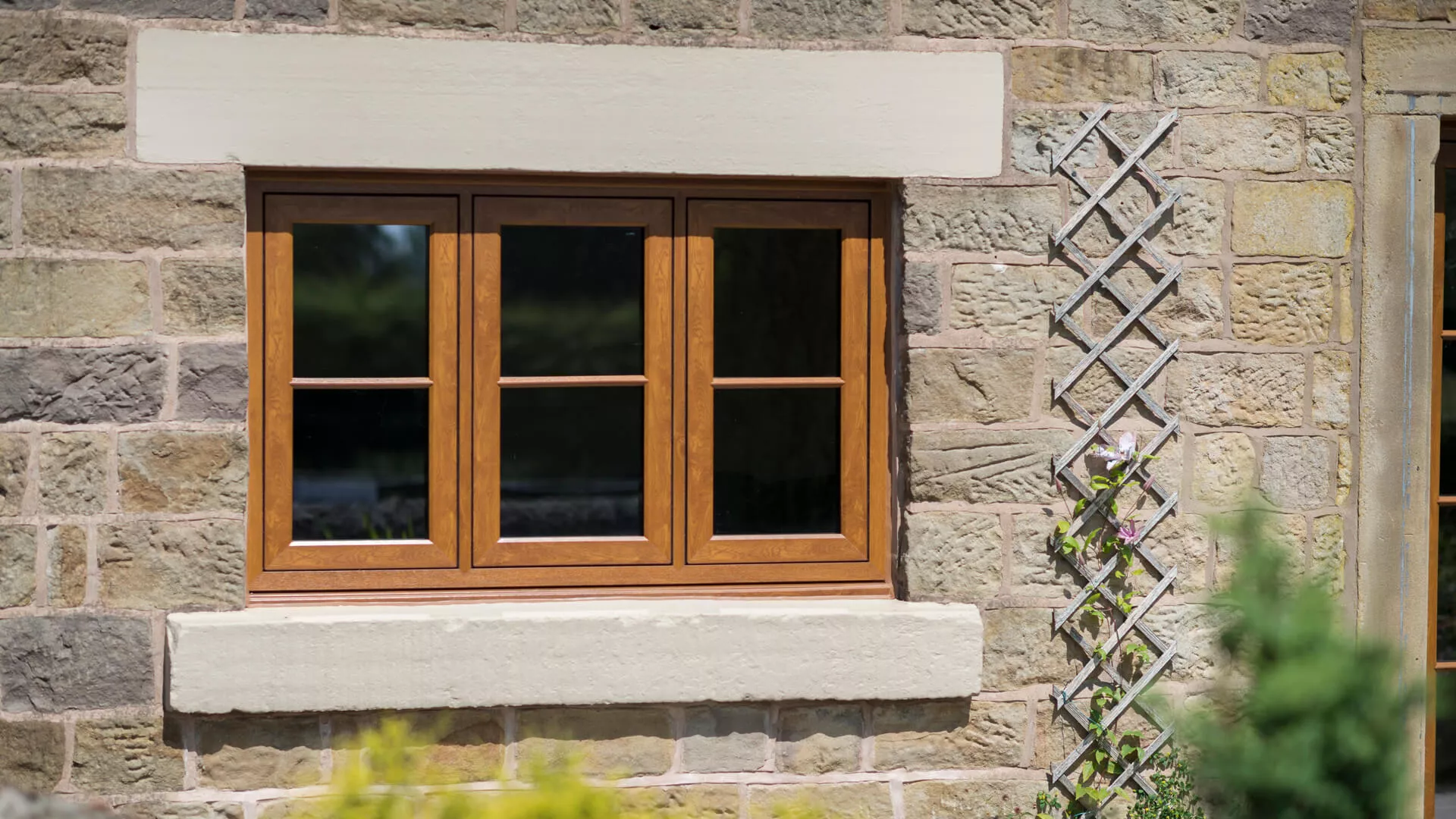
- Casement windows
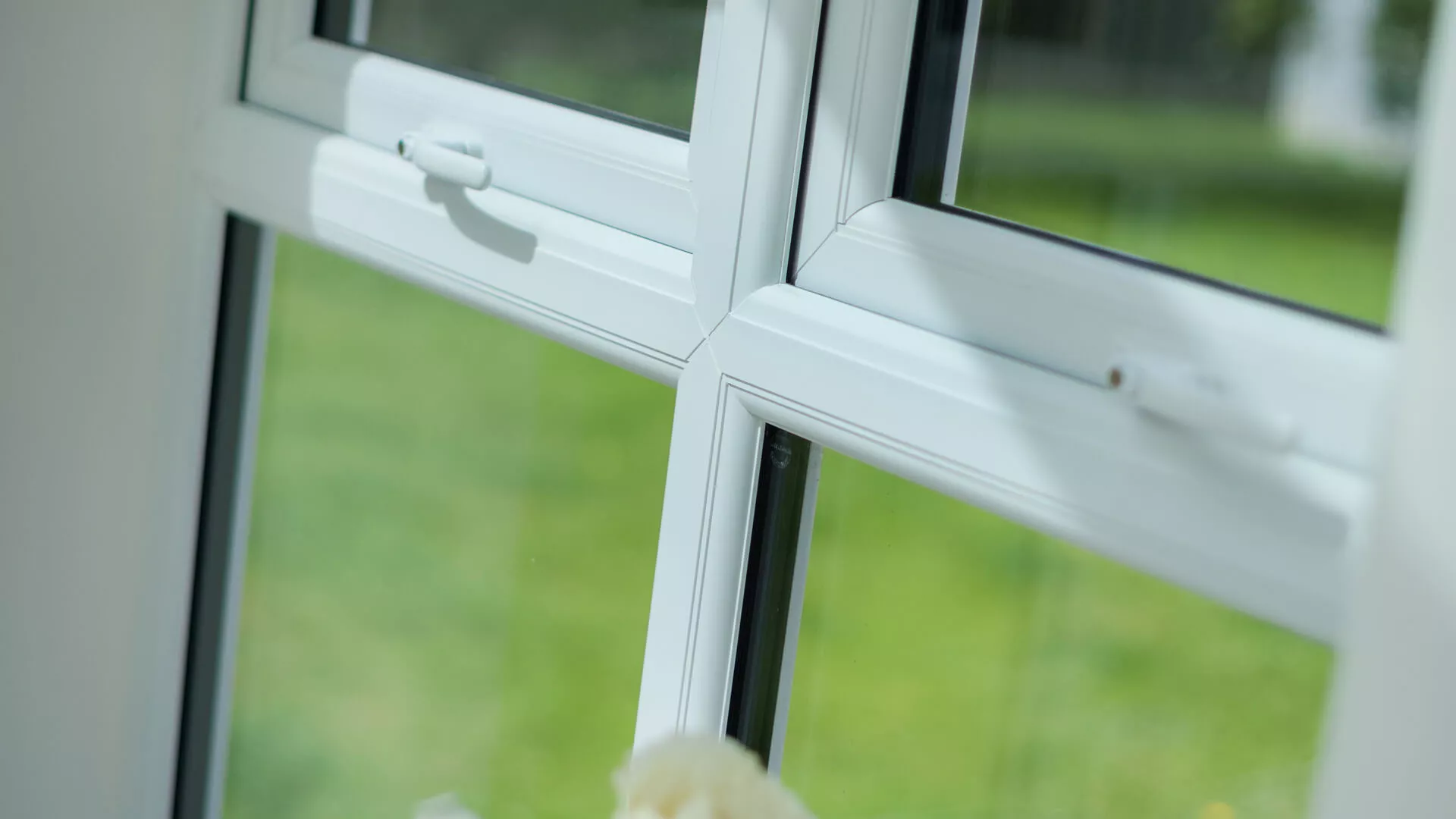
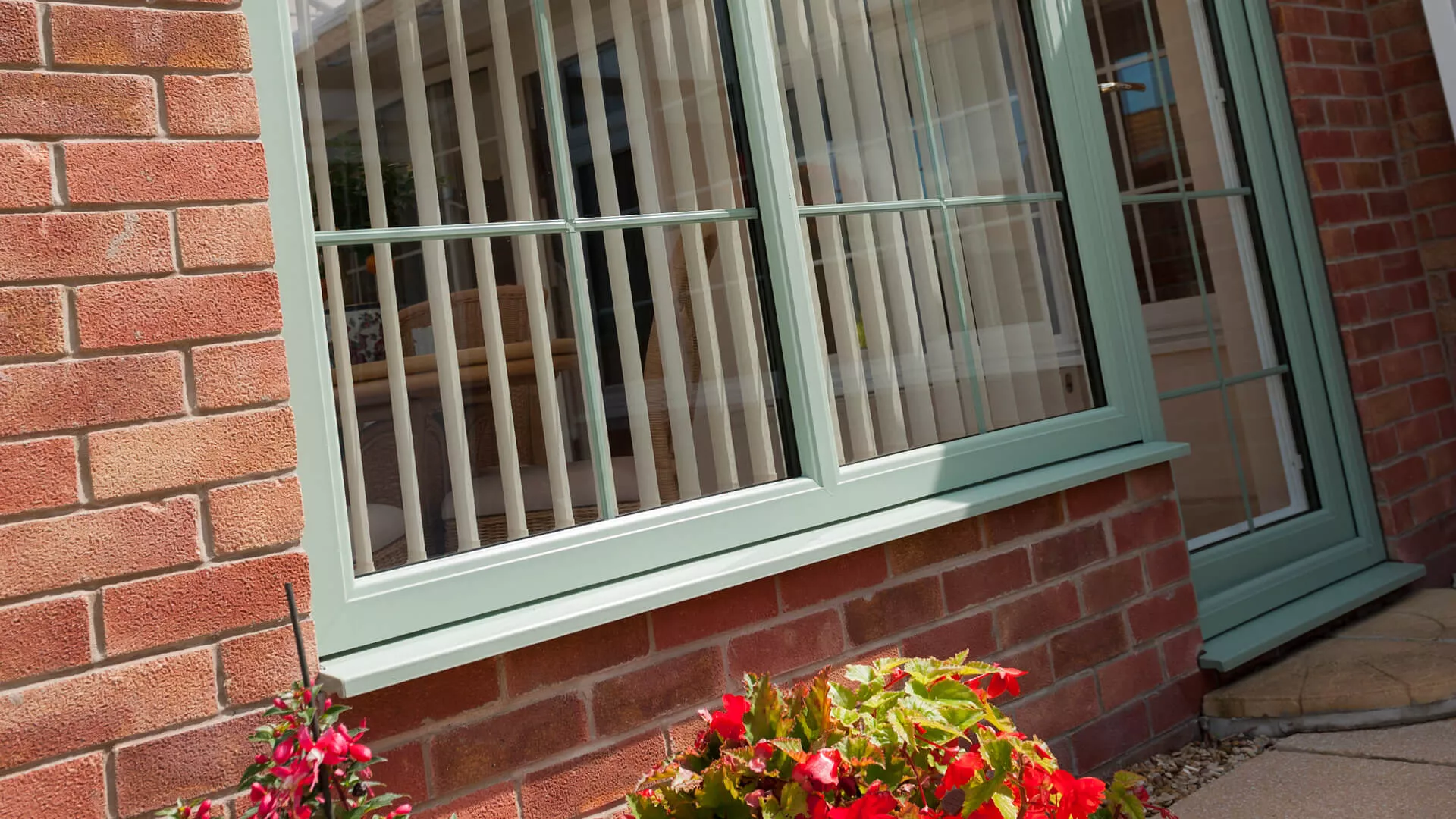
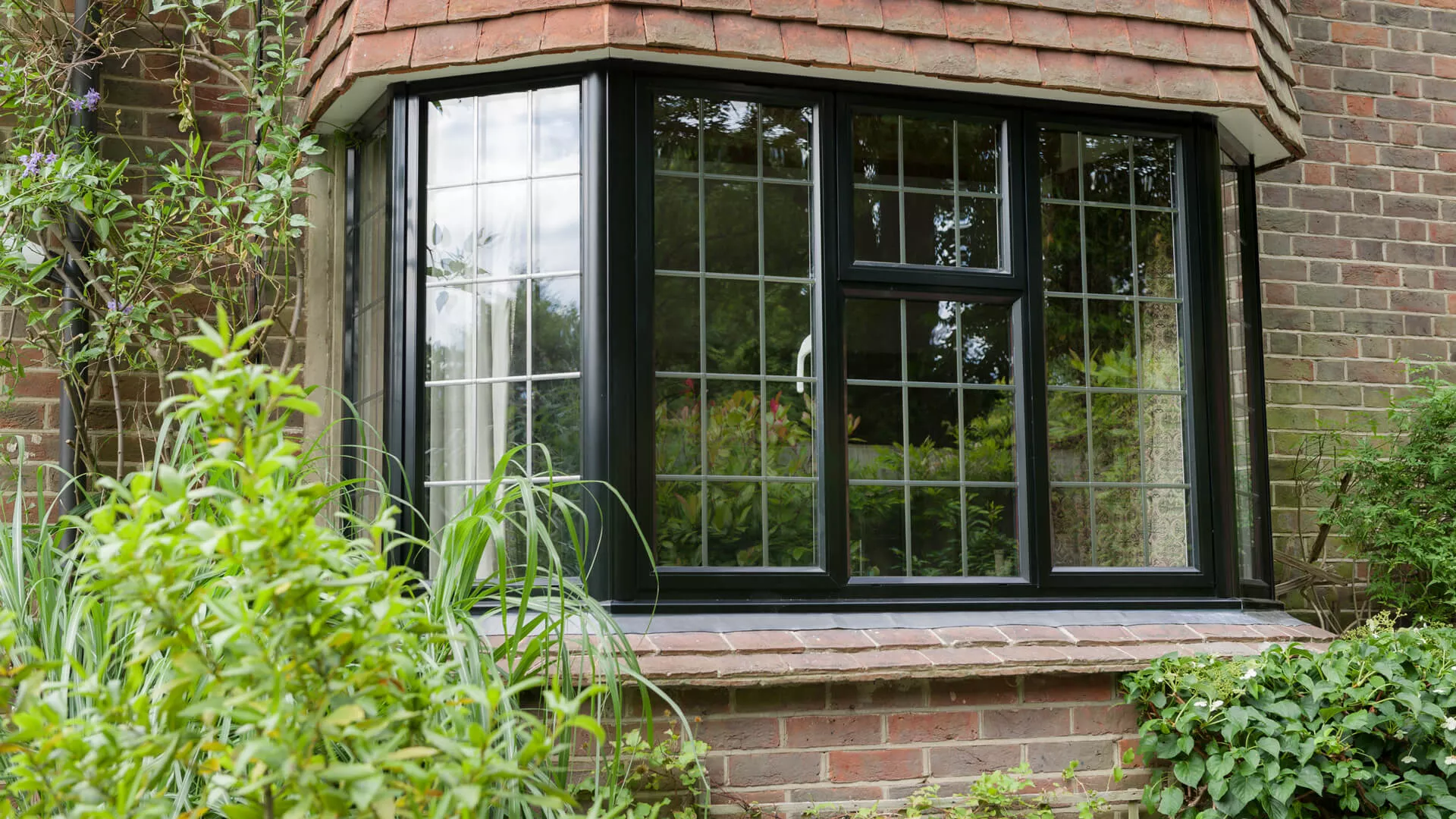
remain a versatile option, offering dependable ventilation and suitability across modern and traditional properties. - Bay and bow windows
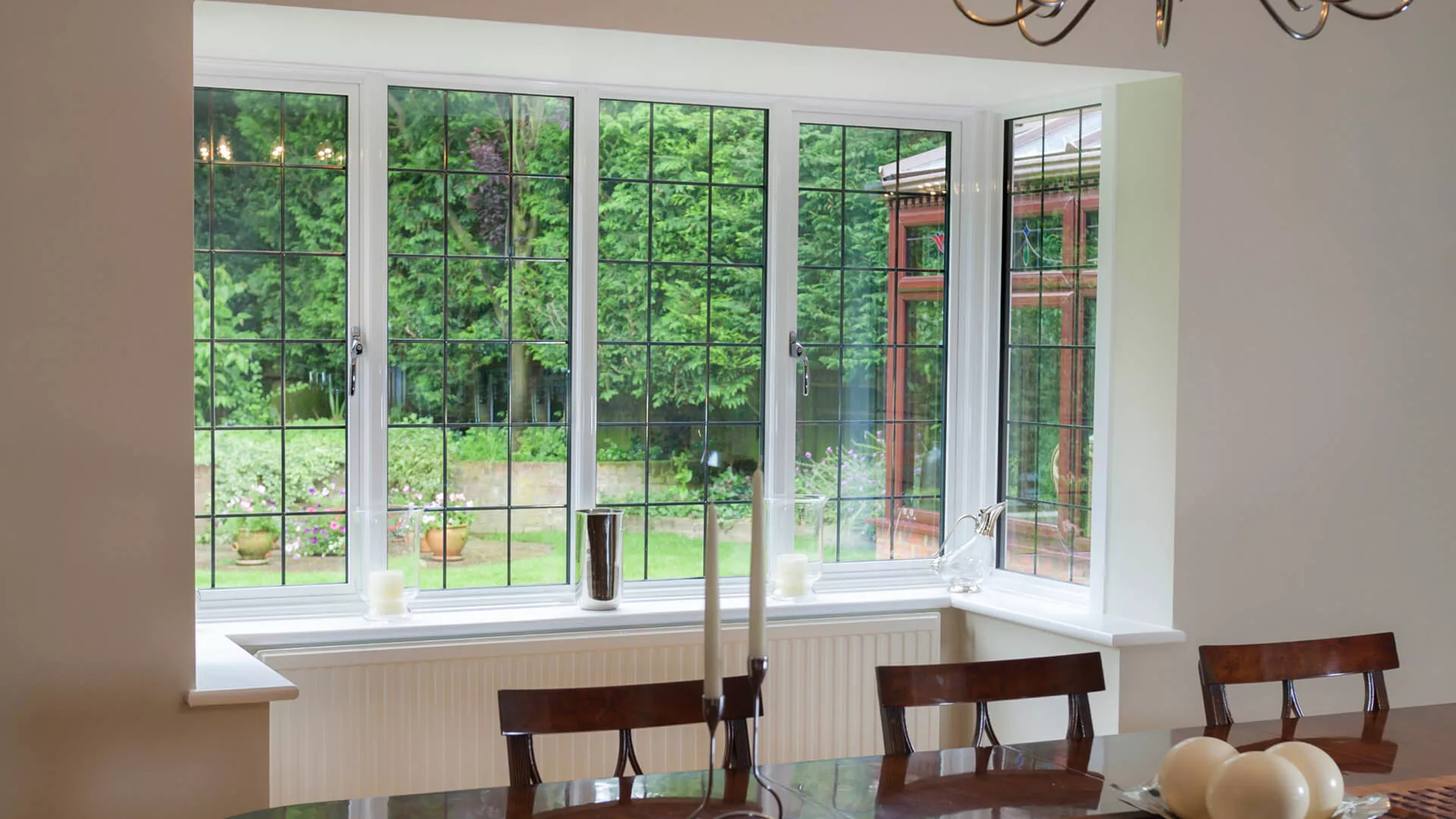
introduce architectural interest while increasing natural light and usable internal space, often lending themselves to seating areas. - Bigger than standard window sizes, picture windows prioritise uninterrupted views and daylight, typically combined with opening windows elsewhere to maintain airflow.
What are the best window styles for living rooms?
The ideal choice depends on whether views, ventilation, design character or a balance of all three is the main objective.
Can I choose floor-to-ceiling windows in my living room?
Yes, provided considerations around insulation, solar gain and privacy are addressed through appropriate glazing and positioning. Our advisors can give tips on how to insulate windows for improved comfort.
Design Considerations for Selecting Living Room Windows
Window placement is just as important as scale. Ideally, glazing should overlook gardens or open surroundings rather than driveways, refuse areas or neighbouring properties. In living rooms facing the street, privacy can be preserved using obscured lower panes, partial frosting or carefully chosen window coverings.
Furniture arrangements should complement the window layout. Bay windows naturally create focal points, while larger glazed areas benefit from seating positioned to enjoy views without discomfort from glare.
Given how frequently living rooms are used, energy efficiency should not be overlooked. High-quality glazing plays a key role in maintaining even temperatures and controlling heating costs. For guidance on “is a low u value better?” and other questions regarding energy efficiency, our blog is a good place to start.
Will large windows make my living room too cold in the winter months?
When correctly specified, modern triple or double glazing windows with insulated frames can deliver excellent thermal performance.
Kitchen Windows – Where Function Leads Design
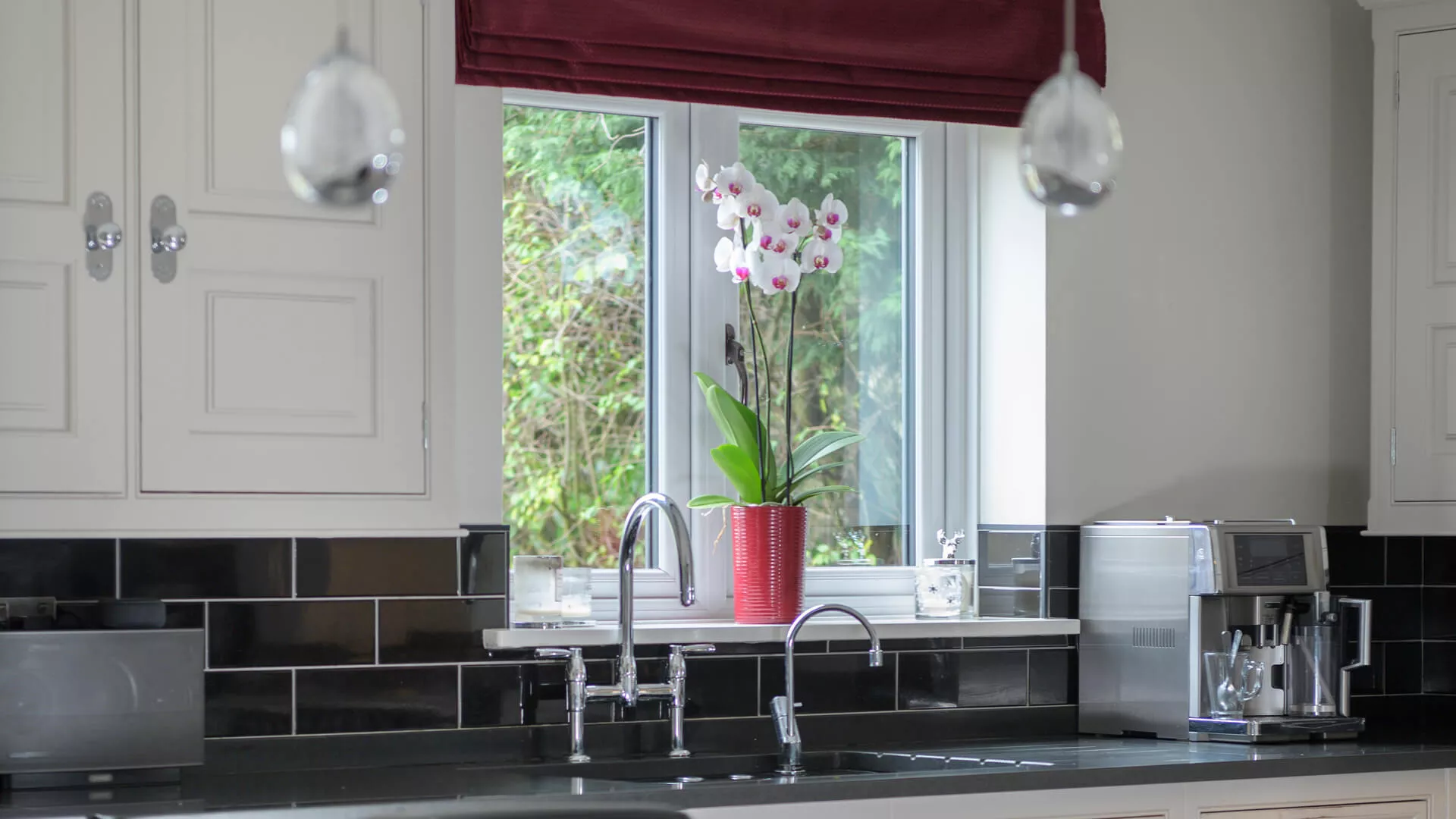
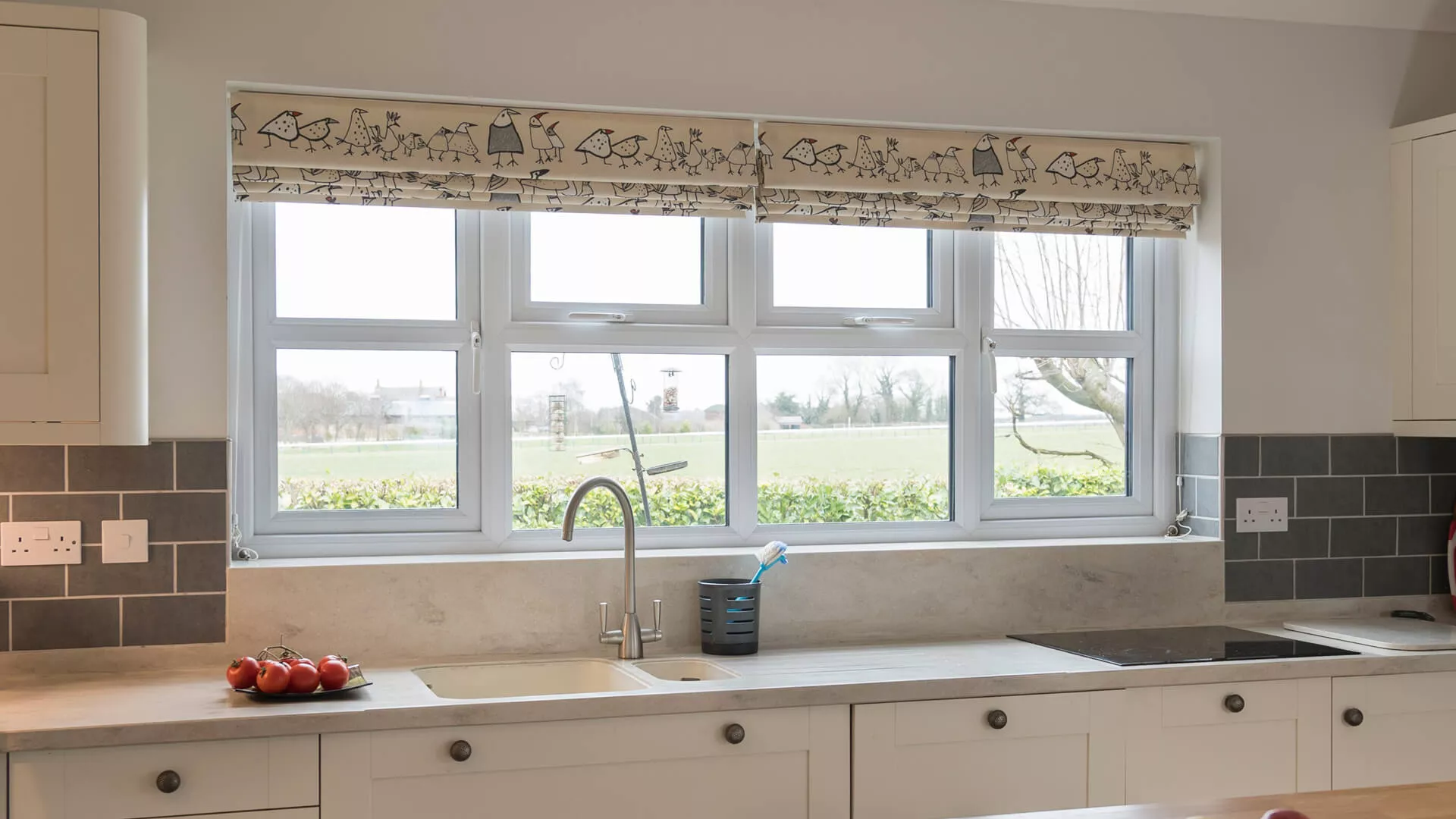
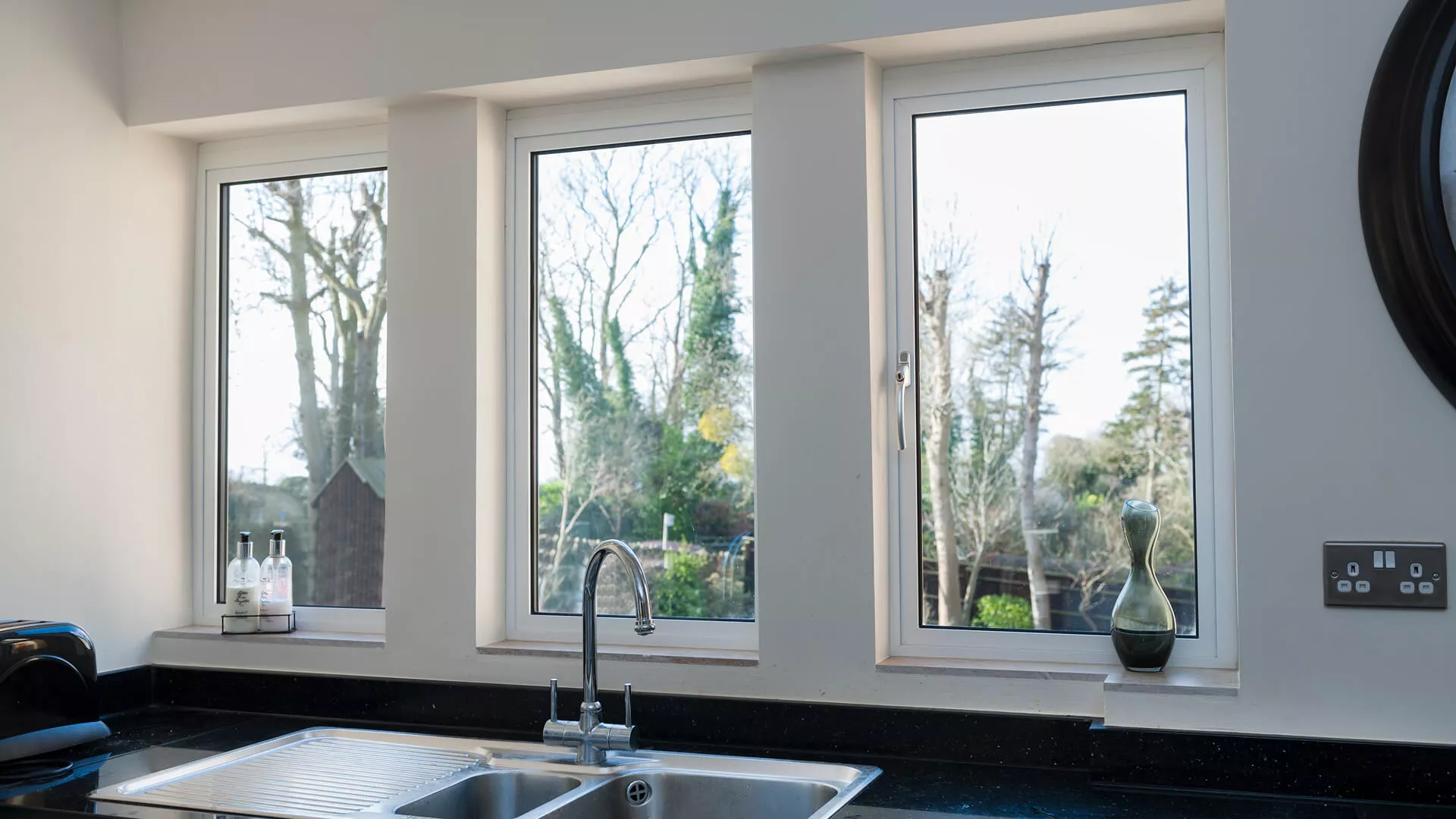
Kitchens present specific challenges for window selection. Ease of use, reliable ventilation and simple maintenance are critical, particularly in busy households where windows are used frequently.
Placement should avoid clashing with sinks, worktops and cooking areas while still allowing light and airflow where they’re most effective. In kitchens, practicality should always guide design choices, with aesthetics supporting usability rather than restricting it.
What type of windows are best for kitchens?
Casement and tilt-and-turn replacement windows are widely used thanks to their ease of operation and flexible ventilation options.
How do I prevent condensation in my kitchen?
Regular ventilation is essential. Opening windows, alongside extractor fans and well-sealed glazing, helps control moisture levels.
Bedroom Windows – Comfort, Quiet and Seclusion
Bedrooms serve a distinctly different role from communal areas. They are intended for rest, privacy and relaxation, and window design should reflect these priorities.
Typical concerns include external noise disrupting sleep, unwanted early morning light, overlooking from neighbouring properties and security considerations on lower floors. Window design for home bedrooms should therefore focus on acoustic insulation, controlled daylight and secure construction.
What are the best windows for bedrooms?
Soundproof windows offering strong sound reduction, reliable locking mechanisms and compatibility with blackout or layered coverings are well suited to bedrooms.
What windows have the best security features for bedrooms?
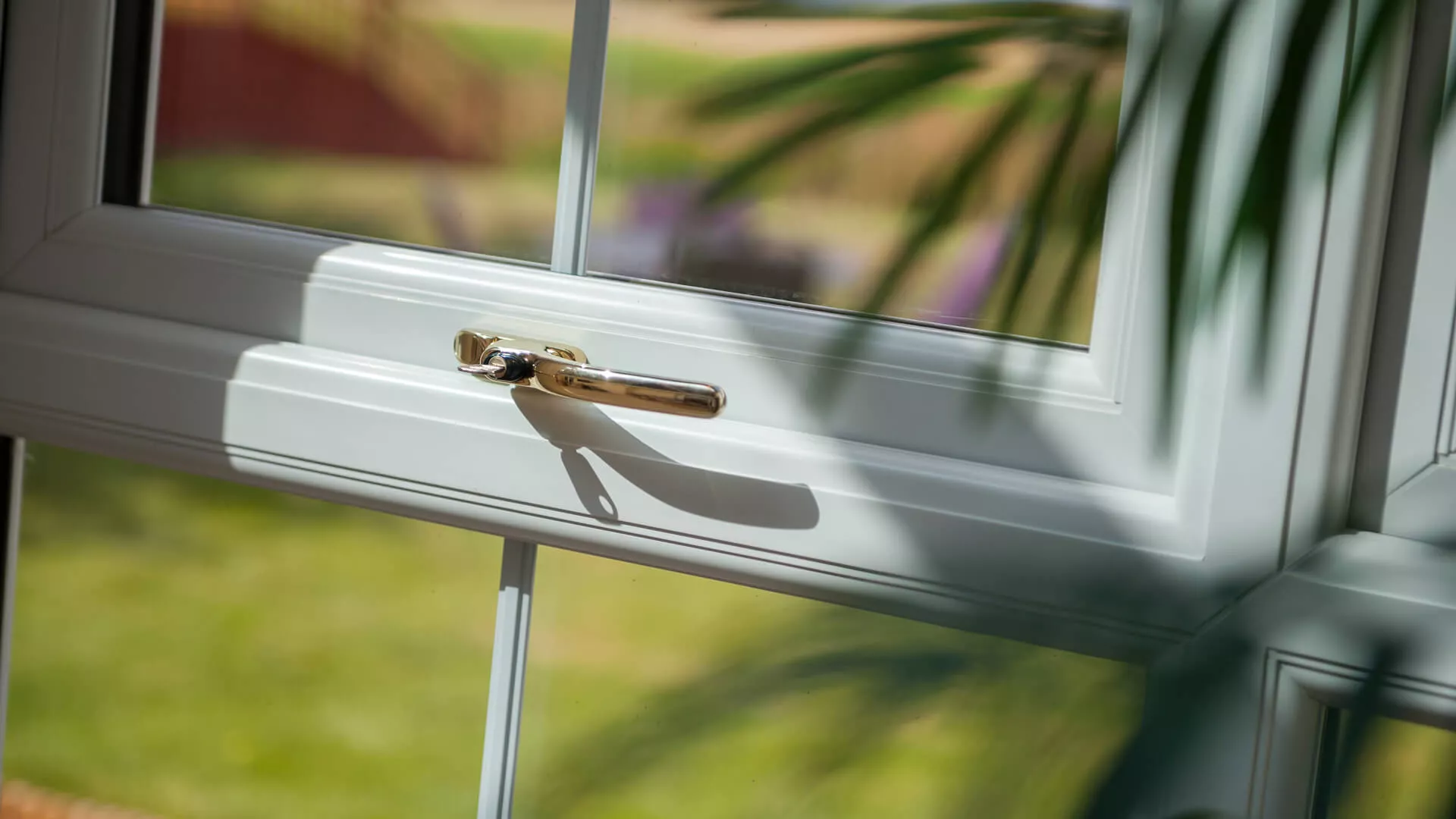
Robust frames, internal glazing beads and multi-point locking systems all enhance security, particularly in easily accessible locations.
Bathroom Windows – Privacy Comes First
Bathrooms demand the highest levels of discretion within the home, and window design must prioritise privacy from the outset. Common issues include feeling exposed, poor airflow and reliance on artificial lighting that can leave bathrooms feeling dull.
Obscured glazing allows natural light to enter while maintaining privacy, preventing bathrooms from feeling enclosed. Ventilation remains equally important to reduce moisture build-up and minimise the risk of mould.
What windows are best for bathroom privacy?
Frosted or obscured glass is the most effective option, often paired with top-opening configurations.
What window materials are most suited to bathrooms?
Selecting types of window frames made from moisture-resistant materials, such as UPVC and aluminium, perform particularly well in humid conditions.
Will I still need an opening window if I use an extractor fan?
Extractor fans help, but an opening window provides additional ventilation and is generally recommended.
Home Office Windows – Supporting Focus and Wellbeing
With home working now commonplace, many offices are created from spare rooms that weren’t designed for full-day use. Insufficient daylight, screen glare and stagnant air can quickly affect concentration and comfort.
Well-planned windows reduce dependence on artificial lighting, improve air circulation and offer views that help prevent fatigue. Window inspiration in home offices should prioritise balance rather than maximum glazing alone.
Is it necessary for home office windows to open?
Yes. Opening double or triple glazing windows assist with temperature regulation and air quality, both of which are important during prolonged periods of use.
Your Room Checklist
With so many factors to weigh up, window selection can feel complex. This checklist is designed to simplify the process and turn information into practical decisions.
- How is this room mainly used?
- Is effective ventilation required here?
- Are privacy or noise reduction important?
- Will moisture resistance be a factor?
- Could window size influence heating or cooling costs?
- Does the window overlook a desirable view?
- Are enhanced security features necessary due to access or location?
Using this approach ensures window design ideas are driven by function as well as appearance.
Choosing Windows Room-by-Room
Successful window design for home interiors starts with understanding that every room serves a different purpose. Living rooms benefit from light and outlook, kitchens rely on ventilation and ease of use, bedrooms require quiet and privacy, bathrooms need moisture resistance, and home offices work best with energy efficient windows that invite plenty of light indoors.
By selecting window designs for house layouts on a room-by-room basis, homeowners can make confident, informed decisions that improve comfort, performance and long-term satisfaction. With careful planning, window inspiration becomes a practical tool rather than an aesthetic guess.
REQUEST YOUR FREE QUOTE
Simply fill in your details for your free, no obligation quotation, and click "Get Quote"
Want to speak with an Advisor? Give us a call on 01224 588944
Our friendly team will be pleased to help with any questions you may have.