
What Is a Composite Door and Is It Right for My Home?
Composite is defined as made up of several parts or elements and any front or back door deemed ‘composite’ consists of exactly that, a mix of materials rather than just a single constituent e.g. UPVC or aluminium. Composite doors are so robust and energy-efficient because a combination of materials are used to construct them.
Quick Breakdown:
- What is a composite door?
An exterior door consisting of several materials, notorious for having greater strength and weather-resistance than traditional single-material doors and being more low-maintenance. - What is a composite door made of?
Usually, a solid timber or high-density foam core, insulating foam, timber, UPVC and with a GRP (Glass Reinforced Plastic) skin. It also incorporates a secure locking mechanism. - How long do composite doors last?
25-35 years is the estimated lifespan of a composite door if it has good build quality, is correctly installed and can withstand the weather.
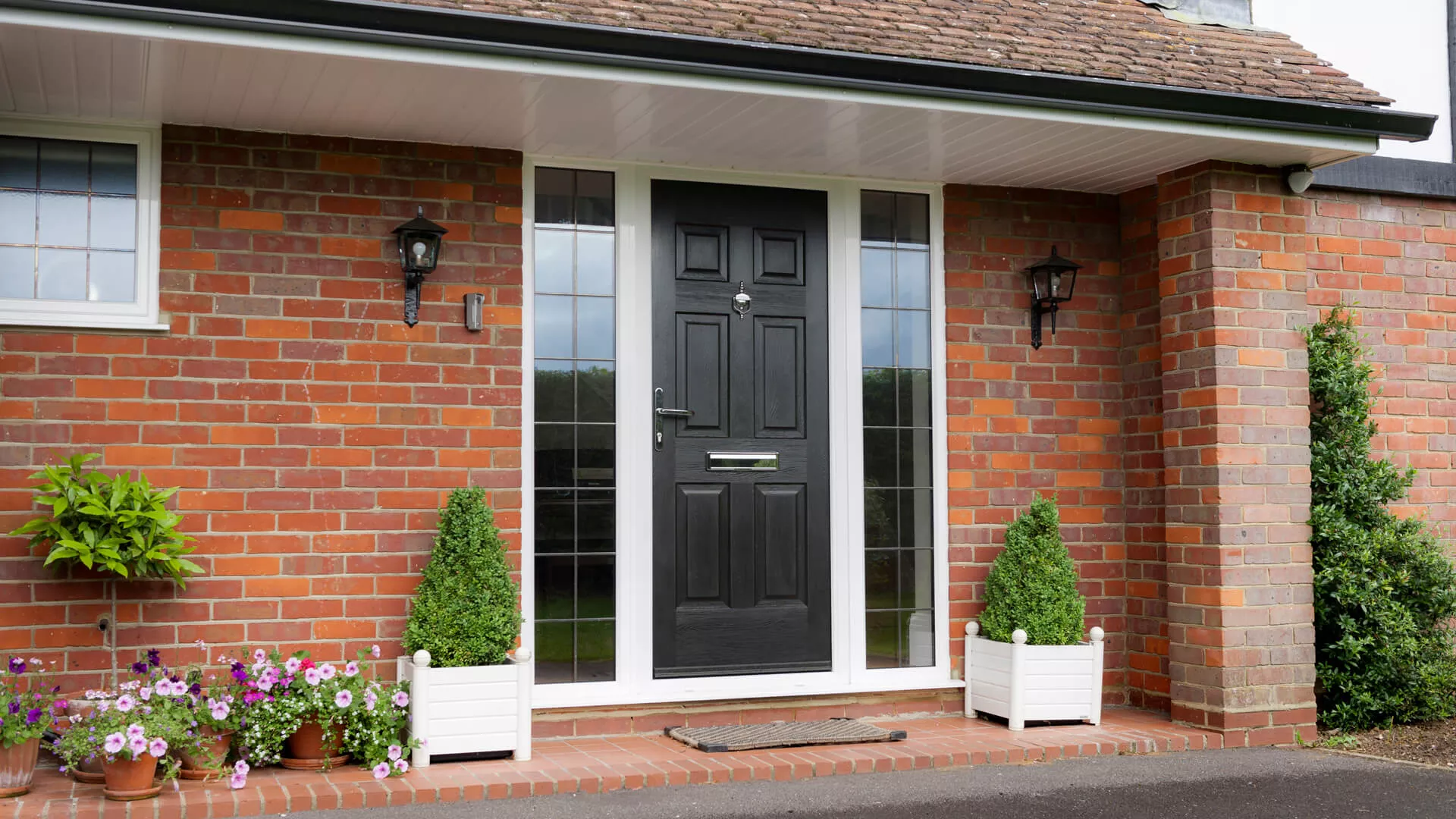
Whether a composite entryway is the best option for where you live depends on what you’re seeking. If the ultimate driver is for high-grade security, energy efficiency and low maintenance, it would make a good choice. Although it may cost a little more than say a UPVC door, its all-round capabilities make it worth the money.
Request Your Free Door Quote
Simply fill in your details for your free, no obligation quotation
Does a Composite Door Make Sense for Your Home?
We’ll expand more on whether a composite door is what you should investigate, starting by telling you that composites are very well-liked by UK homeowners, and you can understand why.
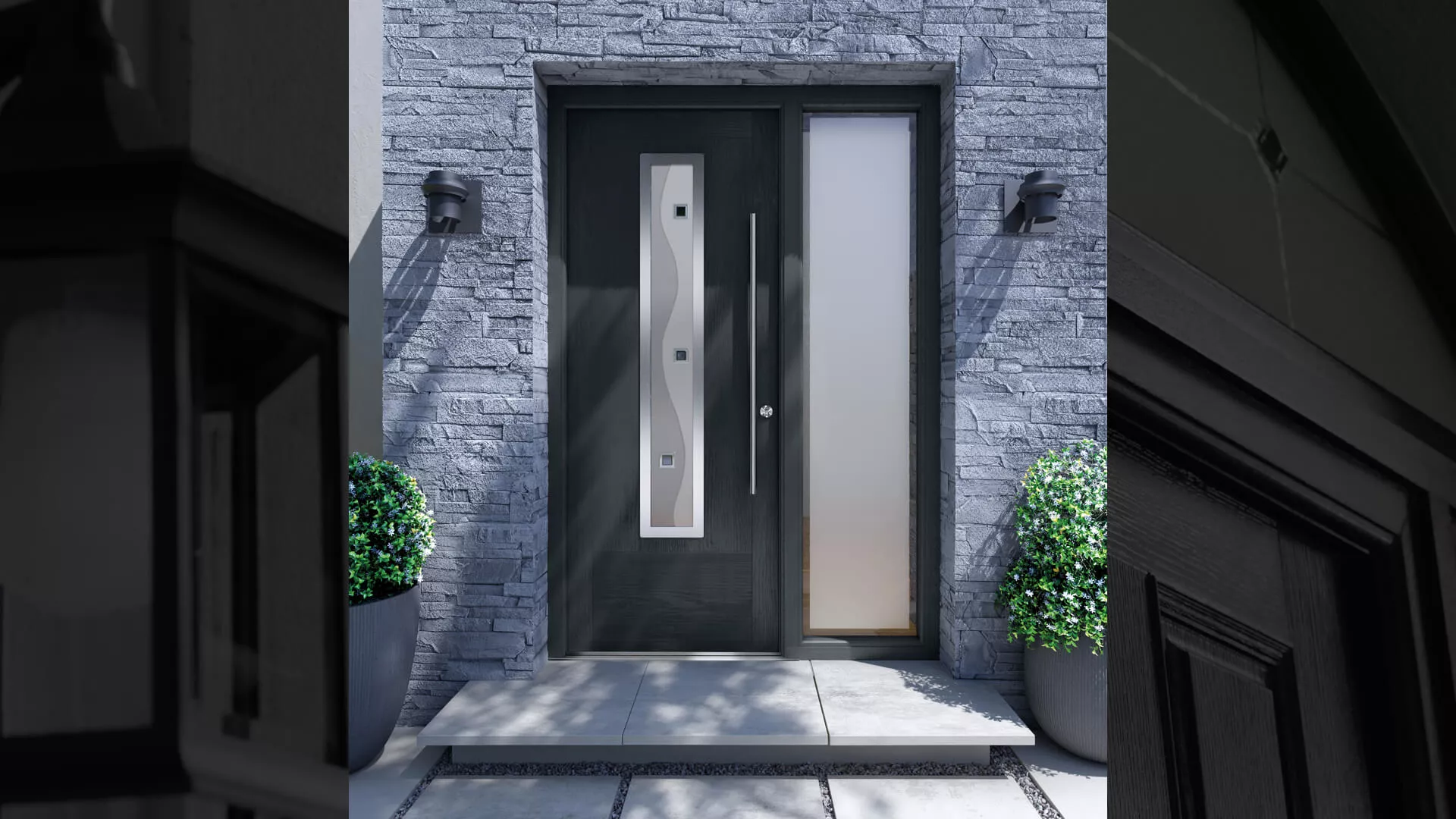
People are no longer satisfied with doors that just serve a functional purpose. They crave designs that will keep energy bills affordable, raise home security, and offer a stylish exterior without them needing to constantly maintain frames.
An amalgamation of strength, style, insulation and robustness is every replacement doors’ buyer’s dream.
Read further into our guide to find out answers and insights about composite doors that you’re maybe wanting to know.
What Is a Composite Door, Exactly?
We’ve briefly touched on what is a composite door before, but for the purpose of this more extensive piece, it’s a door made up of a combination of materials, such as a solid core, insulating foam and weatherproof outer layer. This is where it gets its strength from and why it insulates so impressively.
Don’t interpret the word “composite” as meaning cheap or plastic, when it’s quite the reverse and signifies a door that outperforms designs crafted from just one material. Associate “composite” with high performance.
What is a Composite Door Made Of?
As we’ve said, a composite door consists of more than one material – multiple components are meshed together and they’re each selected because of their durability, insulation and style.
Let’s tell you about some of the most harnessed materials so that at that next pub quiz you can answer the question of ‘what is a composite door made of?’
- Solid timber or engineered wood core
this is where much of its strength derives and it lends support to the locking systems and hardware. - Insulating foam or core material
retains warmth inside the house and stops cold weather getting in, creating an energy-efficient setting. - Glass-reinforced plastic (GRP) outer skin
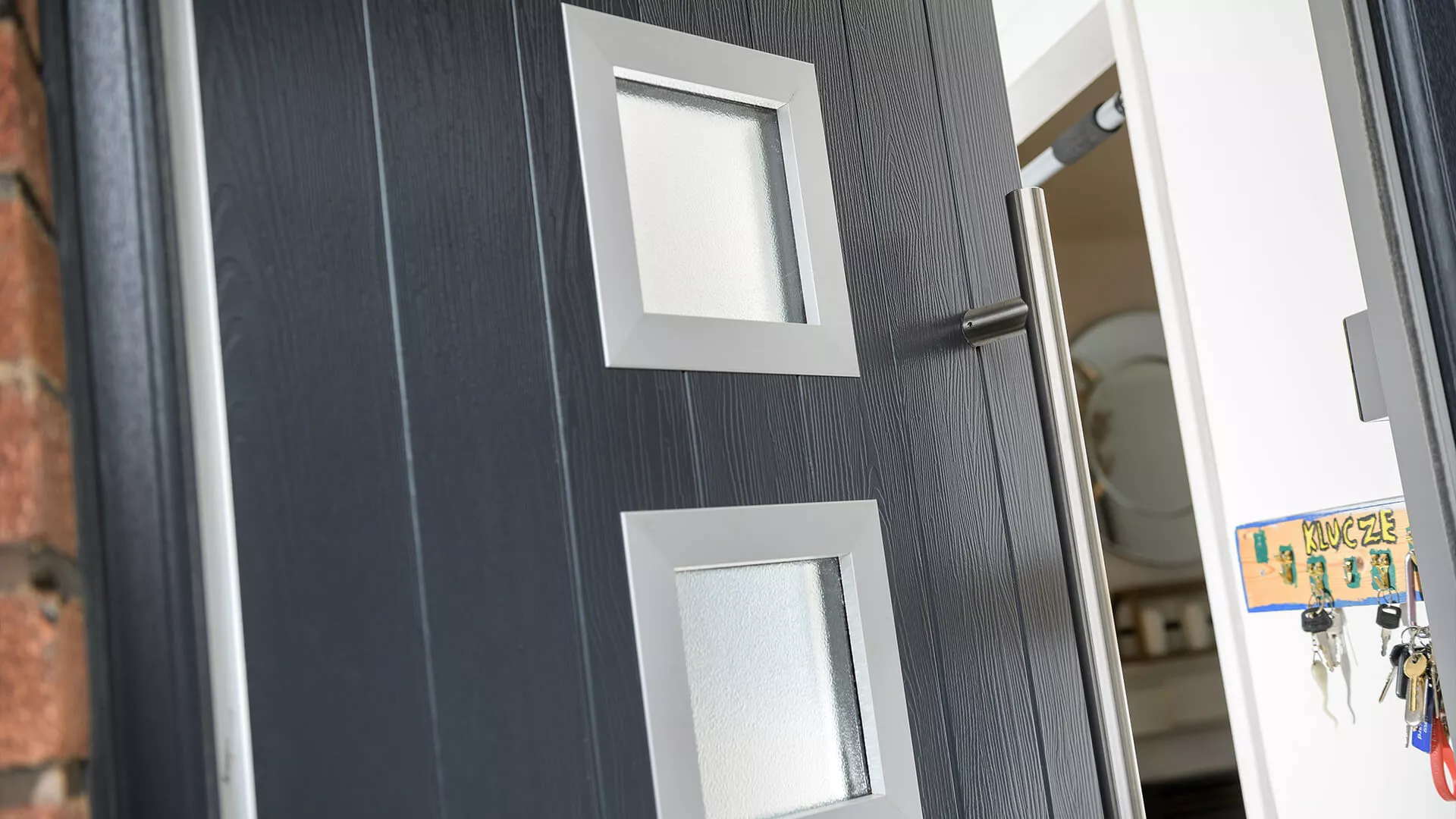
protects against weathering, resists warping and ensures the coloured finish endures. - uPVC or composite frame
stabilises the design, prevents any water ingress and minimises maintenance. - High-security locks and fittings
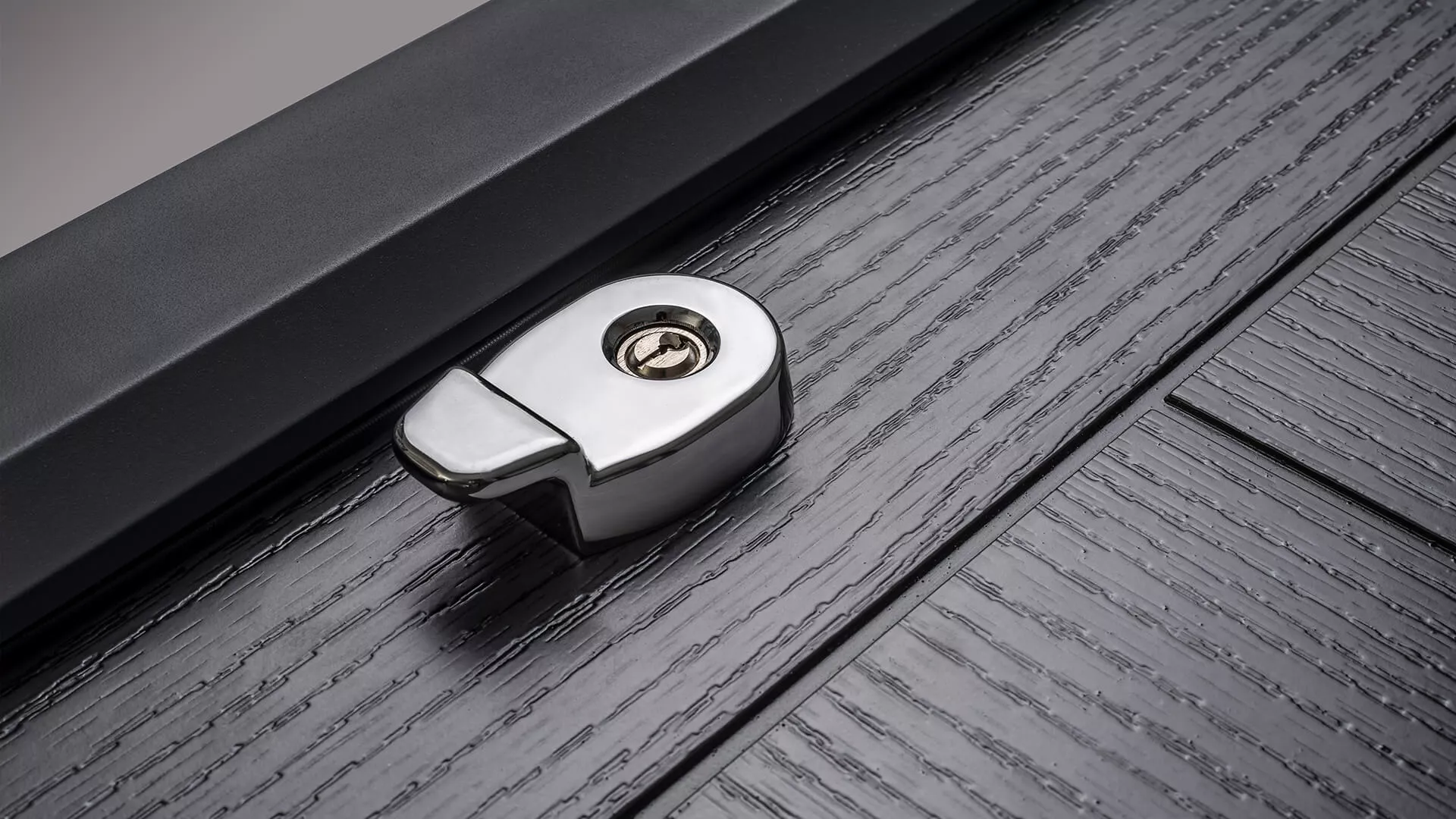
normally contains multiple locking points for exceptional security.
These types of doors unite timber or engineered wood, insulating foam, glass-reinforced plastic (GRP), UPVC and first-class hardware, resulting in a formidably strong, secure and weatherproof solution.
Composite door material is noticeably thicker than UPVC because of how multi-layered it is in comparison. Greater depth prompts enhanced toughness, security, insulation and resilience, exceeding what a single-layered and thinner UPVC door can offer.
Will a Composite Door Lower Energy Bills?
Yes, it will as insulation performance is one of a composite door’s biggest attributes. Having a multi-layered construction certainly plays a huge role in that, excelling at stemming heat loss and stopping draughts entering a dwelling. Your heating usage won’t be as prolific, as a cheaper energy bill will testify. A tightly sealed frame also contributes to draught restriction and uplifting home warmth.
When you come to sell your house, estate agents will view a contemporary composite front door as a notable selling point, and it could help the property attract a stronger valuation than it would without it.
That insulated core makes such a difference in terms of the stellar energy efficiency realised by a composite offering. By also minimising draughts, your heating costs can be noticeably reduced, and similarly noticeable will be how much warmer the house feels through the seasons, especially in winter.
How Secure Are Composite Doors?
Security is one of the utmost motivating factors when it comes to designing composite doors. They’re built to combat break-ins and the gradual wear and tear that so often diminishes the secure abilities of certain doors.
Included in their key security features is the following:
- Multi-point locking system
engages at several points along the door frame, making forced entries hugely difficult to pull off. - Reinforced cores
the solid or engineered timber core injects strength and lowers the chances of the door being kicked open or dented. - Impact-resistant outer layers
a glass-reinforced plastic (GRP) skin sees that the door won’t become scratched and forced open. - Modern security compliance
most composite doors comply with PAS 24 requirements and UK safety standards.
They surpass UPVC doors for security owing to their reinforced core, multi-point locks and impact-resistant skin.
It would be false to say composite doors are unbreakable, as there’s no absolute guarantee of that. However, if well-fitted and containing modern locking mechanisms, it drastically reduces the possibility of someone managing to accomplish a forced entry.
How Long Do Composite Doors Last?
On average, a composite door will last for about 25-35 years, so long as it is well-made, correctly measured (learn how to measure a door) and installed to the proper specifications. We issue a long guarantee as evidence of the quality of our composite doors and everything incorporated within them.
UPVC doors have a slightly shorter anticipated lifespan of 15-25 years, while timber doors can survive decades, but normally only when you adhere to their high-maintenance demands.
Talking of upkeep. If you commit to the recommended maintenance, it will give a composite door the best possible chance of reaching that 25-35 year lifecycle.
It’s very unusual for any warping, cracking or fading to occur, as the GRP outer skin and core can resist it to a greater extent than timber or old UPVC doors.
Let's List Composite Door Benefits
Here’s a simple, jargon-free bulleted list of why you should choose one, explaining the practical benefits to those wishing to know more about what are composite doors.
- Robust home security
a fusion of solid cores and multi-point locks makes a forced entry improbable. - Outstanding insulation
will preserve warmth during the cold winter months. - Less draughts
tight sealing stops cold leaks around the door frame. - Low maintenance
there’s no need for sanding, staining or repainting like there is with timber doors. - Weatherproof
exposure to rain and inclement weather won’t cause warping, rotting or swelling to transpire. - Long lasting
can last for decades without intensive maintenance. - Noise reducing
extra depth helps to shut out external noise. - Immensely stylish
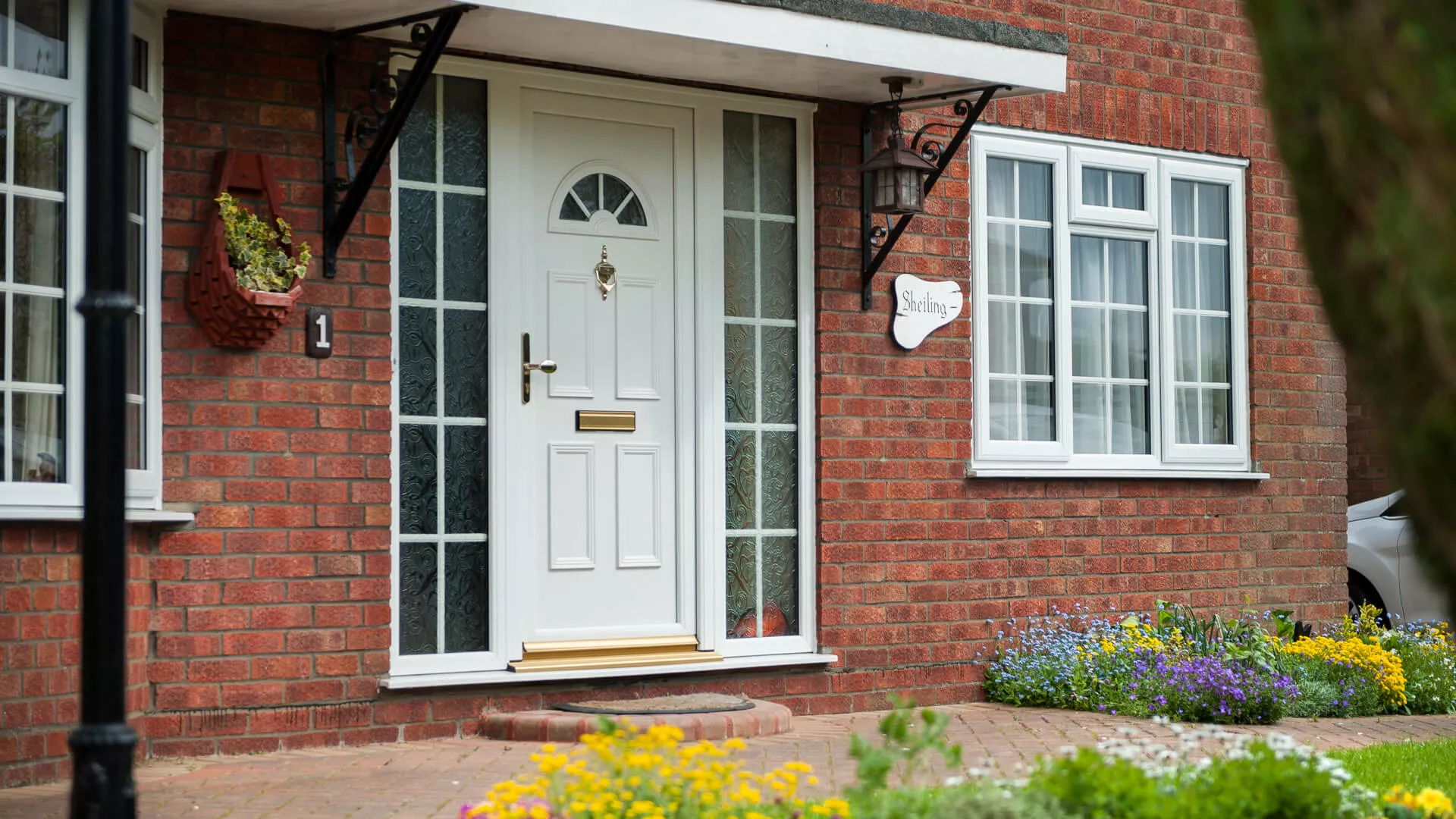
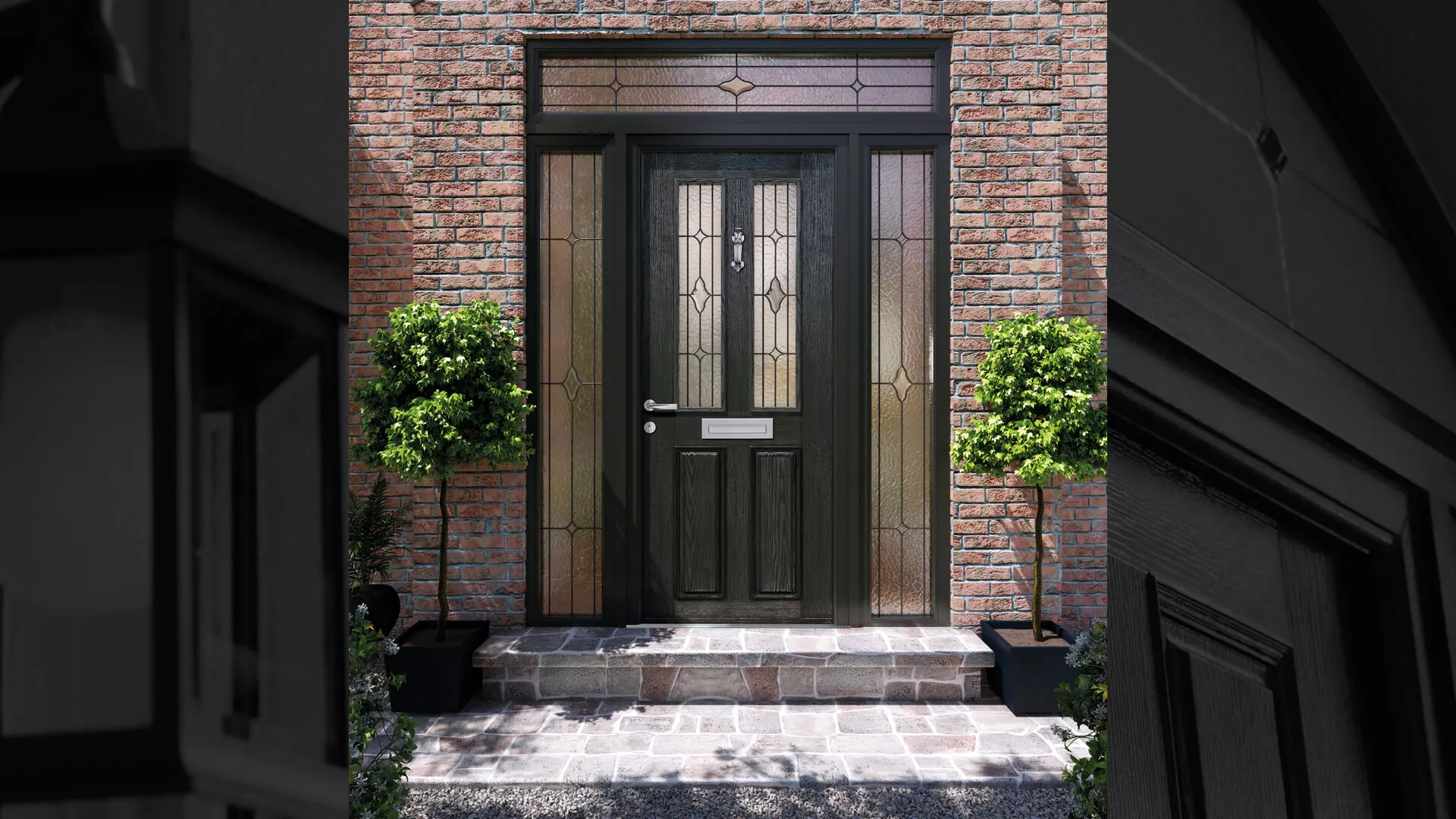
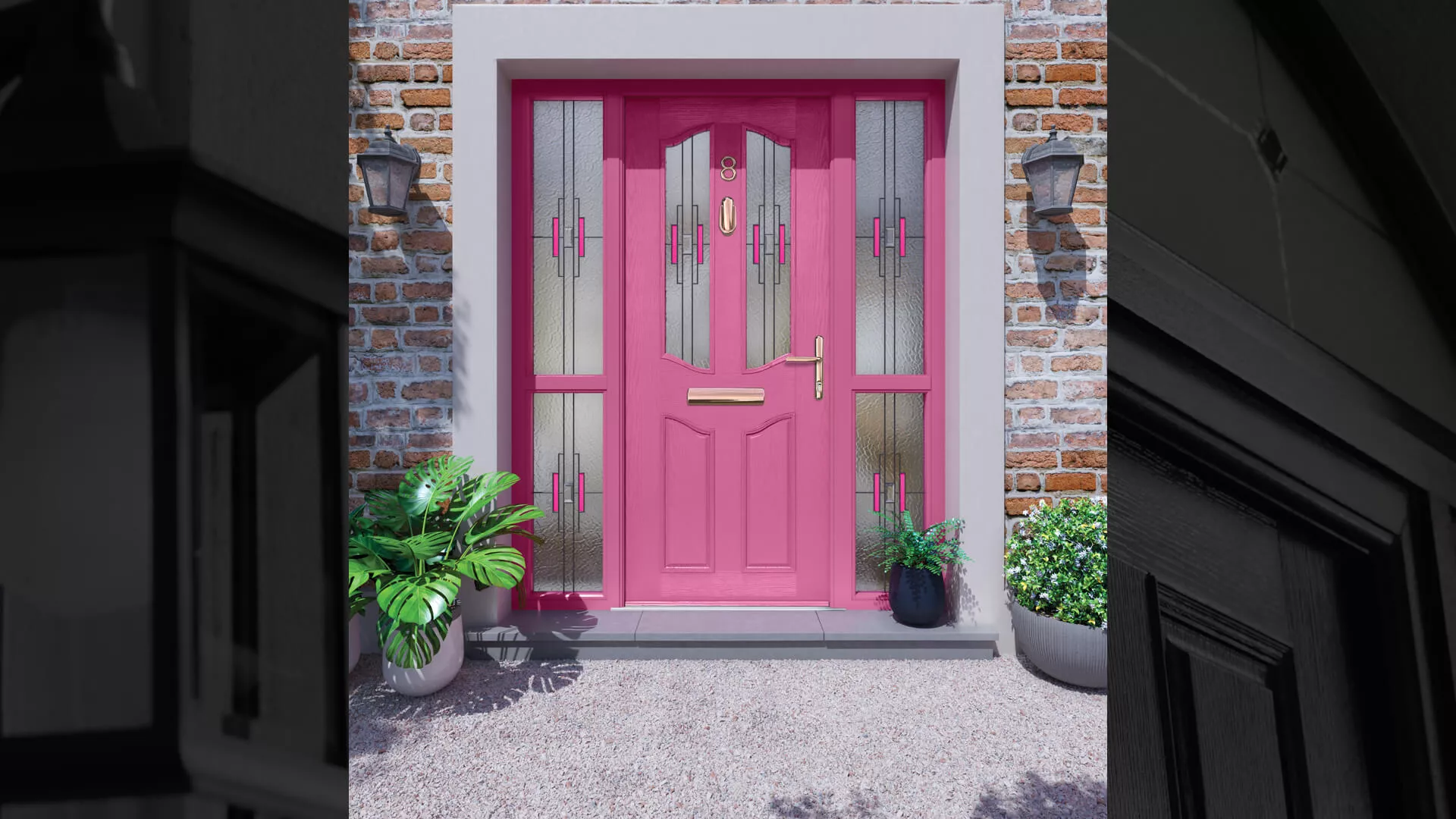
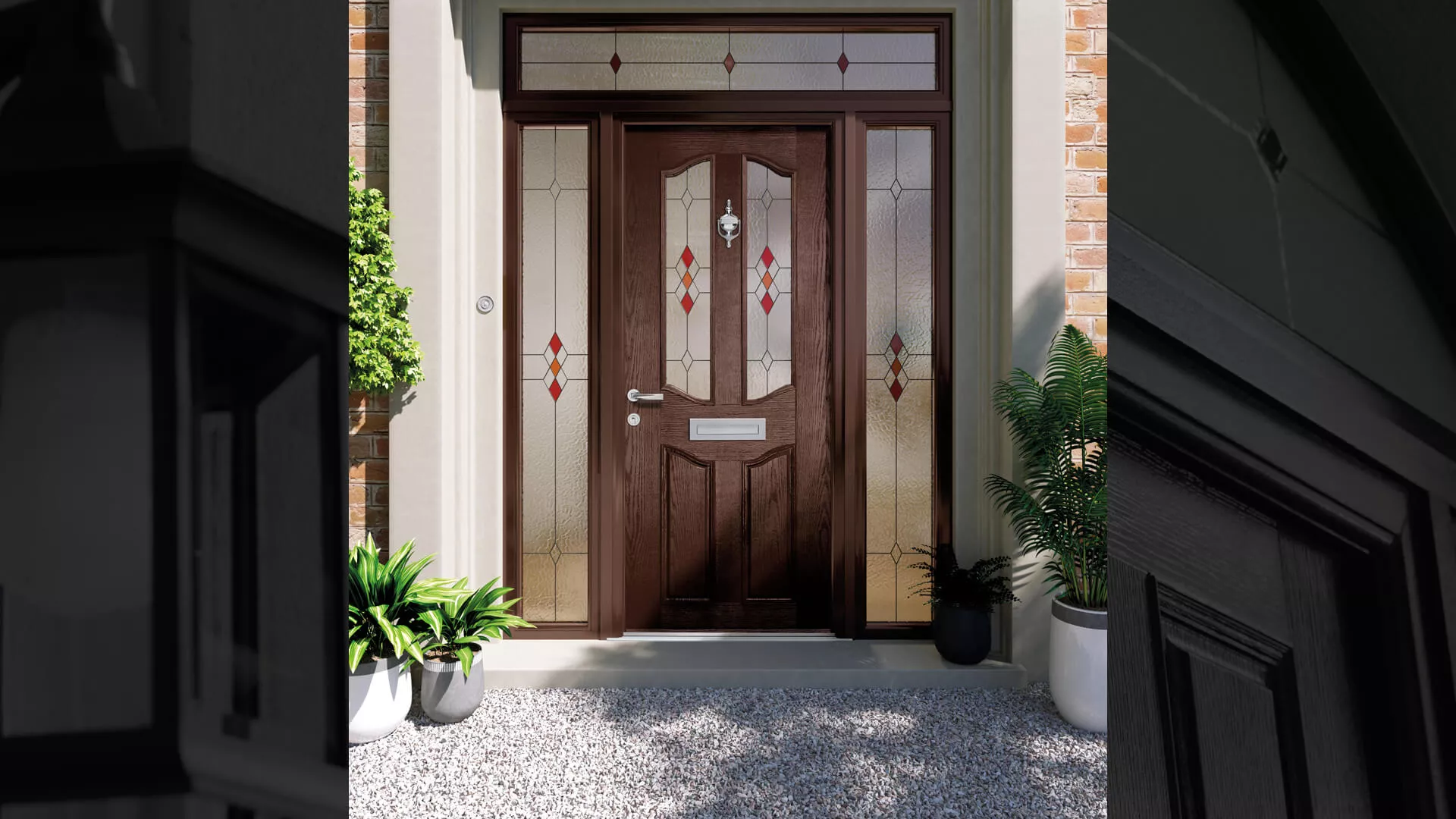
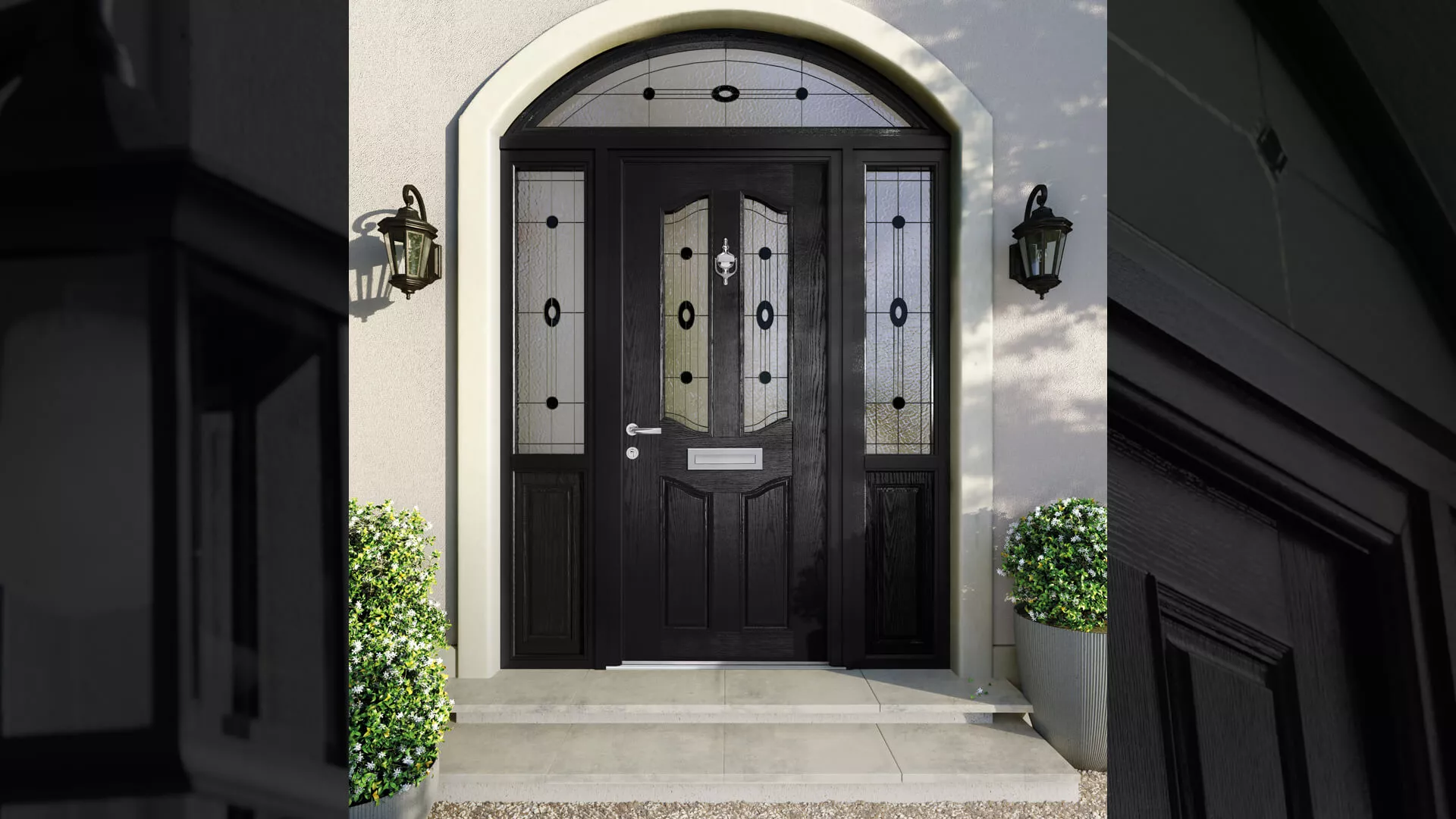
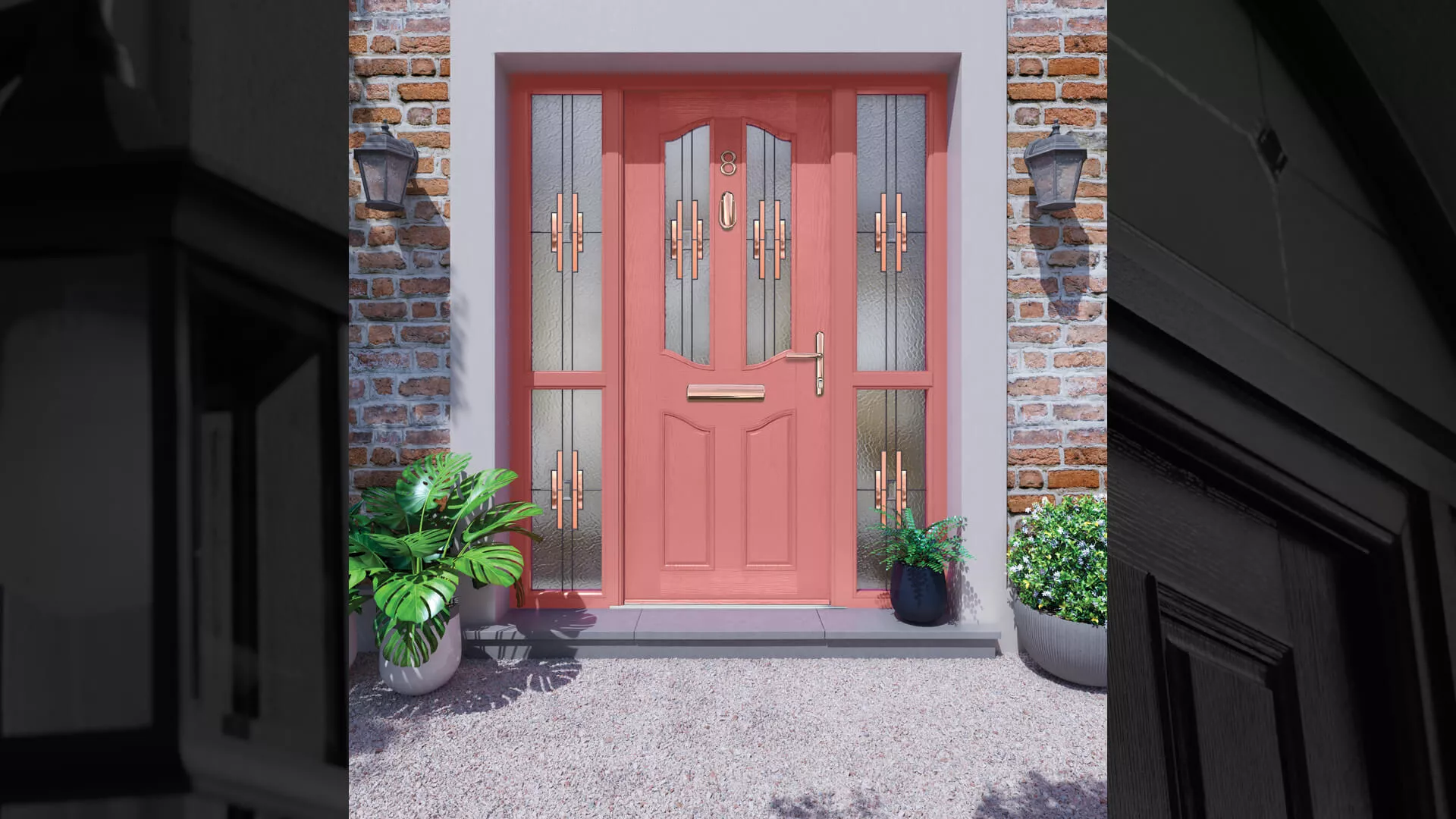
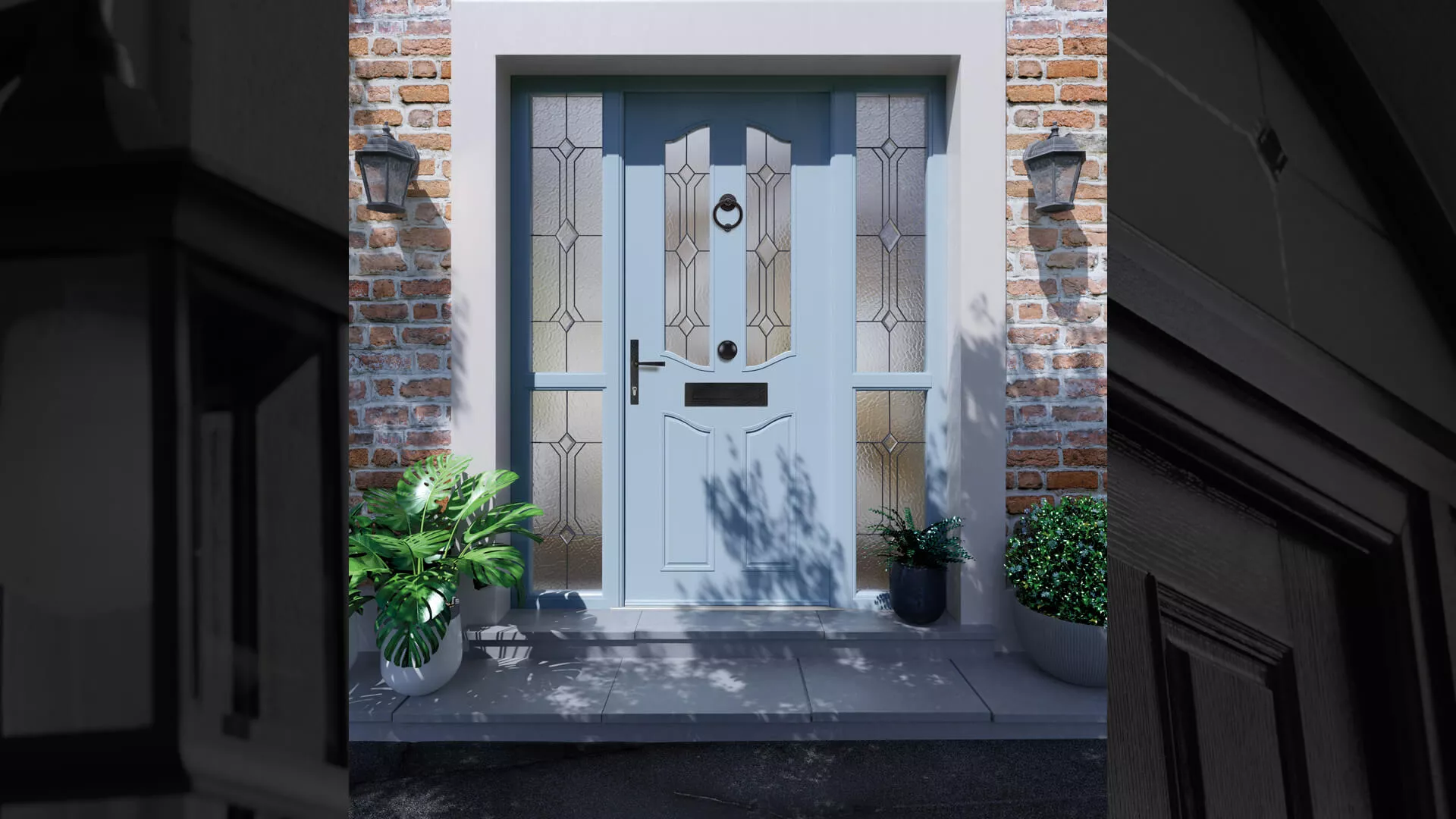
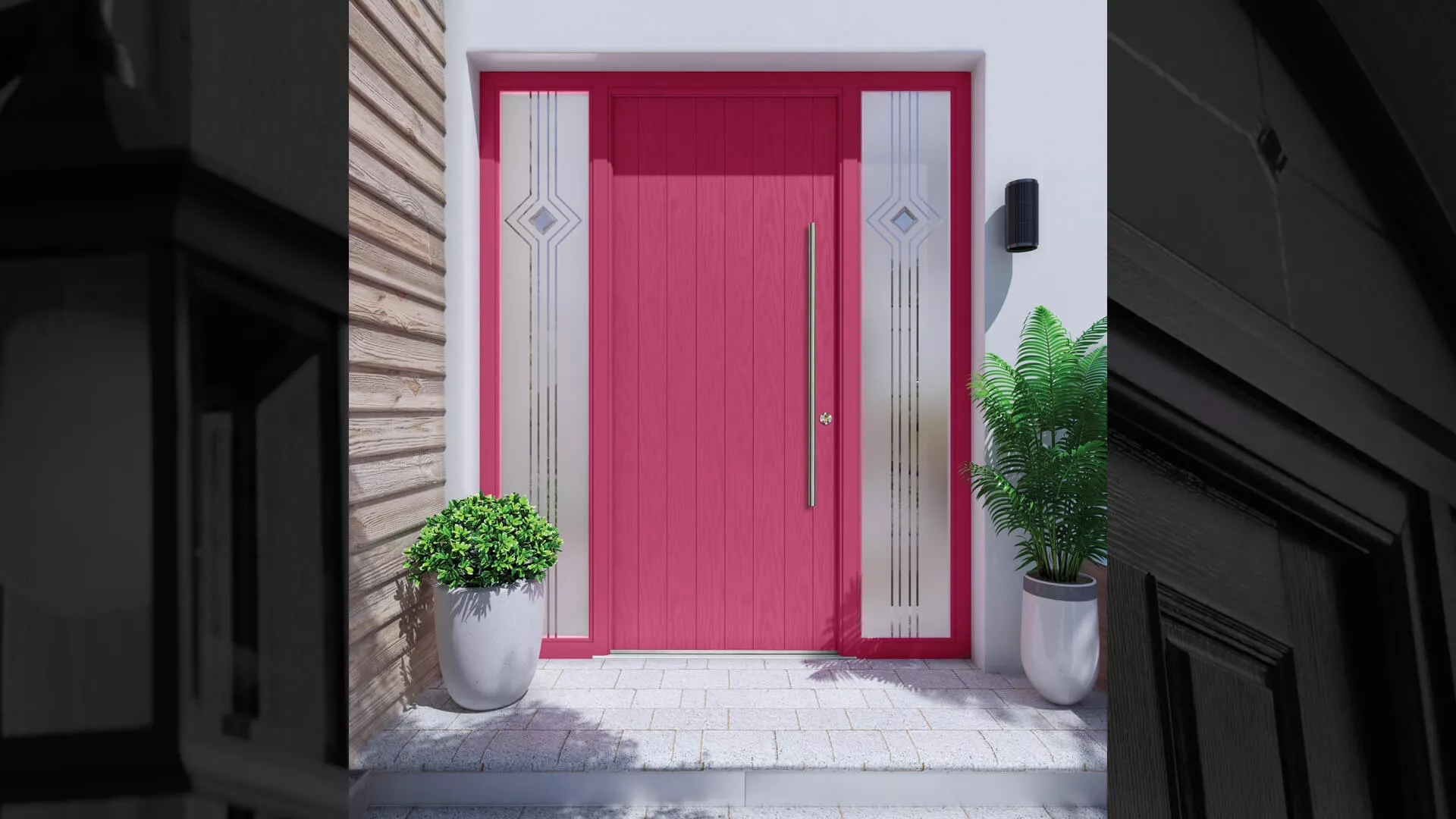
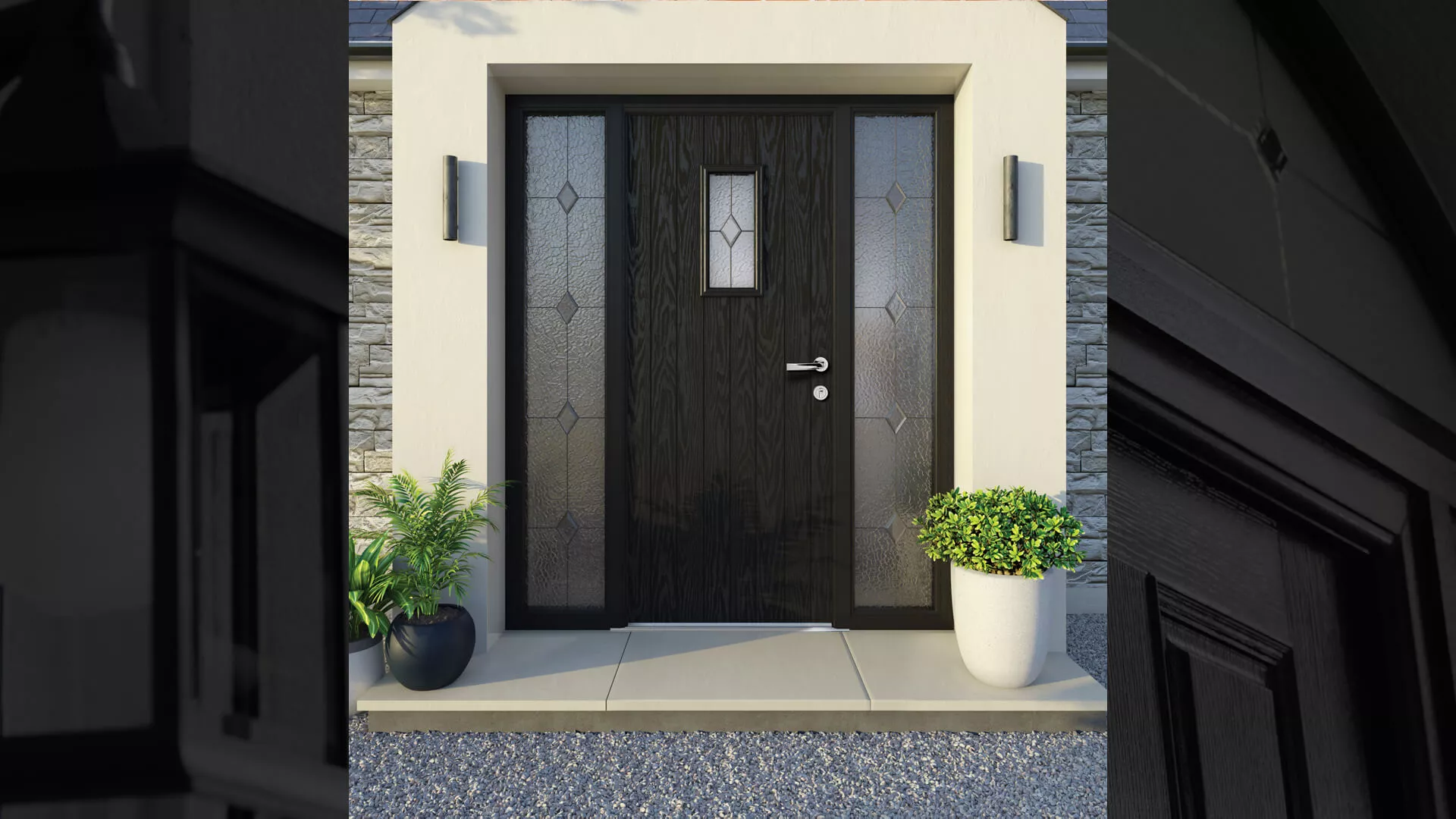
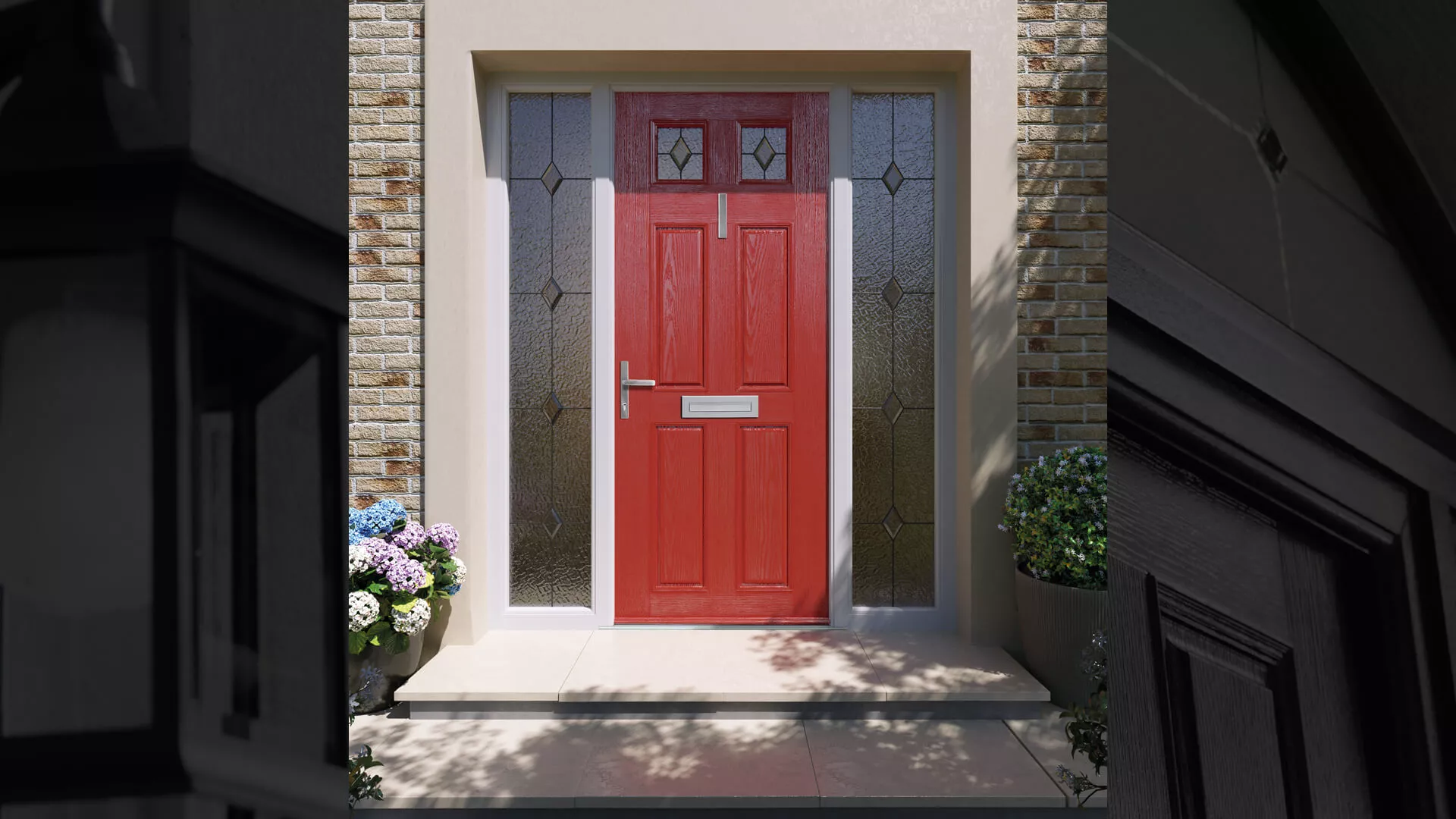
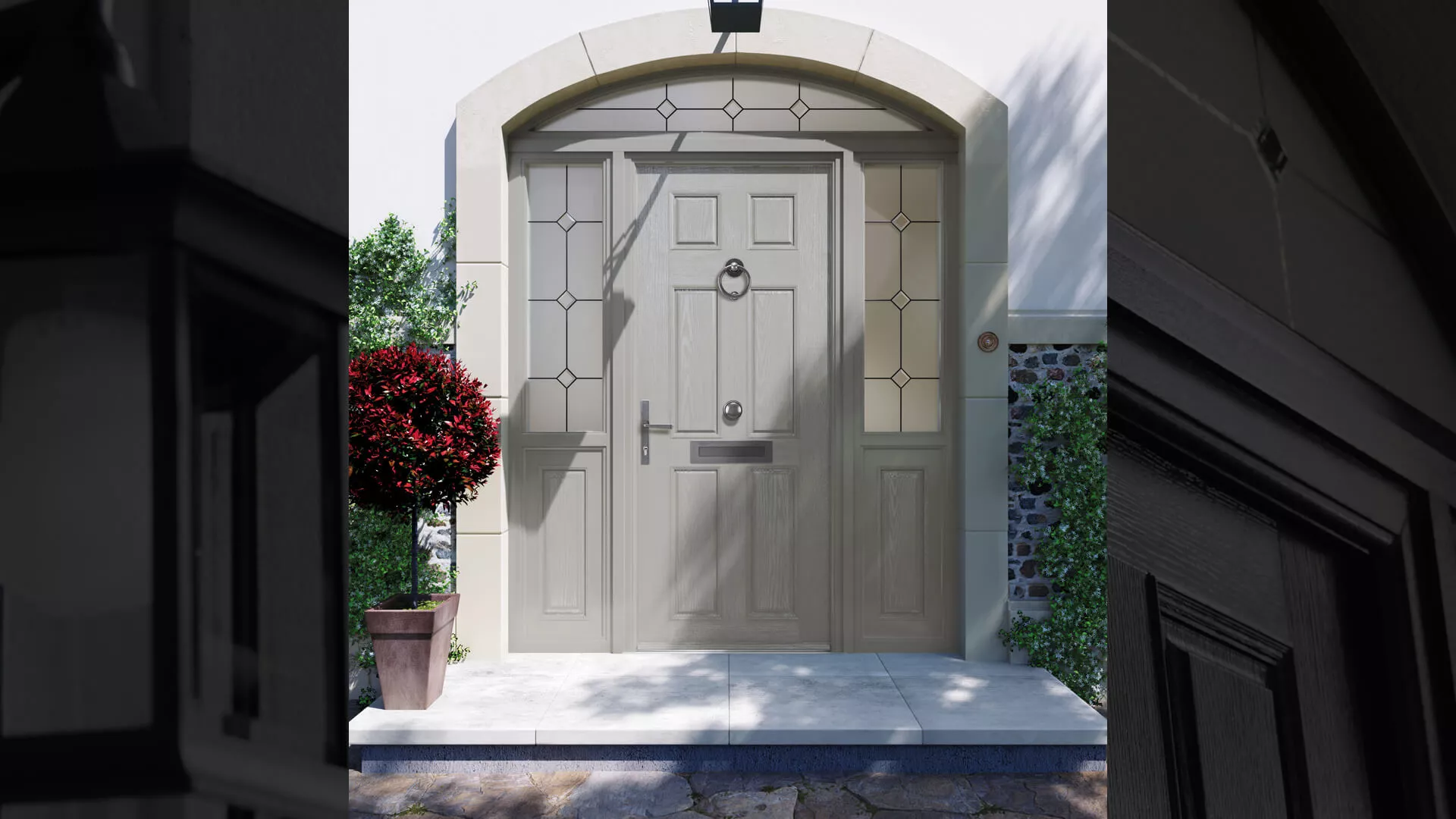
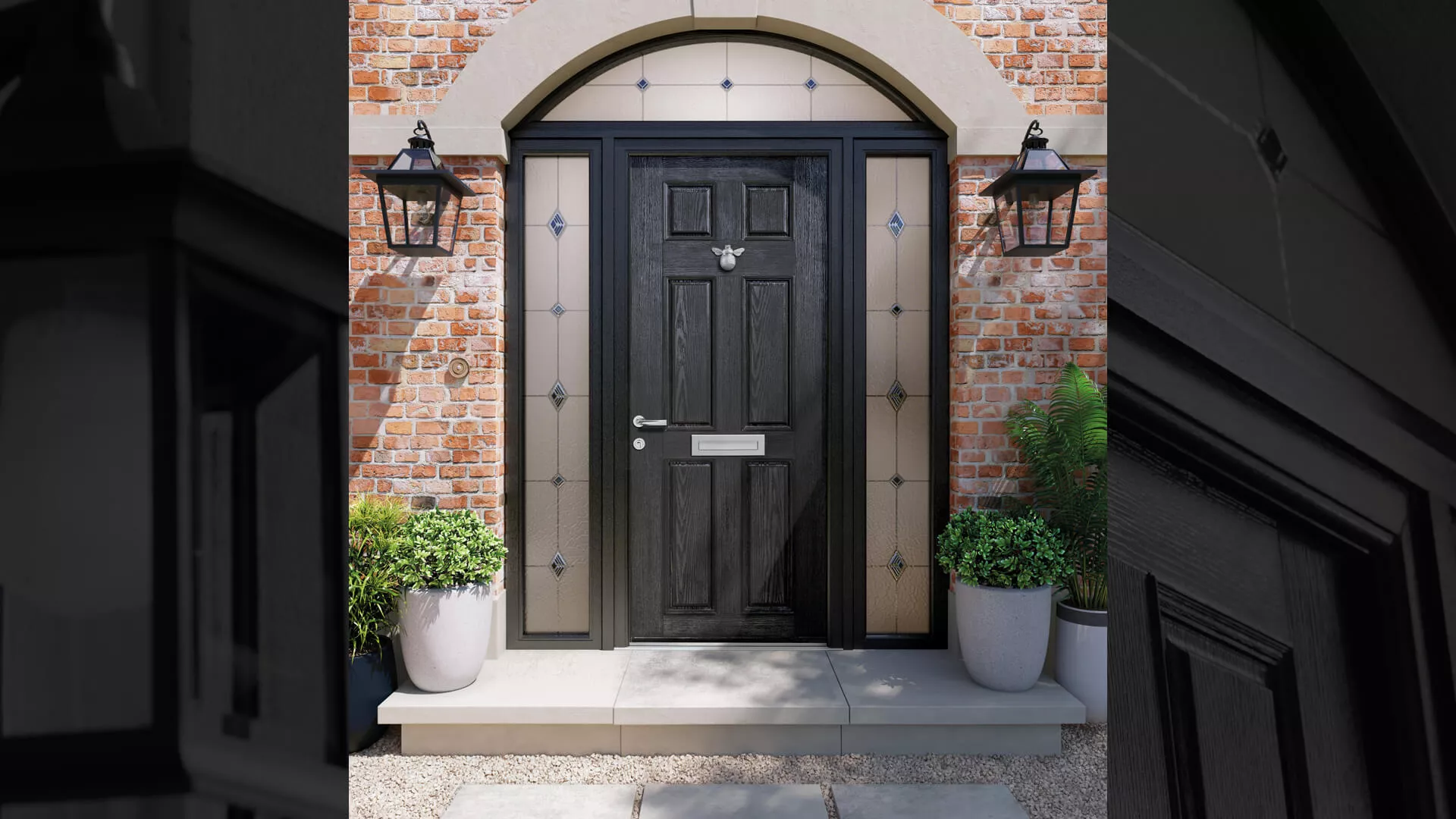
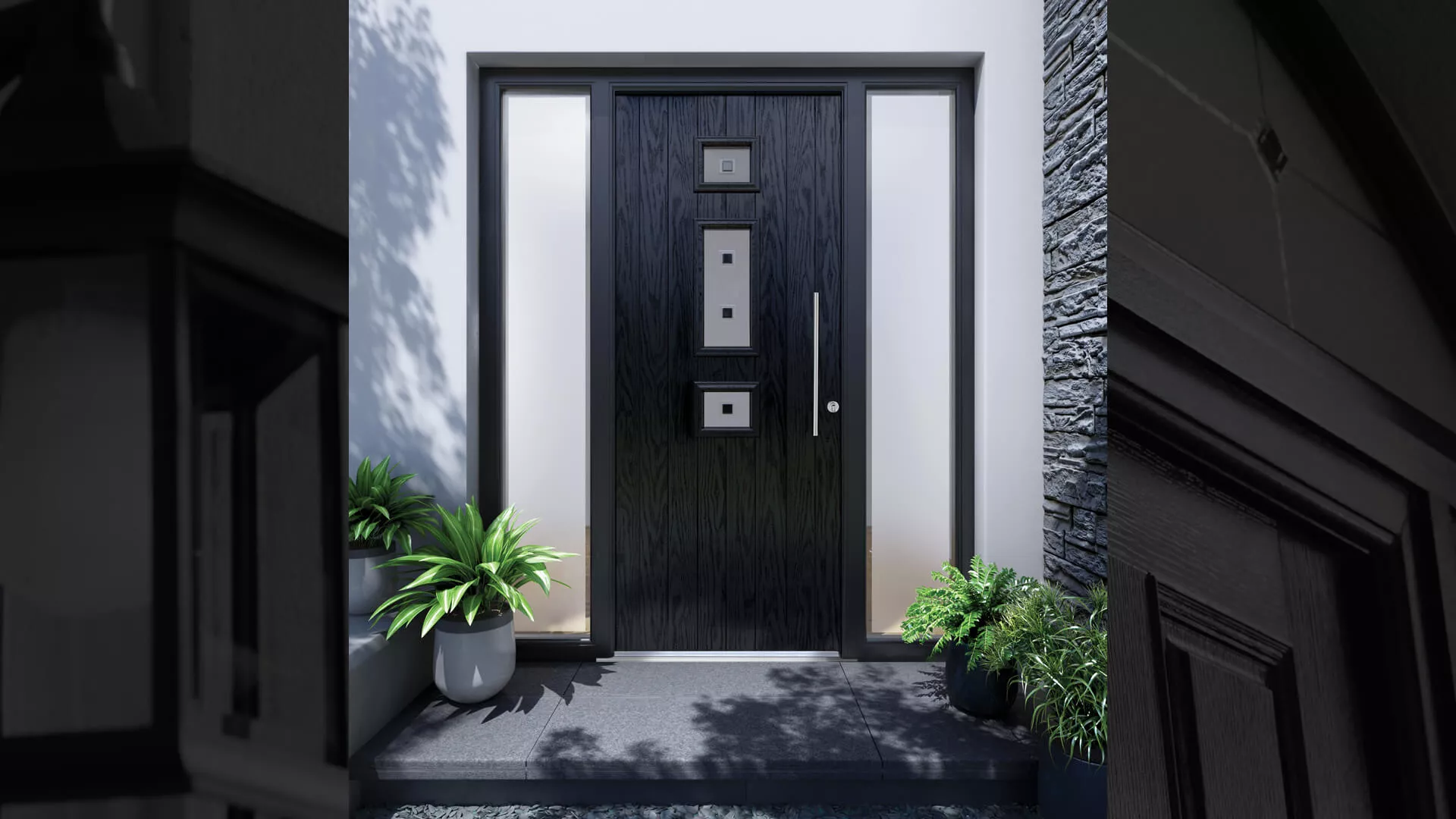
a fashionable design and vibrant colour add a wealth of kerb appeal.
Insulation stands out as a major upside and how heat loss will become practically non-existent, harvesting a wonderfully warm living environment, pointedly so in winter. Consequently, heating will be cheaper.
Ready to Upgrade Your Front Door?
We’ll end this article on what is a composite front door with a recap of the advantages offered. Improved security is a key benefit, as you need to feel safe in your home, and magnified insulation will stop rooms feeling cold. Additionally, it will smarten your entranceway and bring sophistication to it.
Speak to Bon Accord Glass if you wish to introduce a composite door into your home frontage. We’ll come out for a look at your existing doorway, suggest appropriate styles, and if commissioned to, do all the necessary fitting.
Find out what the current standard door sizes are in the UK.
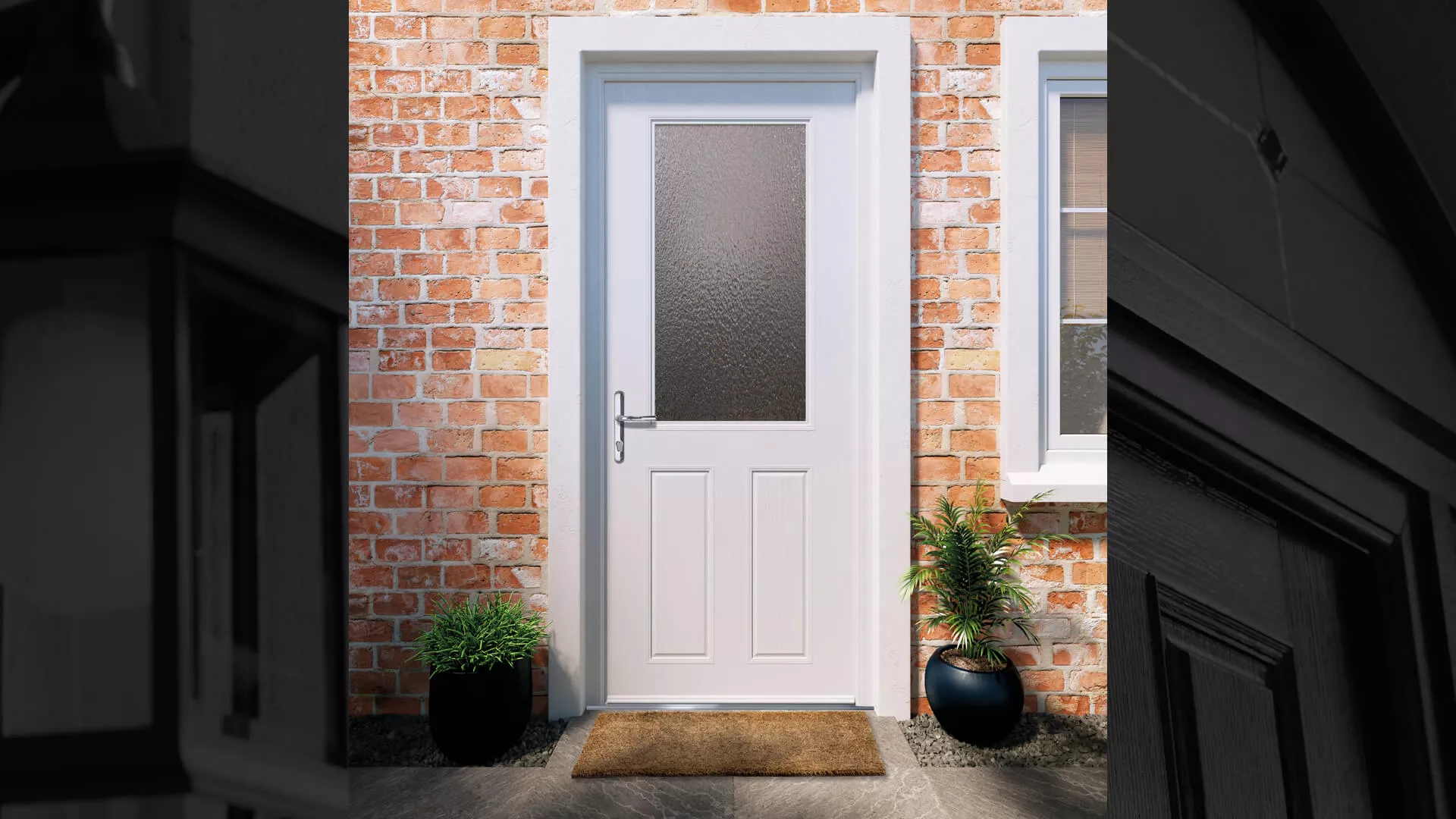
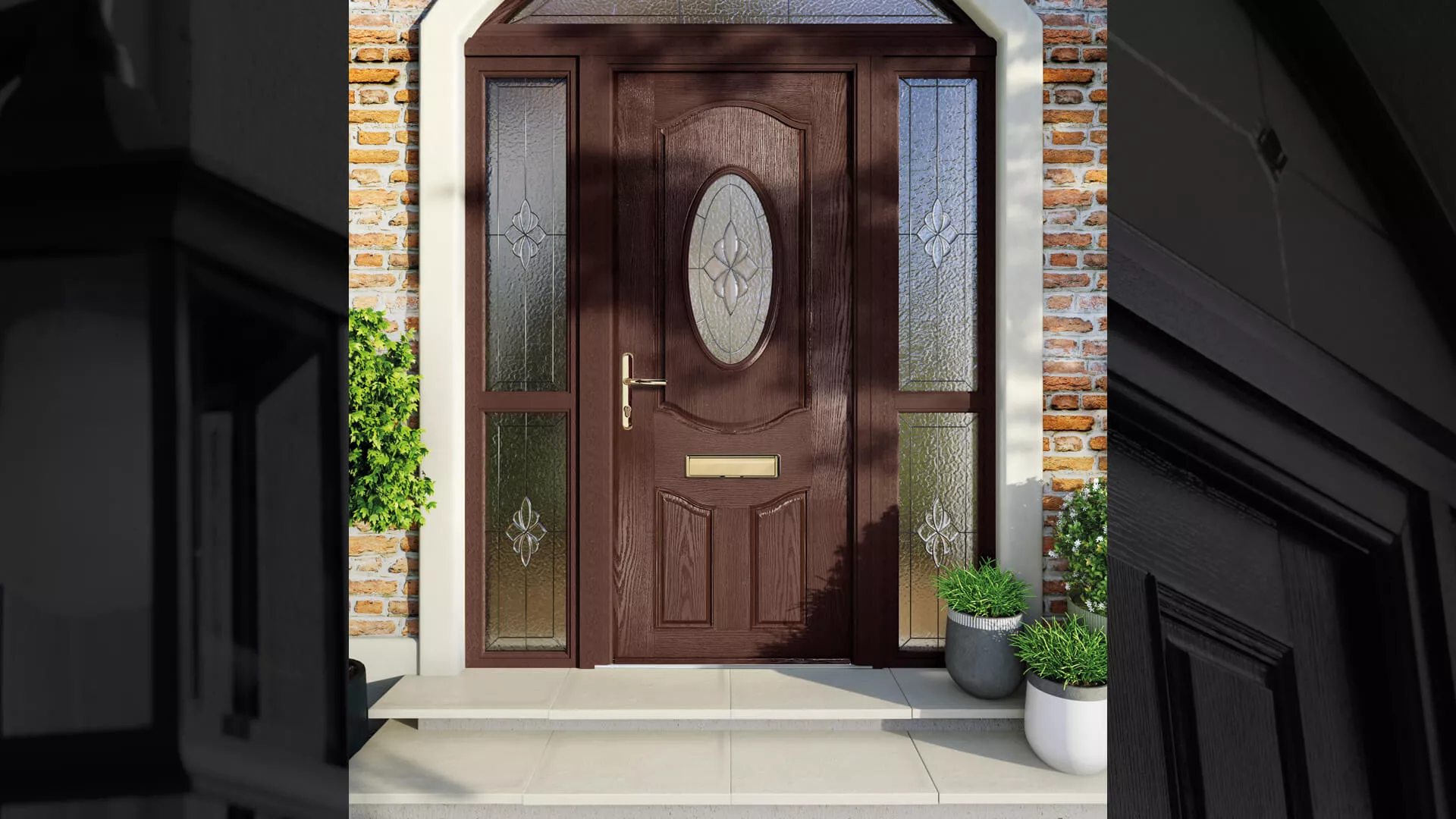
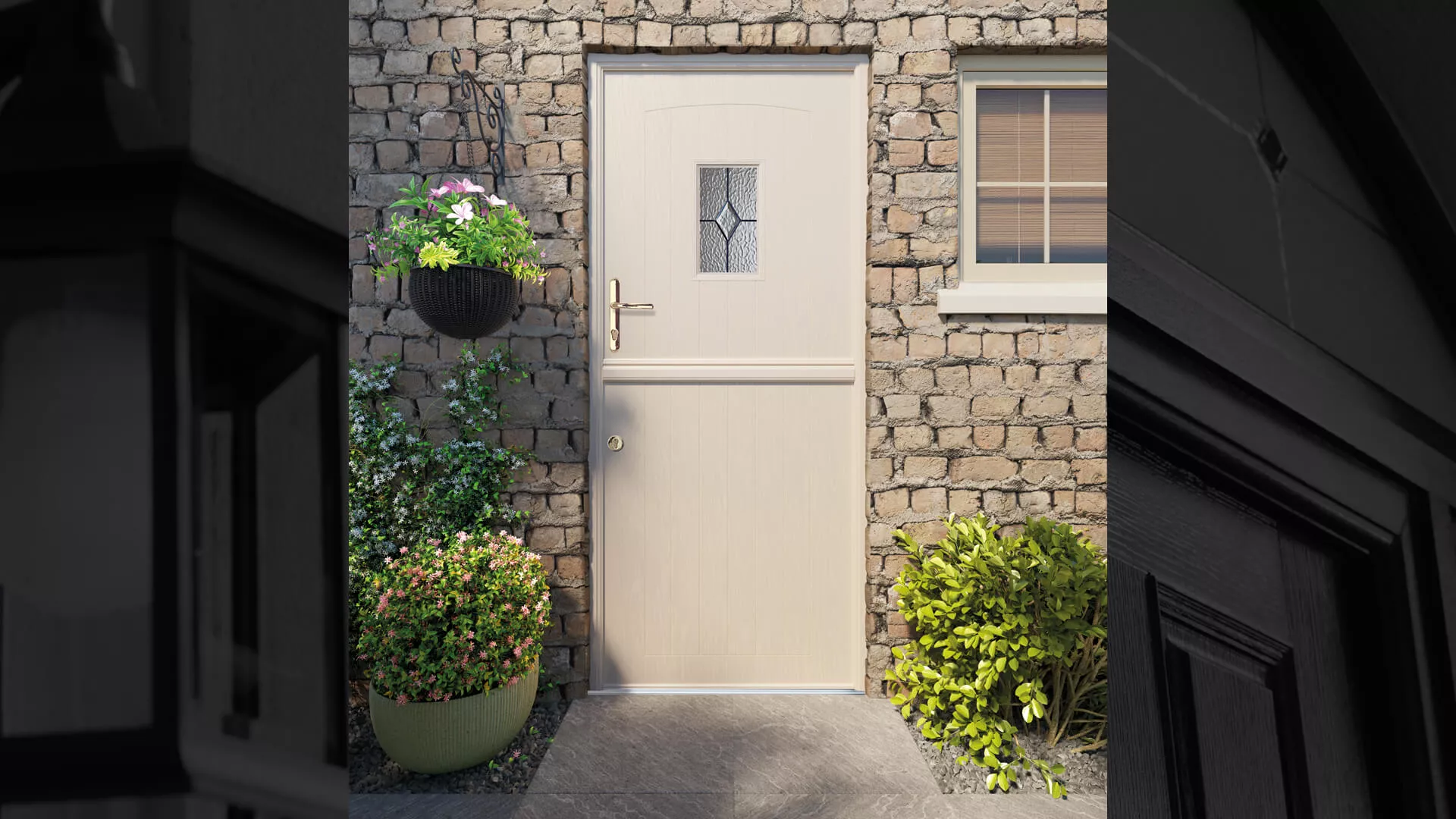
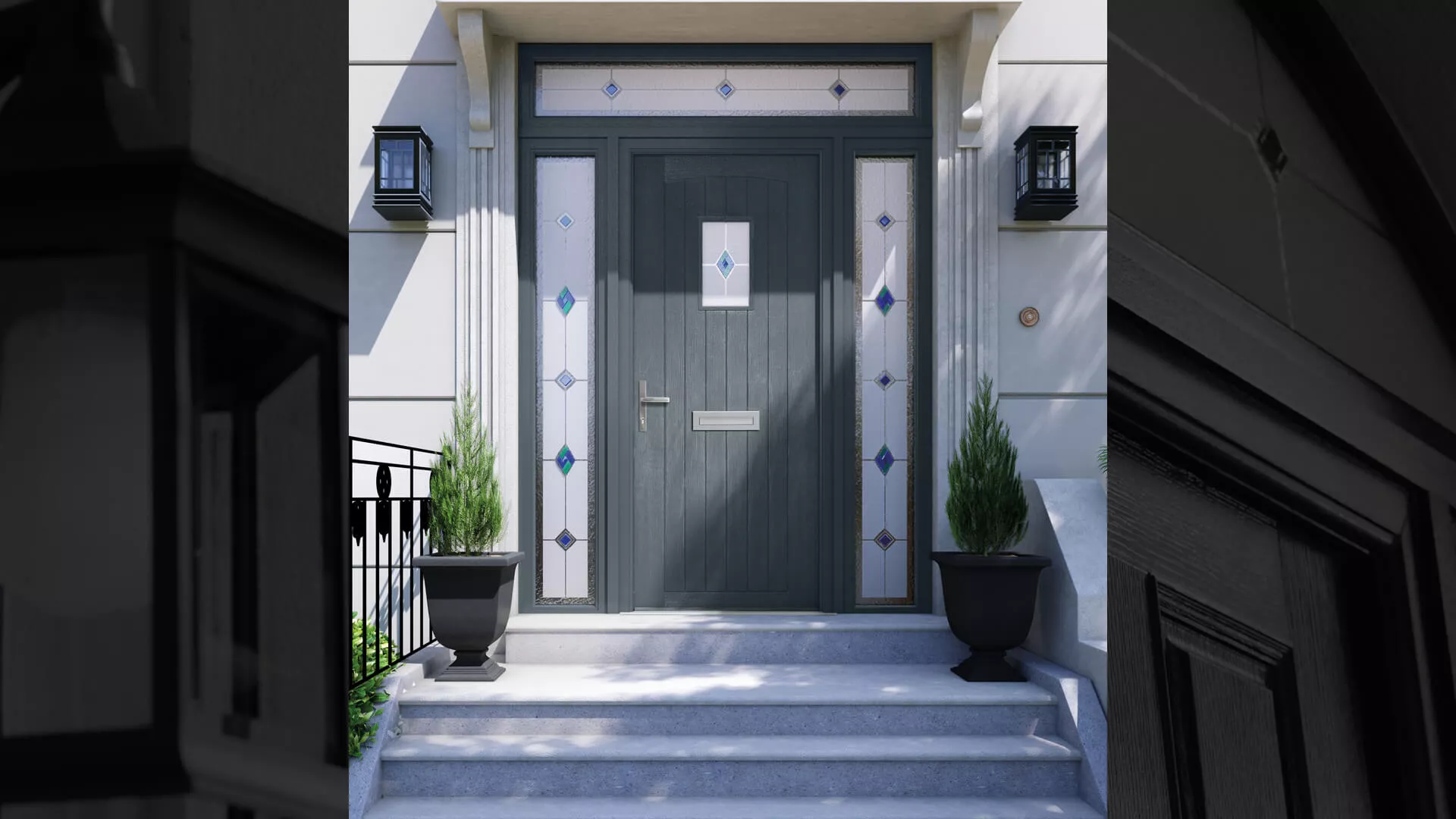
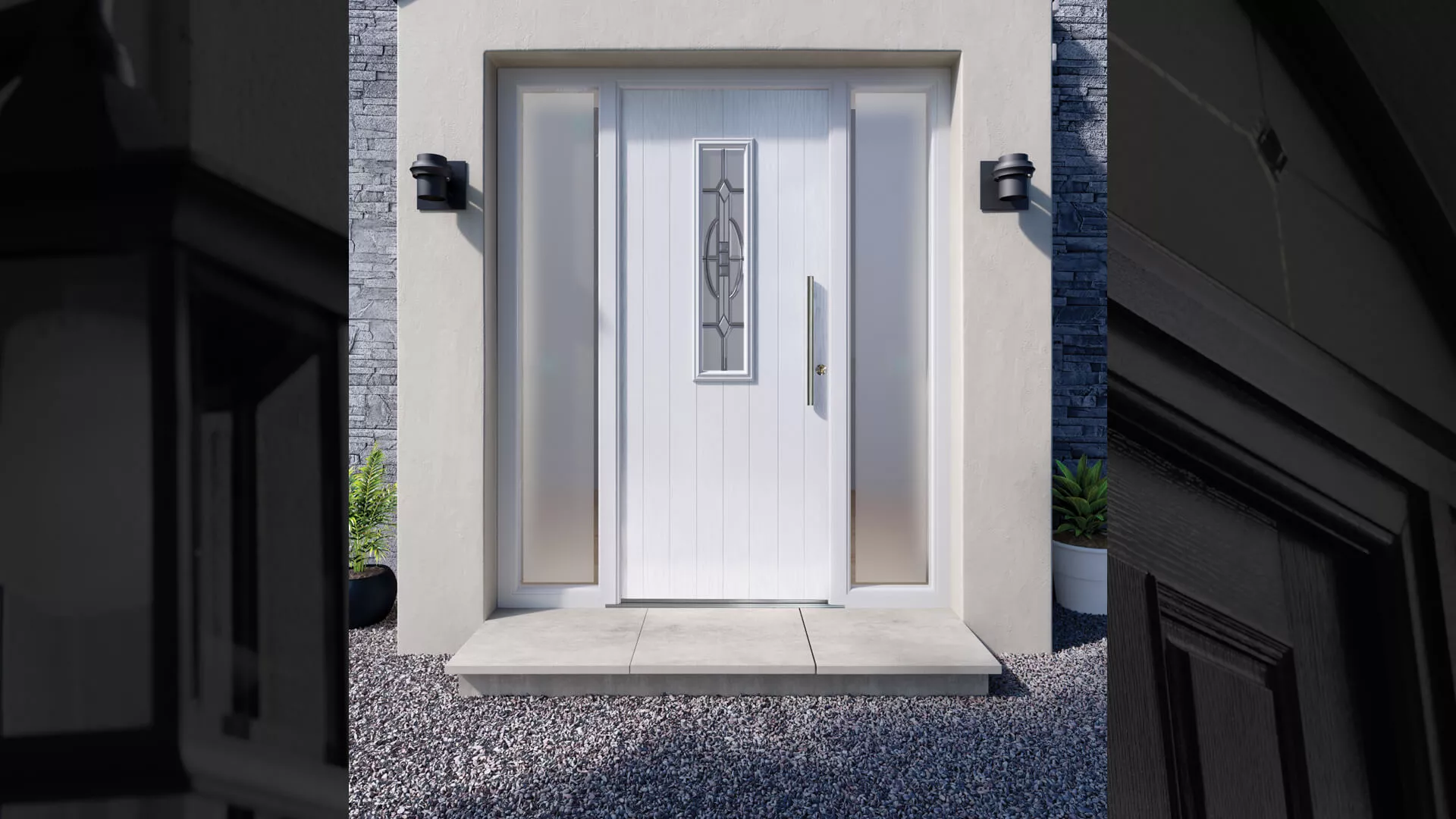
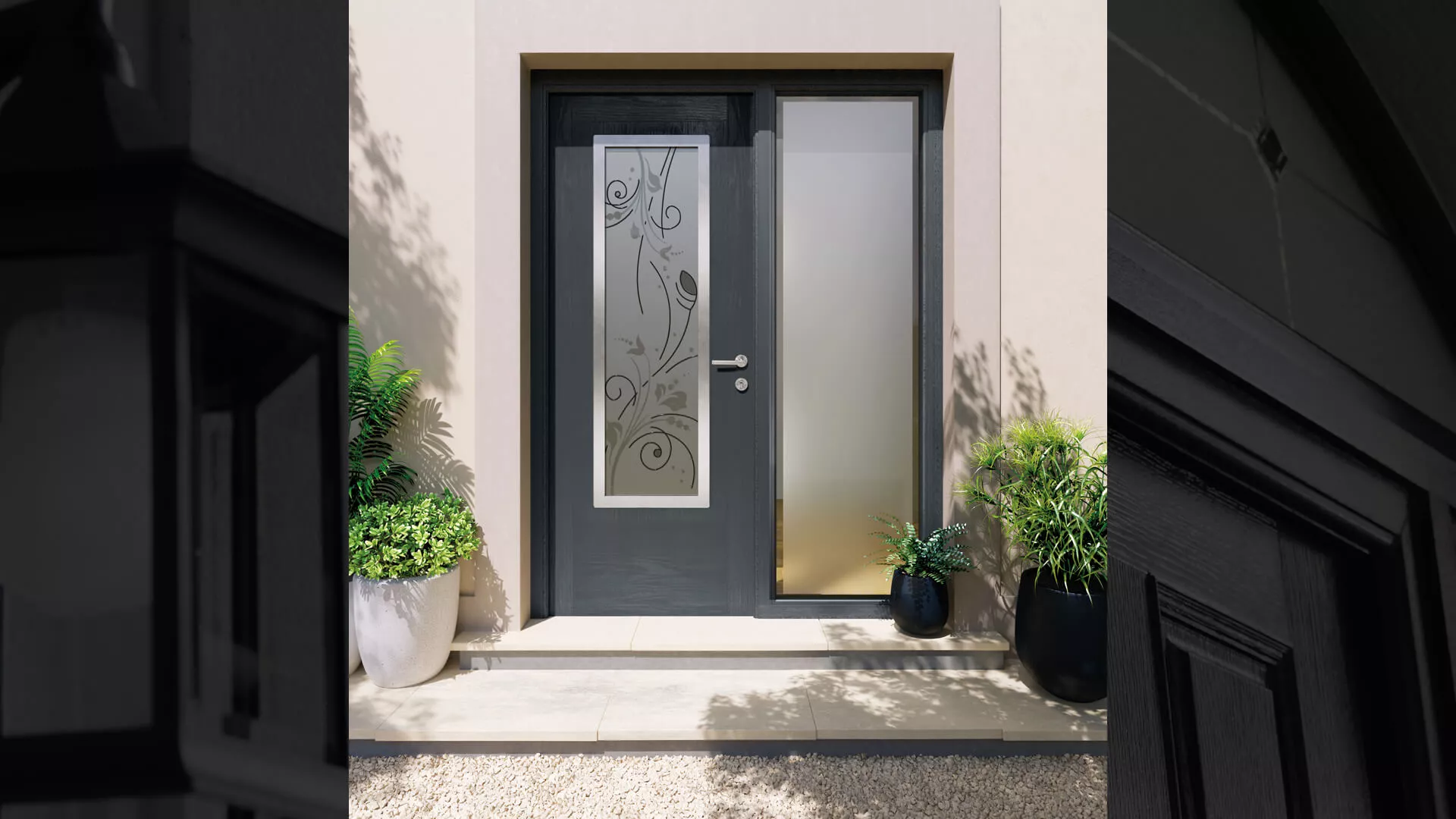
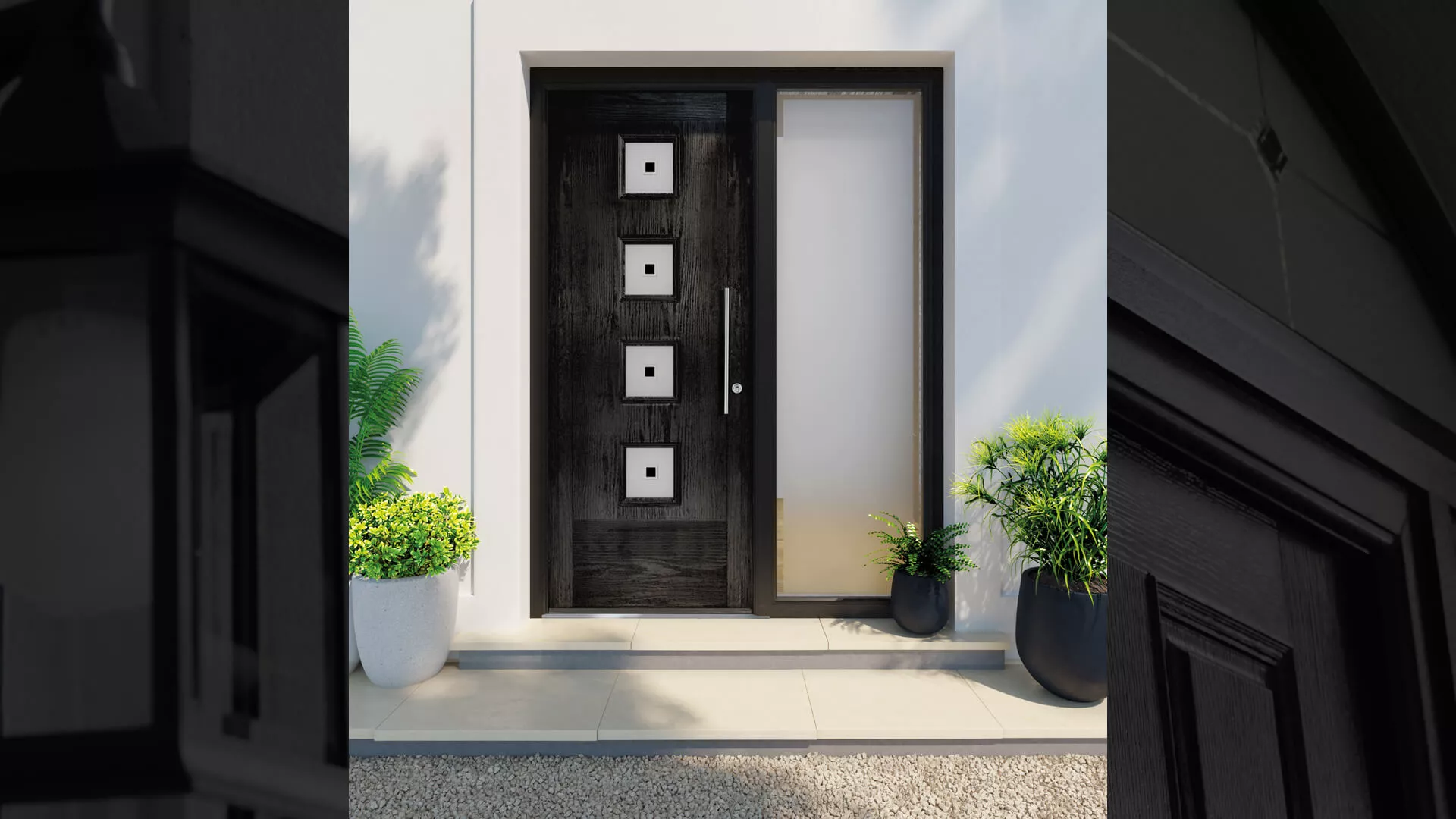
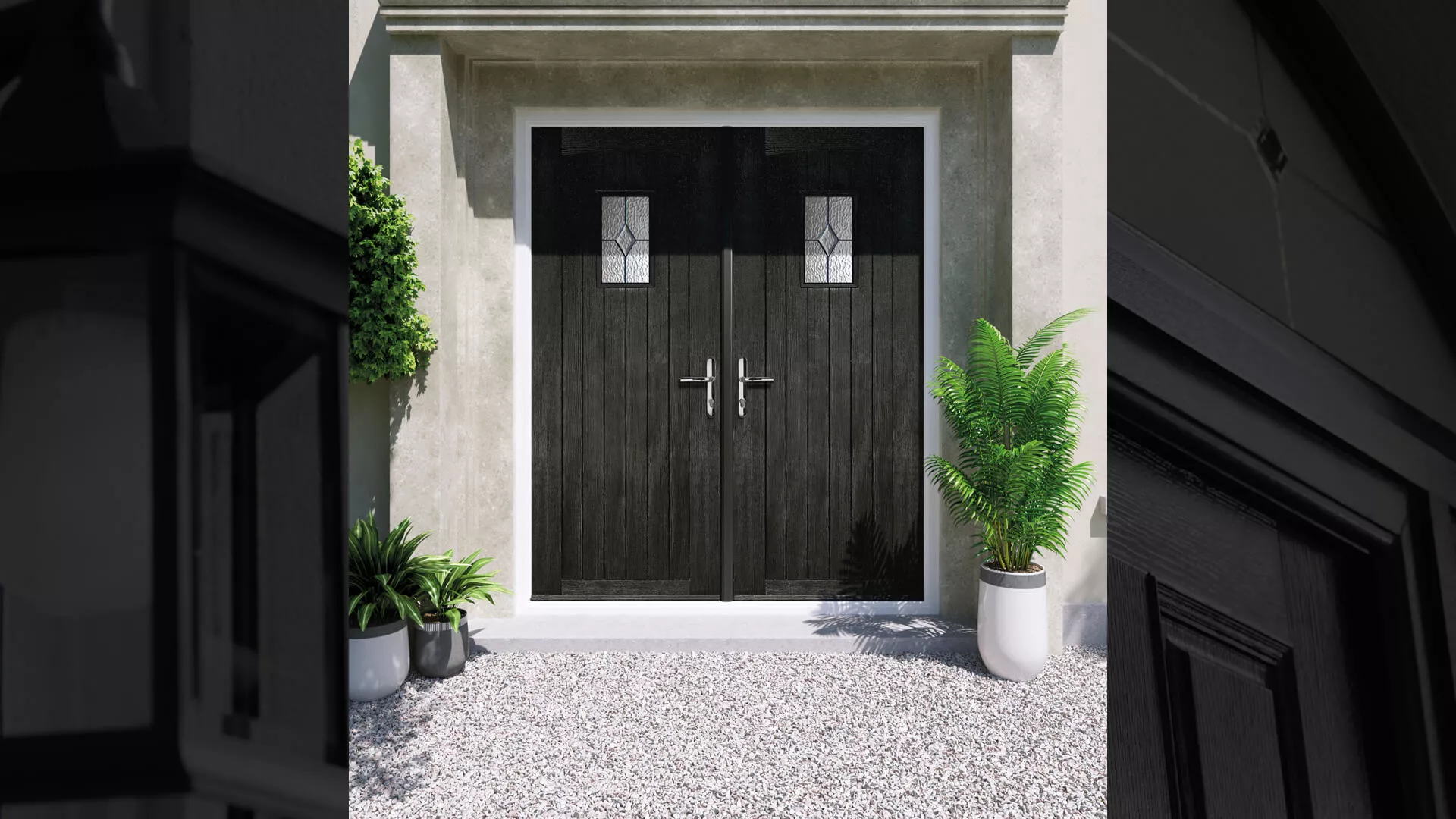
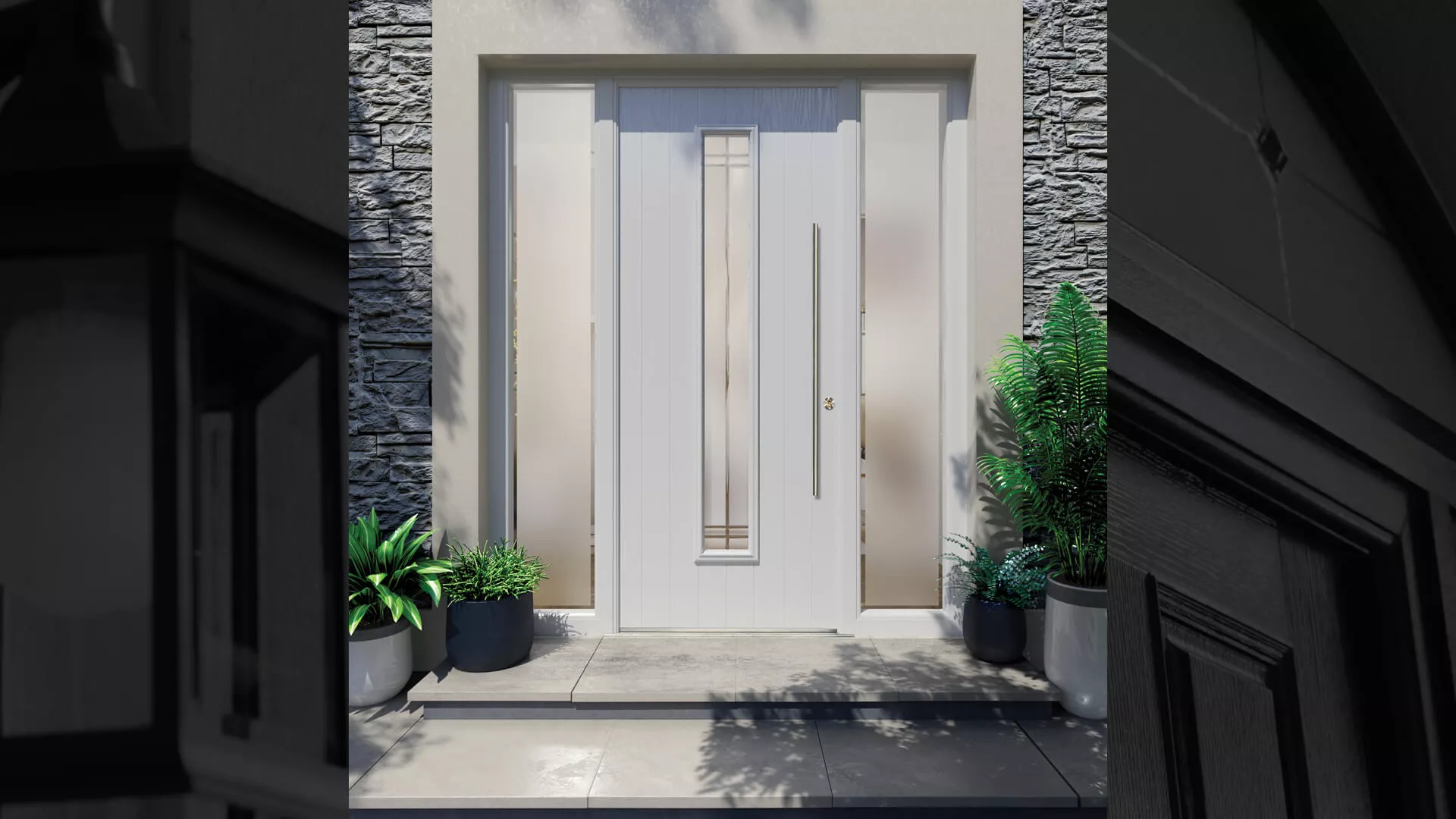
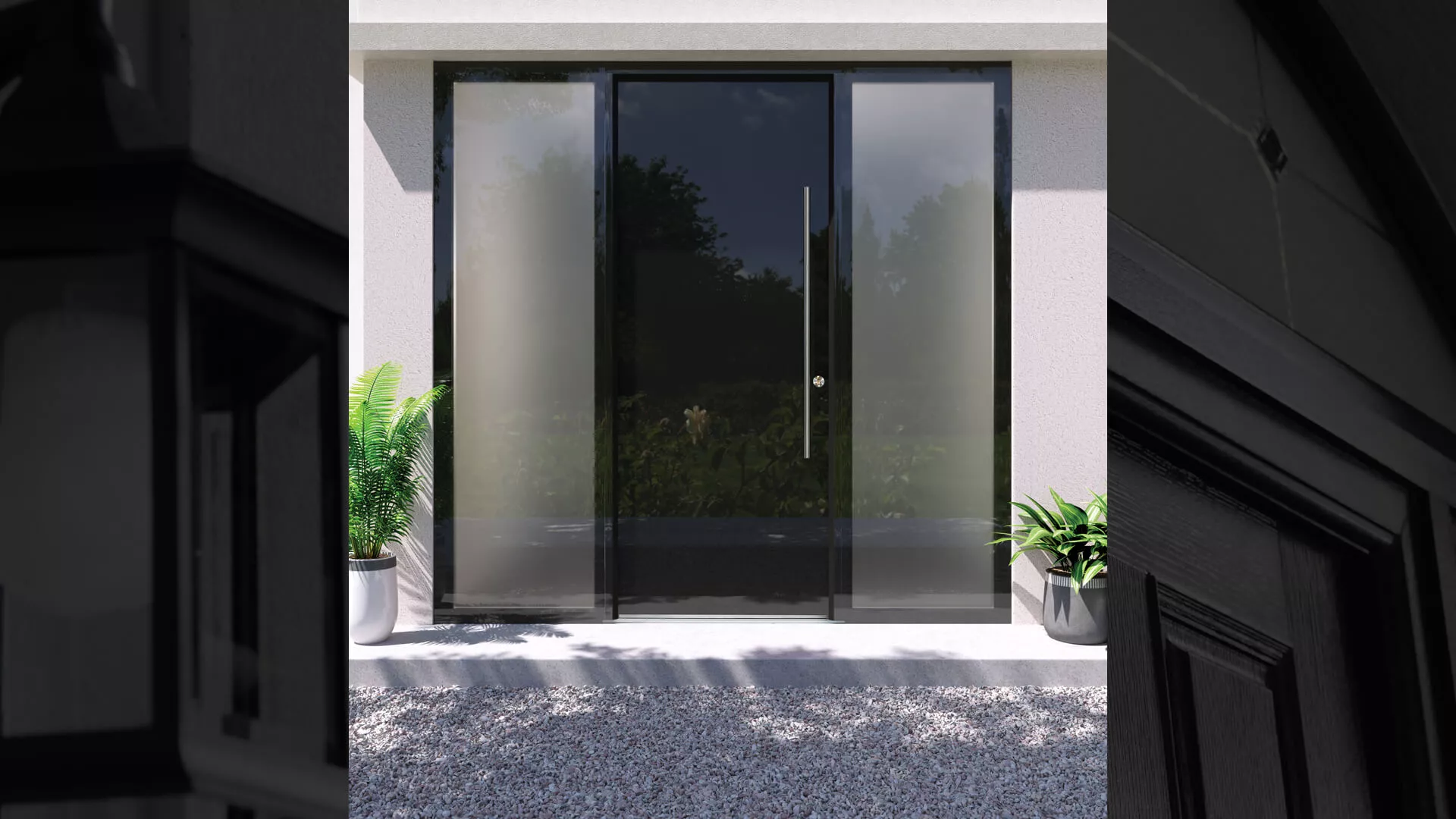
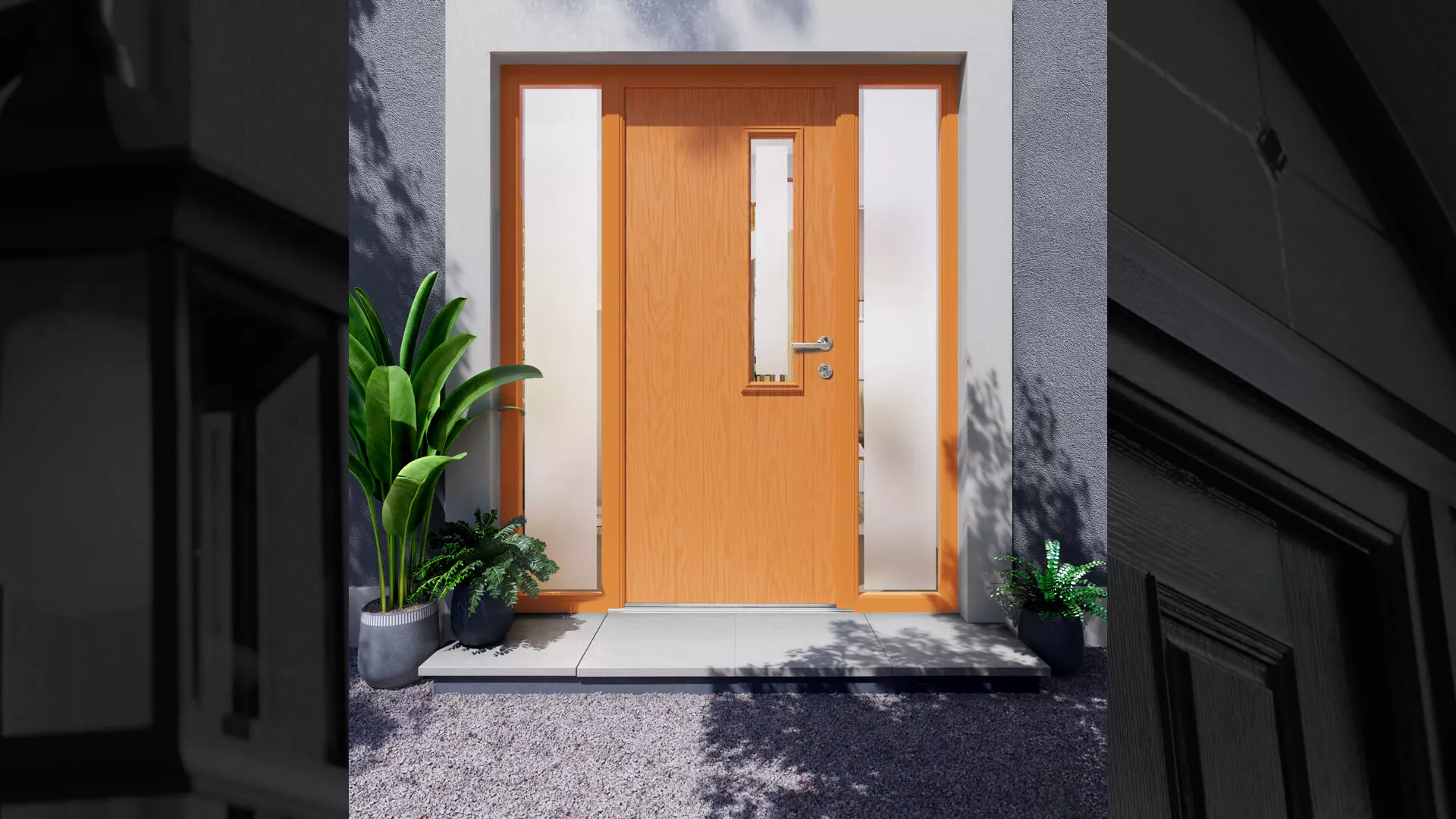
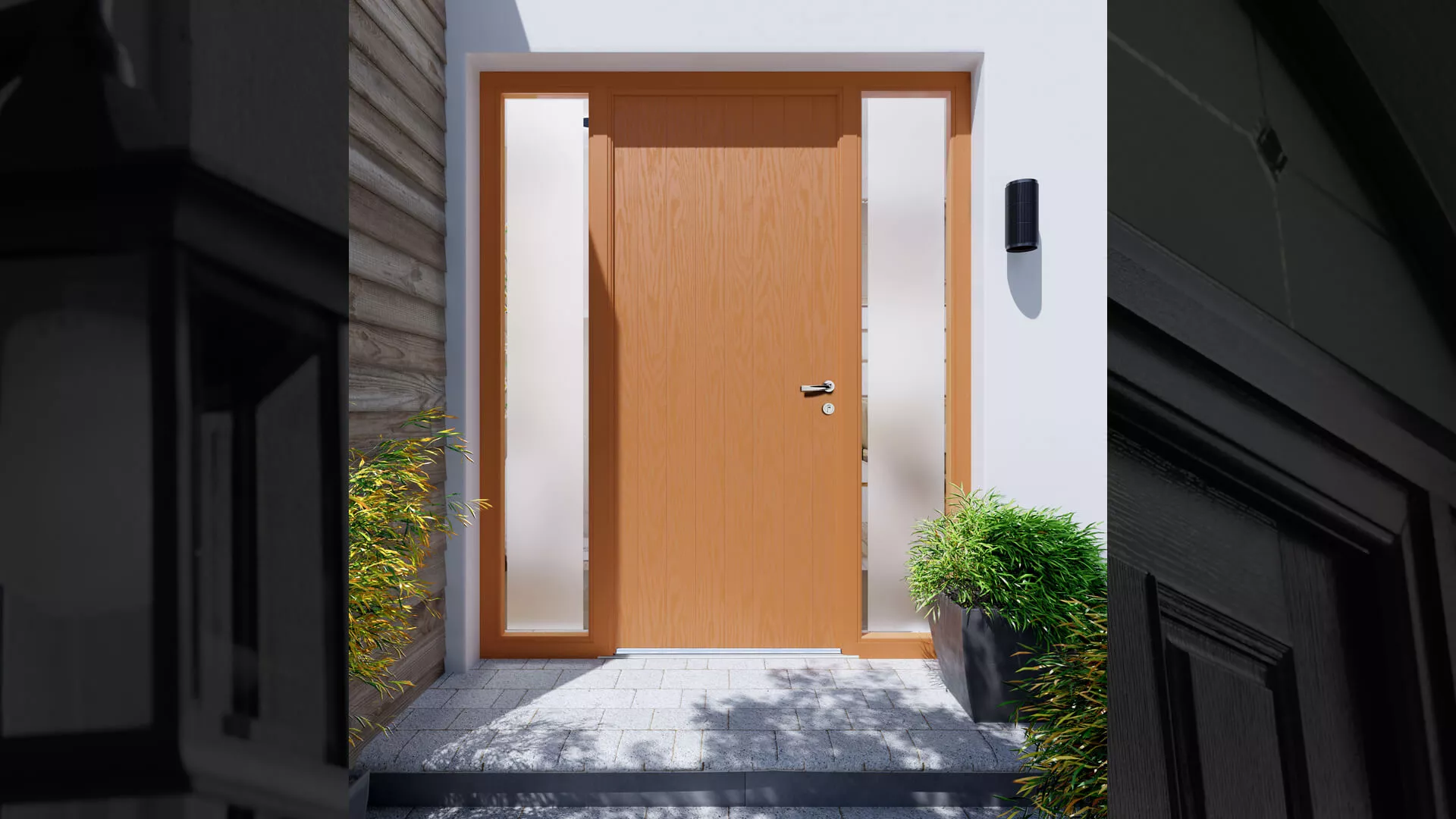
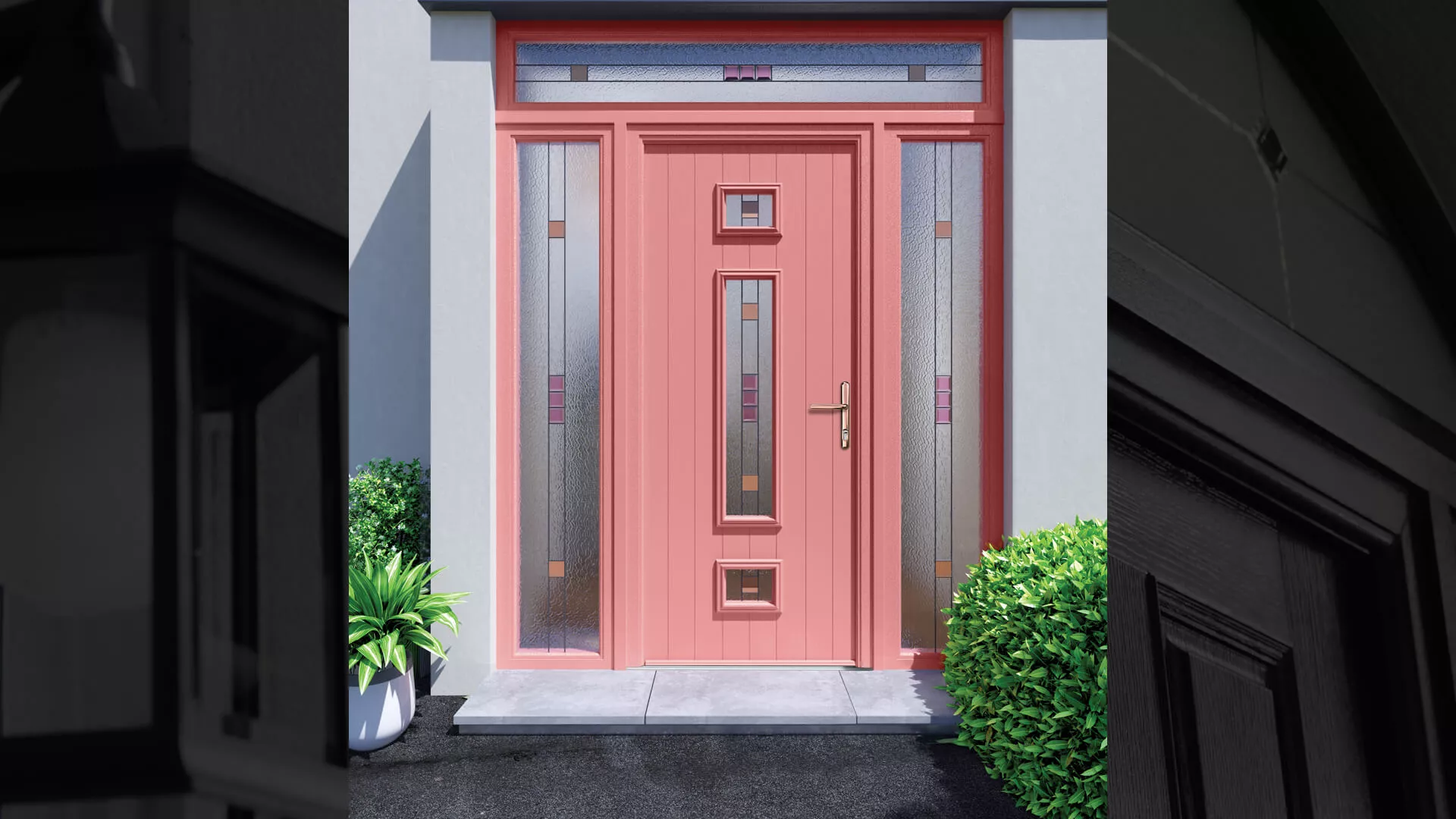
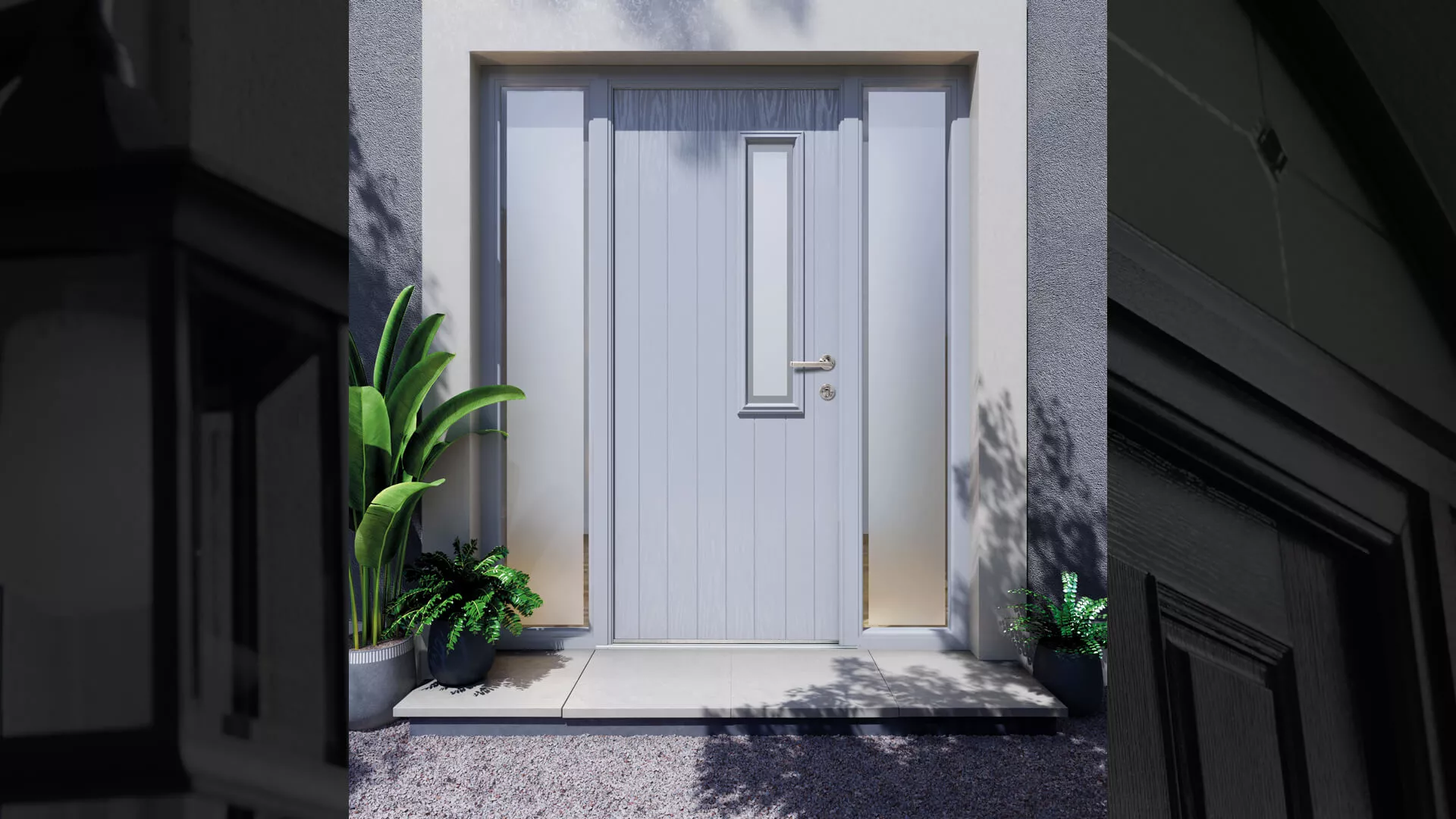
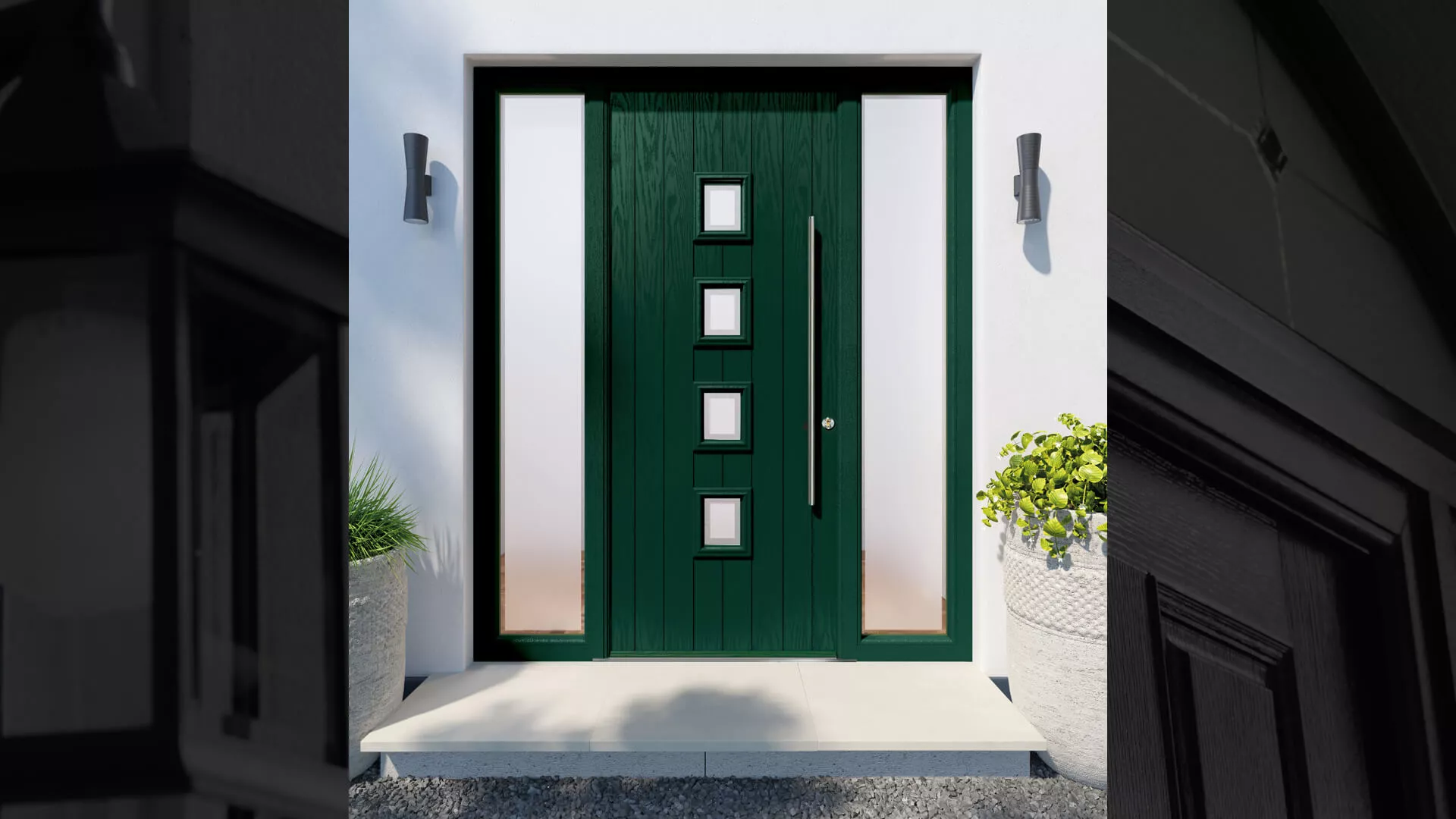
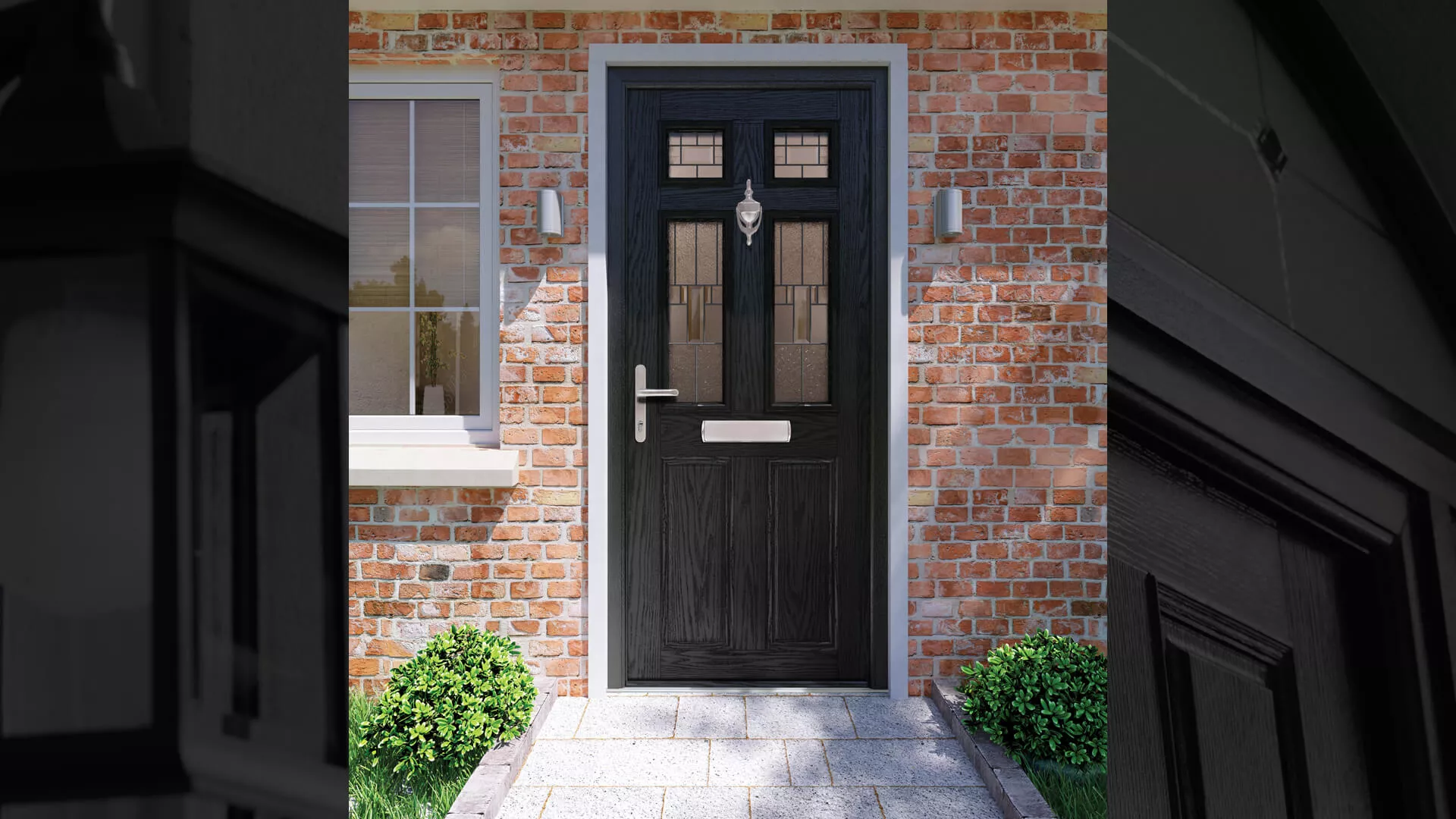
REQUEST YOUR FREE QUOTE
Simply fill in your details for your free, no obligation quotation, and click "Get Quote"
Want to speak with an Advisor? Give us a call on 01224 588944
Our friendly team will be pleased to help with any questions you may have.