
UK Window Sizes: Standard Dimensions and Advice
With homes across the UK varying so much in style and age, standard window sizes don’t always apply. The size and shape of your windows can depend heavily on your property type, meaning dimensions can differ quite a bit.
One of the biggest advantages of choosing professional installation is that fitters will measure your openings with precision, helping to ensure a seamless, gap-free fit.
In this guide, we’ll explore size charts for some of the most common window types. But first, let’s take a closer look at what “standard” window sizes really mean.
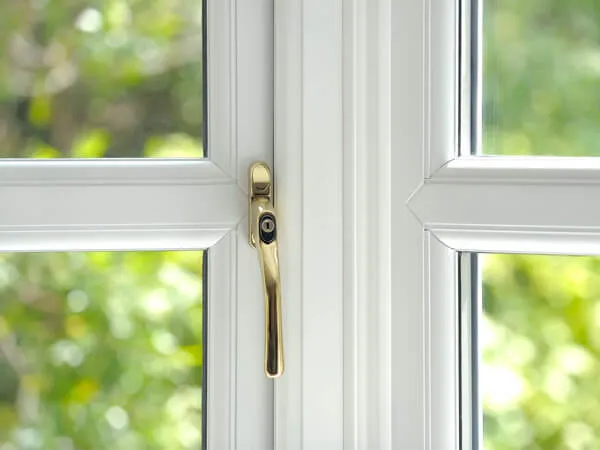
Standard UPVC Window Sizes
UPVC is the most popular window material used in Scottish homes, mainly thanks to its long-lasting durability and affordability. When comparing triple glazing, double glazing, and single glazing, double glazed glass remains the most commonly selected option.
Below, you’ll find two lists showing the standard UPVC window sizes for double glazed windows, one for height and one for width.
Average UPVC window height:
59 inches / 1500 millimetres
53.1 inches / 1350 millimetres
47.2 inches / 1200 millimetres
41.3 inches / 1050 millimetres
23.6 inches / 600 millimetres
17.7 inches / 450 millimetres
Average UPVC window width:
69.7 inches / 1770 millimetres
47.2 inches / 1200 millimetres
36 inches / 915 millimetres
24.8 inches / 630 millimetres
19.2 inches / 488 millimetres
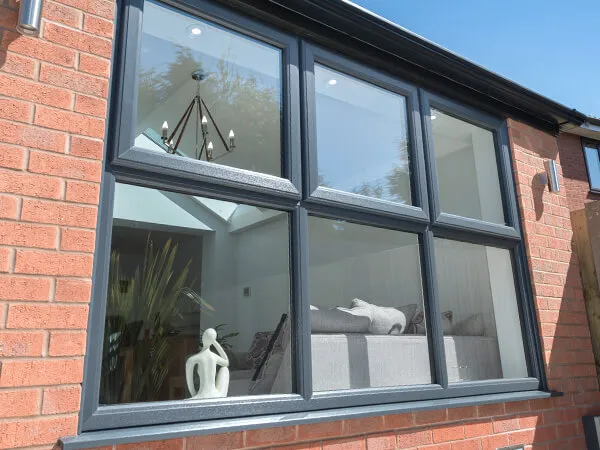
Standard Casement Window Sizes
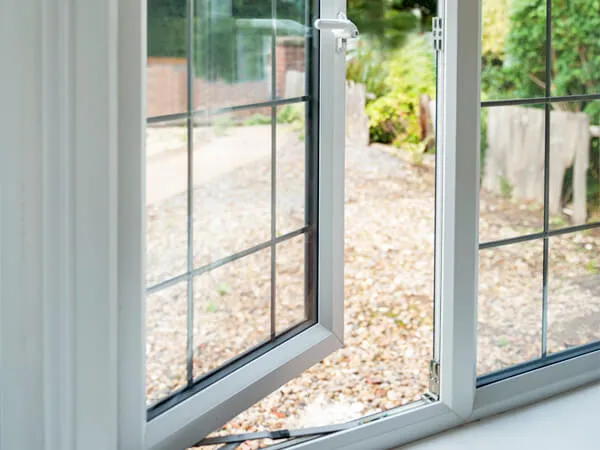
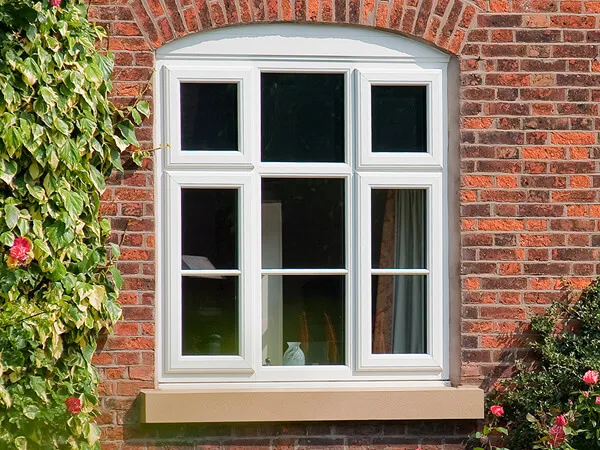
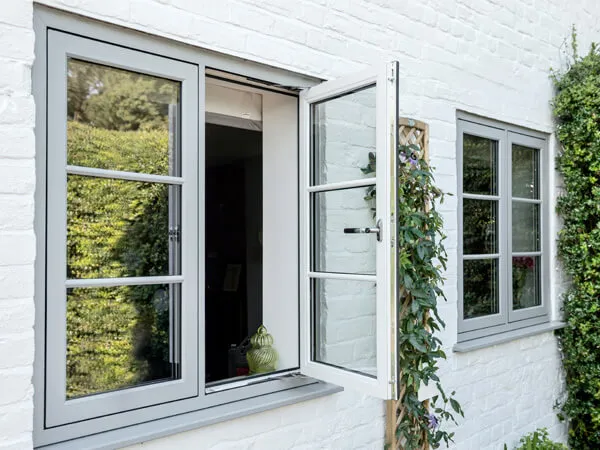
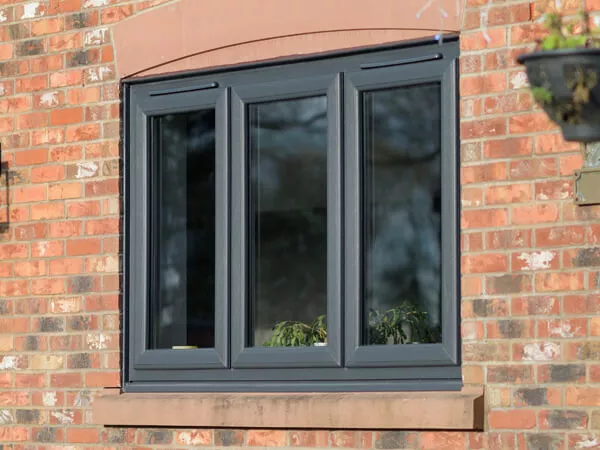
Casement windows are a timeless and highly versatile window style. As the most popular window design in the UK, they come in a wide range of configurations to suit all kinds of openings.
Take a look at the most common standard double glazed window sizes for the casement style in the list below:
25 x 36 inches / 635 x 890 millimetres
29 x 74 inches / 736 x 1194 millimetres
29 x 59 inches / 736 x 1498 millimetres
Standard Tilt and Turn Window Sizes
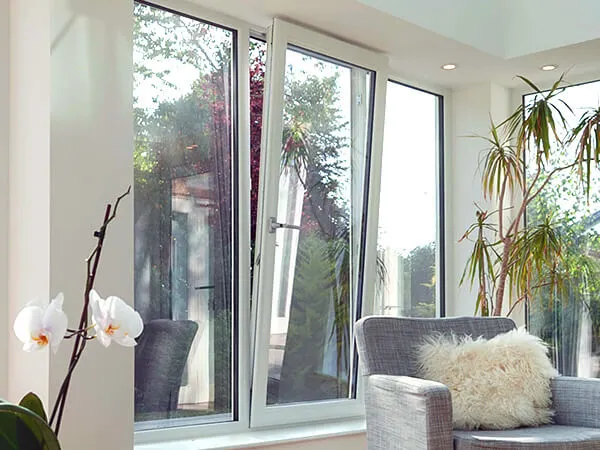
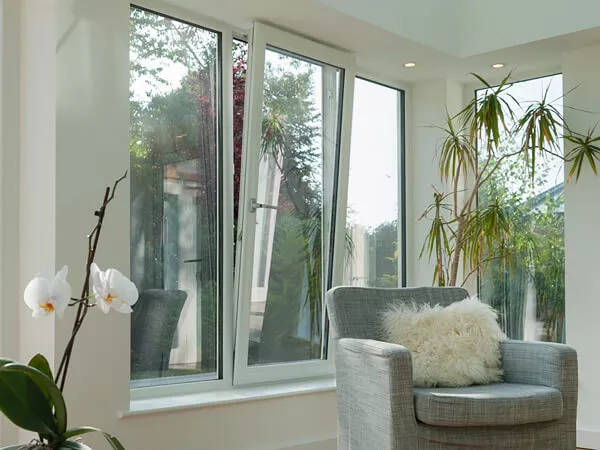
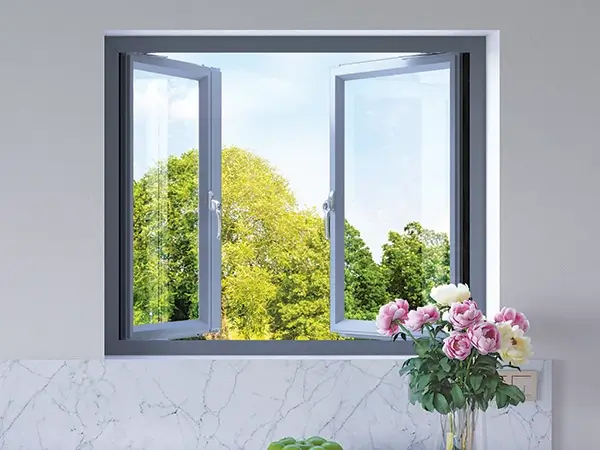
Tilt and turn windows are unlike any other replacement windows style on the market – they’re easy to clean and give homeowners excellent control over ventilation, which is especially valuable during the summer months.
The standard window sizes for single, double, and triple tilt and turn windows are as follows:
Single Tilt and Turn:
Min: 600 mm × 500 mm (23.6 × 19.7 in)
Max: 1900 mm × 1300 mm (74.8 × 51.2 in)
Double Tilt and Turn:
Min: 600 mm × 1200 mm (23.6 × 47.2 in)
Max: 1700 mm × 2400 mm (66.9 × 94.5 in)
Triple Tilt and Turn:
Min: 600 mm × 1600 mm (23.6 × 62.3 in)
Max: 1900 mm × 3000 mm (74.8 × 118.1 in)
Standard Sash Window Sizes
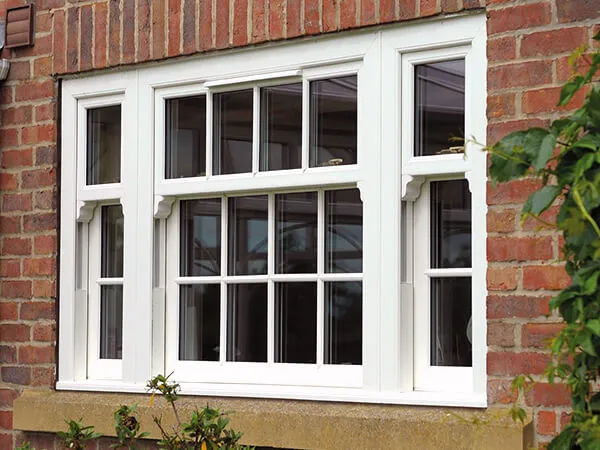
Sash windows elegantly replicate the traditional window styles of bygone eras. While they offer modern performance and provide an excellent window u value, their distinctive appearance makes them a natural fit for cottages and country homes. They’re also a popular choice for adding charm and character to more contemporary properties.
The standard widths for sash windows are as follows:
Sash Window Standard Widths:
914 mm (36 in)
1219 mm (48 in)
1524 mm (60 in)
1829 mm (72 in)
2134 mm (84 in)
Sash Window Standard Heights:
609 mm (24 in)
914 mm (36 in)
1219 mm (48 in)
1524 mm (60 in)
Standard Bay Window Sizes
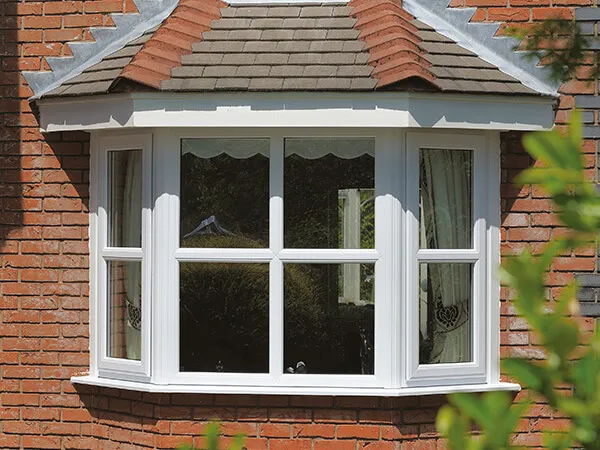
When it comes to double glazed windows, bay windows are a popular choice as they create a striking focal point from the outside while flooding your interiors with natural light. Their outward projection gives the illusion of a larger room, and they can even accommodate built-in seating for a cosy window seat.
Take a look at the standard window sizes for bay windows in standard window sizes cm and inches below:
Bay Window Standard Widths:
Min: 1016 mm (3 ft 6 in)
Max: 3200 mm (10 ft 6 in)
Bay Window Standard Heights:
Min: 914 mm (3 ft)
Max: 1981 mm (6 ft 6 in)
Typical Window
Sizes By Room
Bathroom
Typically smaller in size, bathroom windows are designed to maintain privacy while still letting in a touch of natural light.
Typically smaller in size, bathroom windows are designed to maintain privacy while still letting in a touch of natural light.
Living Room
Often the largest of the windows in a home, living room windows are made to maximise daylight and create a bright, welcoming atmosphere.
Often the largest of the windows in a home, living room windows are made to maximise daylight and create a bright, welcoming atmosphere.
Kitchen
Kitchen windows are usually positioned higher, often above the sink, and tend to be shorter in height. Natural light remains important here, especially in open-plan kitchen-diners, helping the space feel fresh and functional.
Kitchen windows are usually positioned higher, often above the sink, and tend to be shorter in height. Natural light remains important here, especially in open-plan kitchen-diners, helping the space feel fresh and functional.
Bedroom
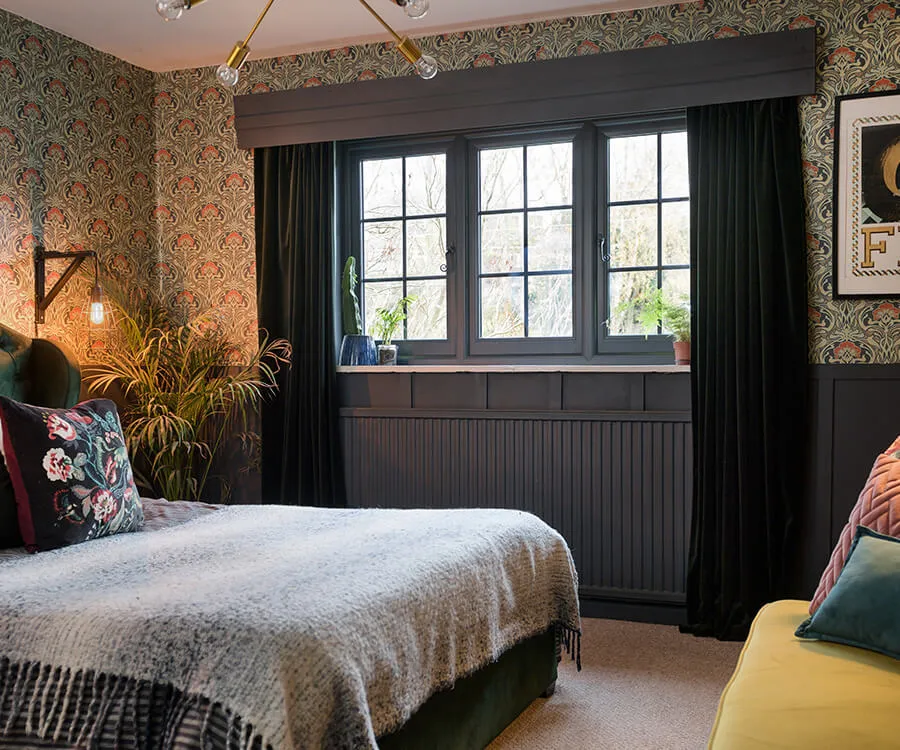
Bedroom window sizes can vary widely depending on the home’s design. Some feature large windows to welcome in the morning sun, while others favour smaller, snug openings to support a restful ambiance.
Bedroom window sizes can vary widely depending on the home’s design. Some feature large windows to welcome in the morning sun, while others favour smaller, snug openings to support a restful ambiance.
How Window Material Affects Standard Sizes
The window material you choose can impact the standard sizes on offer, as well as the level of flexibility you’ll have when it comes to design and customisation.
UPVC – Coloured UPVC windows typically follow the most common standard sizes, making them a practical and budget-friendly option for modern homes. Their dimensions usually match standard UK window openings, which helps simplify the replacement process.
Timber – Timber windows are often bespoke, particularly in period homes or conservation areas. They’re usually crafted to match the property’s original style and proportions, so standard sizing may not always be relevant.
Aluminium – Thanks to its natural strength, aluminium can support slimmer frames and larger panes of glass. This makes replacement aluminium windows ideal for creating wide or tall openings, perfect for maximising natural light while maintaining structural integrity.
How to Measure Windows Accurately
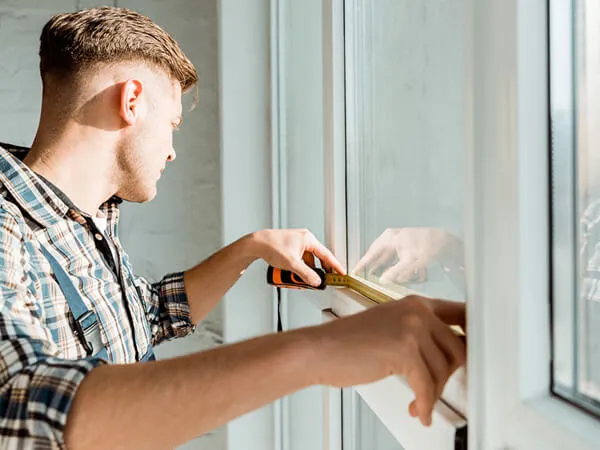
If you’re thinking about replacing your windows and want a rough idea of the sizes required for quotes, taking accurate measurements is a smart first step. Follow this simple, step-by-step guide to get started.
Take measurements from the outside
Find your tape measure and head outside – measuring from the external brickwork gives the most accurate results, rather than measuring from inside your house. While you’re there, check out our guidance on how to clean windows outside.
Always note down three measurements for width and height
For each window opening, measure the width in three places (across the top, middle, and bottom). Then repeat the process for the height, measuring on the left side, in the centre, and on the right. This helps account for any small irregularities in the frame or surrounding brickwork.
Check for squareness
To check if your window opening is square, measure diagonally from corner to corner in both directions. If the two measurements are nearly identical, your opening is square. If there’s a noticeable difference, it’s worth mentioning to your installer.
Allow for fitting tolerance
When measuring for replacement windows, remember to allow for a fitting tolerance. Deduct around 5-10mm from both the width and height to give the installer enough space to adjust and ensure the frame fits properly.
Key Points About Standard UK Window Sizes
We hope this blog has helped you understand the average window sizes in the UK. Whether you’re updating your entire home or just replacing one window, knowing the right sizes is only the beginning, and we’re here to support you throughout the process.
Rest assured, the expert team at Bon Accord Glass will take precise measurements to ensure your new windows fit perfectly, while also matching the style and age of your property.
Replacing your windows is a big decision, and we understand you may have many questions. For more window-related queries, like is triple glazing better than double glazing, head over to our blog for more expert advice.
Looking for new replacement windows?
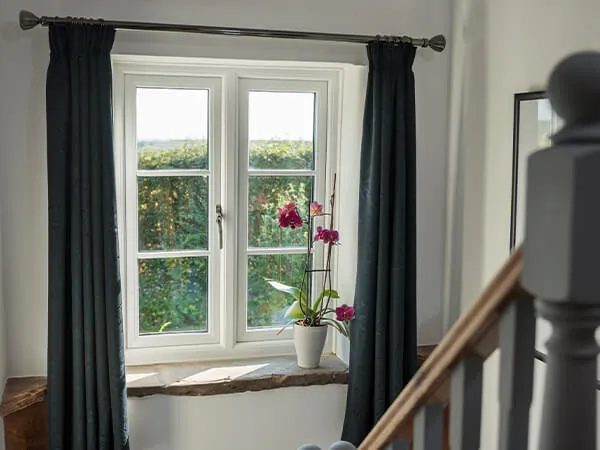
Old favourites such as the Sash Window and Casement Window, sit alongside contemporary innovations including our latest flush range available in double glazing or triple glazing options.
Request your Free Window Quote
Simply fill in your details for your free, no obligation quotation, and click “Get Quote”
Want to speak with an Advisor? Give us a call on 01224 588944
Our friendly team will be pleased to help with any questions you may have.